Medical aesthetics combines comprehensive facial assessment with strategic use of botulinum toxin and dermal fillers to enhance natural beauty whilst maintaining facial harmony and individual character.
- Medical aesthetic treatment requires thorough facial anatomy assessment before any procedure
- Botulinum toxin addresses dynamic wrinkles by temporarily relaxing specific facial muscles
- Dermal fillers restore volume, enhance contours and improve skin quality through strategic placement
- Qualified aesthetic doctors create personalised treatment plans based on individual facial structure and goals
- Natural-looking results depend on understanding facial proportions, symmetry and how treatments interact
Medical aesthetic treatment begins with a comprehensive facial assessment where qualified doctors analyse facial anatomy, skin quality, muscle movement and ageing patterns. This assessment informs a personalised treatment plan combining botulinum toxin for dynamic lines and dermal fillers for volume restoration, ensuring natural-looking results tailored to individual facial structure.
Medical aesthetic treatment represents a sophisticated blend of clinical expertise, anatomical knowledge, and artistic sensibility. Unlike quick-fix cosmetic solutions, the medical approach begins with thorough assessment and personalised planning before any treatment occurs. This methodology ensures that interventions address your unique facial structure, ageing patterns, and aesthetic goals whilst maintaining natural appearance and facial character.
The foundation of successful aesthetic treatment lies in understanding facial anatomy, recognising how ageing affects different facial layers, and knowing which interventions will achieve harmonious results. Qualified aesthetic doctors spend considerable time analysing facial proportions, muscle movement patterns, volume distribution, and skin quality before recommending specific treatments. This comprehensive evaluation distinguishes medical aesthetics from transactional cosmetic services.
Botulinum toxin and dermal fillers represent the cornerstone treatments in medical aesthetics, yet they function through entirely different mechanisms and address distinct aspects of facial ageing. Botulinum toxin temporarily relaxes specific muscles to soften dynamic lines created by repeated facial expressions. Dermal fillers restore lost volume, enhance facial contours, and improve skin quality through strategic placement beneath the skin surface. Understanding how these treatments work, when each is appropriate, and how they complement one another enables informed decisions about your aesthetic journey.
This article explores the medical aesthetic approach from initial assessment through treatment selection, explaining the science behind botulinum toxin and dermal fillers, the treatment process, expected outcomes, and how qualified practitioners achieve natural-looking results. Whether you are considering your first aesthetic treatment or seeking to understand how different interventions work together, this comprehensive guide provides the knowledge needed to approach aesthetic medicine with confidence.
Understanding the Medical Aesthetic Approach
What Distinguishes Medical from Cosmetic Aesthetics
Medical aesthetics operates within a clinical framework where treatments are prescribed based on thorough assessment rather than simply requested and delivered. This approach requires understanding facial anatomy, ageing physiology, product pharmacology, and potential complications. Qualified aesthetic doctors apply medical training to cosmetic concerns, ensuring treatments enhance appearance whilst prioritising patient safety and wellbeing.
The medical model emphasises individualised treatment plans rather than standardised protocols. Your facial structure, ageing patterns, skin type, medical history, and aesthetic goals all influence treatment recommendations. This personalised approach recognises that identical treatments produce different results in different individuals, and that optimal outcomes require tailoring interventions to your unique characteristics.
Medical aesthetics also incorporates evidence-based practice, where treatment decisions reflect current research, clinical experience, and established safety protocols. Practitioners stay informed about product developments, injection techniques, complication management, and emerging best practices through ongoing professional development. This commitment to continuous learning ensures patients receive care aligned with current medical standards.
The Role of Qualified Aesthetic Doctors
Aesthetic doctors bring medical training, anatomical knowledge, and clinical judgement to cosmetic treatments. Their medical background enables them to assess suitability, identify contraindications, manage complications, and integrate aesthetic treatments within your broader health context. This medical foundation proves essential when addressing complex cases, treating sensitive areas, or managing unexpected responses.
Qualified practitioners understand facial anatomy in three dimensions, including the relationship between skin, fat compartments, muscles, blood vessels, and nerves. This knowledge informs strategic treatment placement, appropriate product selection, and safe injection techniques. Understanding what lies beneath the skin surface distinguishes medical practitioners from those with purely cosmetic training.
Professional aesthetic doctors also recognise their limitations and refer patients when appropriate. Not every concern suits injectable treatment, and some patients benefit from alternative interventions or specialist consultation. This professional integrity ensures you receive honest advice about what treatments can realistically achieve and when other approaches might serve you better.
Evidence-Based Treatment Philosophy
Evidence-based aesthetic medicine combines clinical research, practitioner experience, and patient preferences to guide treatment decisions. This approach values scientific evidence whilst acknowledging that aesthetic outcomes involve subjective elements that pure data cannot capture. Research informs our understanding of product safety, efficacy, longevity, and complication rates, providing a foundation for treatment recommendations.
Clinical experience complements research evidence, as practitioners observe how treatments perform across diverse patients in real-world settings. This accumulated experience reveals nuances about product behaviour, individual variation, and technique refinement that controlled studies may not capture. Experienced practitioners develop clinical judgement that guides treatment adjustments based on individual patient characteristics.
Patient preferences complete the evidence-based triad, recognising that aesthetic goals reflect personal values, cultural context, and individual definitions of beauty. Your preferences guide treatment planning, even when multiple evidence-supported options exist. This patient-centred approach ensures treatments align with your vision whilst remaining grounded in medical safety and realistic expectations.
The Comprehensive Facial Aesthetic Assessment
Facial Anatomy Analysis and Proportions
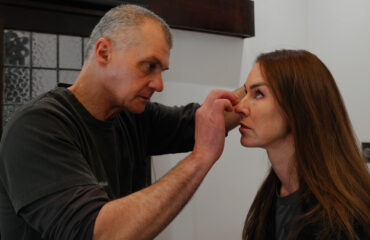
Comprehensive facial assessment begins with analysing your bone structure, facial proportions, and symmetry. Aesthetic doctors evaluate facial thirds (forehead to brows, brows to nose base, nose base to chin), facial fifths (face width divided into five equal sections), and the relationship between facial features. These proportions influence treatment planning, as enhancing one area affects the balance of surrounding features.
Bone structure provides the foundation upon which soft tissues rest. Changes in bone prominence, jawline definition, and cheekbone projection occur with ageing and influence how volume loss manifests. Understanding your underlying skeletal framework helps practitioners predict how treatments will integrate with your existing structure and which areas require enhancement to restore or create harmonious proportions.
Facial symmetry assessment identifies differences between the left and right sides of your face. Whilst perfect symmetry rarely exists and slight asymmetry appears natural, significant differences may require adjusted treatment approaches for each side. Recognising pre-existing asymmetry also helps set realistic expectations, as treatments can improve but rarely create perfect symmetry.
Skin Quality and Ageing Pattern Evaluation
Skin quality assessment examines texture, tone, elasticity, hydration, and visible ageing signs. These factors influence treatment selection, as certain products and techniques address specific skin concerns more effectively. Skin with good elasticity responds differently to volume restoration than skin with significant laxity, affecting product choice and placement strategy.
Ageing patterns vary considerably between individuals based on genetics, sun exposure, lifestyle factors, and facial expression habits. Some patients develop primarily dynamic lines from muscle movement, whilst others experience predominantly volume loss or skin quality changes. Identifying your dominant ageing pattern enables targeted treatment that addresses your specific concerns rather than applying generic protocols.
Skin thickness and tissue density also affect treatment planning. Thicker skin may require different product viscosity or placement depth compared to thinner, more delicate skin. The skin around your eyes differs markedly from cheek skin, requiring adjusted techniques and products for each area. This detailed assessment ensures treatments suit your specific tissue characteristics.
Muscle Movement and Dynamic Expression Assessment
Observing how your facial muscles move during expression reveals which muscles contribute to dynamic lines and where botulinum toxin treatment might prove beneficial. Your aesthetic doctor will ask you to smile, frown, raise your eyebrows, and make various expressions whilst noting muscle recruitment patterns, strength, and resulting lines.
Some individuals have particularly strong facial muscles that create deep expression lines, whilst others show minimal dynamic wrinkling. Muscle strength influences botulinum toxin dosing requirements and treatment frequency. Understanding your specific movement patterns enables precise targeting of muscles contributing to unwanted lines whilst preserving natural expression.
Expression habits also inform treatment planning. If you habitually furrow your brow when concentrating or squint when reading, these patterns contribute to line formation. Identifying these habits allows your doctor to address the primary contributors to your concerns and discuss how treatments can soften these patterns whilst maintaining your ability to express emotion naturally.
Volume Loss and Structural Changes
Age-related volume loss occurs in predictable patterns, affecting fat compartments, bone, and soft tissue. Assessing where you have experienced volume depletion helps determine which areas require filler treatment and how much volume restoration will achieve natural-looking results. Volume loss in the temples, cheeks, and jawline significantly impacts facial appearance and often benefits from strategic filler placement.
The relationship between volume loss and skin laxity also influences treatment planning. Volume restoration can improve mild skin laxity by providing internal support, but significant laxity may require alternative or additional interventions. Your aesthetic doctor assesses whether your concerns stem primarily from volume loss, skin laxity, or both, ensuring treatments address the underlying cause.
Three-dimensional facial assessment considers how volume changes affect facial contours from multiple angles. What appears adequate from the front may show hollowing in profile, or vice versa. Comprehensive evaluation from various perspectives ensures treatment plans address your appearance holistically rather than focusing solely on frontal view concerns.
Creating Your Personalised Aesthetic Treatment Plan
Setting Realistic Treatment Goals
Effective treatment planning begins with discussing your aesthetic goals, concerns, and expectations. Your aesthetic doctor will explore what specifically bothers you about your appearance, what you hope to achieve through treatment, and whether your expectations align with what treatments can realistically deliver. This conversation establishes shared understanding and prevents disappointment from unrealistic expectations.
Realistic goals acknowledge that aesthetic treatments enhance your natural features rather than transforming you into someone else. Treatments can soften lines, restore volume, improve symmetry, and create more youthful contours, but they cannot change your fundamental facial structure or make you look like a different person. Setting achievable goals ensures satisfaction with outcomes.
Your lifestyle, budget, and maintenance commitment also influence goal setting. Some aesthetic goals require ongoing treatment, multiple sessions, or combination approaches. Discussing these practical considerations upfront ensures your treatment plan remains sustainable and aligned with your resources. Realistic planning considers both immediate outcomes and long-term maintenance requirements.
Prioritising Treatment Areas
When multiple concerns exist, prioritising treatment areas ensures optimal resource allocation and progressive improvement. Your aesthetic doctor will recommend which areas to address first based on factors including severity of concern, impact on overall appearance, treatment interdependencies, and your priorities. Strategic sequencing often produces better results than attempting to address everything simultaneously.
Foundational treatments that improve facial structure typically take priority over superficial refinements. Restoring midface volume, for example, may reduce the appearance of nasolabial folds, potentially eliminating or reducing the need for direct fold treatment. This structural approach addresses underlying causes rather than merely treating visible symptoms.
Budget considerations also influence prioritisation. Your aesthetic doctor can suggest phased treatment approaches that spread investment over time whilst still achieving progressive improvement. This staged methodology allows you to experience results, assess satisfaction, and continue treatment at a comfortable pace rather than feeling pressured to complete everything immediately.
Staged Treatment Approach
Staged treatment involves addressing aesthetic concerns progressively over multiple sessions rather than attempting comprehensive correction in one appointment. This approach offers several advantages, including allowing tissues to settle between treatments, enabling assessment of individual treatment responses, and providing opportunities to adjust the plan based on evolving results.
Initial treatments often focus on establishing foundation and observing how your tissues respond to products. Some individuals metabolise products quickly, experience more swelling, or show different longevity than average. Understanding your individual response patterns enables refinement of subsequent treatments for optimal outcomes.
Staged approaches also feel less overwhelming for patients new to aesthetic treatments. Beginning conservatively allows you to experience treatments gradually, adjust to changes in your appearance, and build confidence in the process. This measured approach often produces more natural-looking results than aggressive initial treatment.
Combining Treatments for Optimal Results
Many patients achieve optimal results through combining botulinum toxin and dermal fillers, as these treatments address different aspects of facial ageing. Botulinum toxin softens dynamic lines whilst fillers restore volume and enhance contours. Used together, they create comprehensive facial rejuvenation that addresses both movement-related and structural concerns.
Treatment combinations require careful planning to ensure products complement rather than interfere with one another. Your aesthetic doctor considers how treating one area affects surrounding regions and sequences treatments appropriately. Sometimes botulinum toxin precedes filler treatment, whilst other situations benefit from the reverse sequence or simultaneous administration.
Skin treatments such as chemical peels or microneedling may also integrate into your aesthetic plan, addressing skin quality concerns that injectables alone cannot resolve. This comprehensive approach recognises that optimal facial rejuvenation often requires multiple modalities targeting different tissue layers and ageing mechanisms.
Botulinum Toxin Treatment Explained
How Botulinum Toxin Works
Botulinum toxin temporarily blocks nerve signals to specific facial muscles, causing controlled relaxation that reduces muscle contraction intensity. When muscles contract less forcefully, the skin above them creases less deeply, softening the appearance of expression lines. This mechanism addresses dynamic wrinkles caused by repeated facial movements rather than static lines visible at rest.
The blocking effect develops gradually over several days as the toxin binds to nerve endings and prevents release of acetylcholine, the neurotransmitter that signals muscle contraction. Maximum effect typically occurs within two weeks of treatment, though some individuals notice changes earlier. The effect remains temporary because the body gradually produces new nerve endings that restore muscle function.
Treatment requires precise dosing and strategic placement to relax targeted muscles whilst preserving natural expression. Aesthetic doctors consider your facial anatomy, muscle strength, and desired outcomes when determining appropriate units and injection sites. This customised approach ensures effective line softening without creating frozen or unnatural appearance.
Common Treatment Areas and Applications
The forehead represents one of the most common botulinum toxin treatment areas, addressing horizontal lines that form when raising eyebrows. Treatment relaxes the frontalis muscle responsible for these lines whilst maintaining some movement for natural expression. Proper forehead treatment also considers the relationship with brow position, as excessive relaxation can cause brow descent.
Frown lines between the eyebrows result from corrugator and procerus muscle activity. These vertical lines often create an angry or concerned appearance even when you feel relaxed. Botulinum toxin effectively softens these lines, creating a more approachable and rested appearance. This area typically responds particularly well to treatment.
Crow’s feet around the eyes develop from orbicularis oculi muscle contraction during smiling and squinting. Treatment softens these lines whilst preserving smile expression. Other treatment areas include bunny lines on the nose, gummy smile correction, chin dimpling, neck bands, and jawline contouring. Each application requires specific technique and anatomical knowledge for safe, effective results.
Treatment Process and Timeline
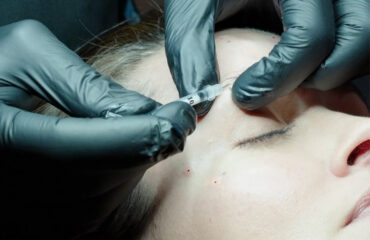
Botulinum toxin treatment typically takes 15 to 30 minutes, depending on the number of areas treated. Your aesthetic doctor cleanses the treatment areas, marks injection points, and administers small amounts of product using fine needles. Most patients describe the sensation as brief pinching or stinging. Ice or numbing cream may be applied for comfort, though many patients require no anaesthesia.
Immediately following treatment, you can resume normal activities with minor restrictions. Avoid rubbing treated areas, lying down, or engaging in vigorous exercise for several hours to prevent product migration. Small bumps or mild redness at injection sites typically resolve within hours. Following post-treatment instructions optimises results and minimises potential complications.
Initial effects become noticeable within three to five days, with full results developing over two weeks. Your aesthetic doctor may schedule a review appointment after two weeks to assess results and make any necessary adjustments. Some areas may require slight dosage modifications to achieve optimal outcomes, particularly during initial treatments as your doctor learns your individual response patterns.
Expected Results and Duration
Botulinum toxin results generally last three to four months, though individual variation occurs. Factors affecting duration include metabolism, muscle strength, treatment area, dosage, and individual product response. Some patients experience longer-lasting results with regular treatment, as consistently relaxed muscles may develop less strength over time.
Results appear as softened lines during facial expression rather than complete line elimination. Static lines present at rest may improve partially but often require additional interventions such as dermal fillers or skin treatments for complete correction. Setting realistic expectations about what botulinum toxin can achieve prevents disappointment and ensures satisfaction with outcomes.
Maintenance treatments every three to four months sustain results. Some patients extend intervals slightly between treatments, though allowing complete product wear-off may result in lines returning to pre-treatment appearance. Regular maintenance often proves more effective than sporadic treatment, as consistently relaxed muscles prevent deep line formation.
Safety Considerations and Contraindications
Botulinum toxin has an excellent safety profile when administered by qualified practitioners using approved products. Temporary side effects may include mild bruising, headache, or temporary weakness of nearby muscles if product spreads beyond intended areas. Serious complications remain rare but can occur, emphasising the importance of choosing experienced practitioners who understand facial anatomy.
Contraindications include pregnancy, breastfeeding, certain neuromuscular disorders, and allergies to product components. Some medications may increase bruising risk or interact with botulinum toxin. Your aesthetic doctor reviews your medical history, current medications, and any previous aesthetic treatments to ensure suitability and safety.
Choosing approved products from reputable manufacturers ensures quality and safety. Counterfeit or non-approved products pose significant risks and may produce unpredictable results. Qualified practitioners use only regulated medical grade products obtained through legitimate pharmaceutical channels, maintaining product integrity through proper storage and handling.
Dermal Filler Treatment Explained
Understanding Medical Grade Fillers
Medical grade dermal fillers consist primarily of hyaluronic acid, a substance naturally present in skin that attracts and retains moisture. These products restore volume, enhance contours, and improve skin quality through strategic placement beneath the skin surface. Hyaluronic acid fillers offer the advantage of reversibility, as an enzyme called hyaluronidase can dissolve the product if needed.
Filler products vary in viscosity, particle size, and cross-linking density, making different formulations suitable for specific applications. Thicker, more robust fillers provide structural support for areas like cheeks and jawline, whilst softer, more fluid products suit delicate areas such as under-eyes or lips. Product selection requires understanding facial anatomy and matching filler properties to treatment goals.
Medical grade fillers undergo rigorous testing for safety, efficacy, and longevity. These products are manufactured under pharmaceutical standards, ensuring consistency, purity, and predictable results. Approved fillers have established safety profiles based on extensive clinical use, providing reassurance about their performance and complication rates.
Different Filler Types and Properties
Volumising fillers provide structural support and restore lost facial volume in areas such as cheeks, temples, and jawline. These robust products integrate into deeper tissue layers, lifting and supporting overlying structures. Their cohesive properties enable them to maintain position and create defined contours that enhance facial architecture.
Contouring fillers offer moderate viscosity suitable for defining features such as chin projection, nose refinement, or lip border definition. These versatile products balance structure with blendability, creating natural-looking enhancement without excessive rigidity. Their properties suit areas requiring both support and smooth integration with surrounding tissues.
Fine line fillers feature softer consistency for superficial placement in delicate areas or for addressing fine lines. These products blend seamlessly into tissue, creating subtle smoothing without visible lumps or irregularities. Their hydrating properties also improve skin quality beyond simple volume restoration.
Strategic Placement for Natural Results
Strategic filler placement focuses on restoring facial structure and support rather than simply filling individual lines or wrinkles. This structural approach addresses underlying volume loss that contributes to multiple visible ageing signs. Treating the cause rather than symptoms often produces more natural, comprehensive improvement.
Layered injection techniques place filler at varying depths to achieve optimal results. Deep placement provides structural support, mid-depth placement restores volume, and superficial placement addresses fine details. This three-dimensional approach creates natural-looking enhancement that integrates seamlessly with your facial anatomy.
Injection technique significantly influences results. Aesthetic doctors use various methods including linear threading, fanning, cross-hatching, and bolus placement depending on the treatment area and desired outcome. Proper technique ensures smooth product distribution, minimises complications, and creates results that look natural from all angles.
Full Face Filler Approach
Full face filler treatment addresses facial ageing comprehensively rather than focusing on isolated concerns. This approach recognises that facial ageing involves multiple areas simultaneously and that treating the face holistically produces more balanced, natural-looking results than spot-treating individual features.
The full face approach typically begins with restoring midface volume, as this area significantly impacts overall facial appearance. Cheek enhancement provides lift that can improve nasolabial folds, marionette lines, and jowling without directly treating these areas. This foundational treatment creates the structure upon which other enhancements build.
Additional areas may include temples, jawline, chin, lips, and tear troughs, depending on individual assessment. The full face approach does not necessarily mean treating every area in one session, but rather developing a comprehensive plan that addresses your face as an integrated whole. This methodology creates harmonious results where all features work together aesthetically.
Lip Filler Treatment Considerations
Lip filler requires particular skill and restraint to achieve natural-looking enhancement. The goal typically involves improving lip shape, symmetry, and proportion rather than simply increasing size. Considerations include the relationship between upper and lower lip volume, cupid’s bow definition, vermillion border clarity, and lip projection.
Natural-looking lip enhancement respects your existing lip anatomy and facial proportions. Overfilled lips appear disproportionate to surrounding features and create an obviously treated appearance. Conservative treatment that enhances your natural lip characteristics typically produces the most aesthetically pleasing and age-appropriate results.
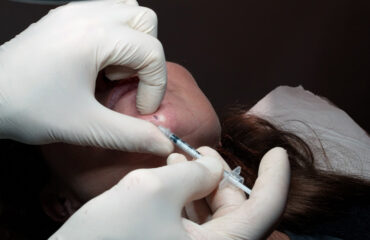
Lip filler placement involves multiple injection points and techniques to distribute product evenly and create desired shape. Treatment may address the body of the lip, vermillion border, or specific areas requiring correction. Proper technique minimises discomfort, reduces swelling, and creates smooth, natural-looking results that enhance rather than overwhelm your facial features.
Treatment Process and Recovery
Dermal filler treatment duration varies based on the number of areas treated, typically ranging from 30 minutes to an hour. Your aesthetic doctor cleanses treatment areas, may apply numbing cream, and administers filler through fine needles or cannulas. Most medical grade fillers contain local anaesthetic to improve comfort during injection.
Immediately following treatment, you may notice swelling, redness, or minor bruising at injection sites. These effects typically resolve within several days to a week. Ice application, arnica supplements, and avoiding blood-thinning substances can minimise swelling and bruising. Most patients resume normal activities immediately, though strenuous exercise should be avoided for 24 to 48 hours.
Results are visible immediately, though initial swelling may obscure the final outcome. Results continue to improve over two weeks as swelling subsides and product settles naturally. Your aesthetic doctor schedules a review appointment to assess outcomes and make any necessary adjustments. Minor refinements can be performed if needed to optimise results.
Achieving Natural-Looking Aesthetic Results
The Art of Facial Balance and Harmony
Natural-looking aesthetic results prioritise facial balance and harmony over isolated feature enhancement. This philosophy recognises that beauty emerges from proportionate relationships between features rather than perfection of individual elements. Treatment planning considers how enhancing one area affects the visual balance of surrounding features.
Facial harmony involves both horizontal and vertical proportions. The relationship between facial thirds, the balance between facial width and height, and the proportions between individual features all contribute to aesthetic appeal. Treatments that improve these proportional relationships typically produce more satisfying results than those that disregard facial balance.
Symmetry contributes to facial harmony, though perfect symmetry rarely exists naturally and may appear artificial. Subtle asymmetry adds character and individuality to your appearance. Aesthetic treatments aim to improve significant asymmetries that detract from overall harmony whilst preserving the slight variations that make your face uniquely yours.
Avoiding Over-Treatment
Over-treatment represents one of the most common pitfalls in aesthetic medicine, creating an obviously treated appearance that lacks natural character. This typically results from excessive product volume, treating too many areas simultaneously, or pursuing unrealistic aesthetic ideals. Conservative treatment that enhances rather than transforms generally produces the most aesthetically pleasing results.
The principle of gradual enhancement suggests that multiple conservative treatments over time produce better results than aggressive initial treatment. This approach allows tissues to adapt, enables assessment of individual response, and prevents the overfilled appearance that can occur when too much product is placed at once.
Regular patients sometimes develop tolerance to their enhanced appearance and request progressively more treatment. Objective assessment by your aesthetic doctor helps prevent gradual over-treatment by maintaining perspective on appropriate enhancement levels. Honest communication between patient and practitioner proves essential for avoiding the incremental over-treatment that can develop over time.
Maintaining Individual Character
Successful aesthetic treatment enhances your natural features whilst preserving the characteristics that make you recognisably yourself. The goal involves looking like a refreshed, rejuvenated version of yourself rather than a different person. Treatment should not erase all signs of life experience or create generic features that could belong to anyone.
Facial character emerges from your unique combination of features, proportions, and expressions. Whilst treatments can soften ageing signs, they should not eliminate the personality and warmth that facial movement conveys. Maintaining natural expression, preserving ethnic features, and respecting your individual aesthetic preferences ensures results that feel authentic to you.
Age-appropriate treatment considers your life stage and aims for results that appear natural for your age. Attempting to achieve the facial appearance of someone decades younger typically produces artificial results. Instead, treatments should help you look like the best version of yourself at your current age, refreshed and rejuvenated but not unnaturally youthful.
Understanding Before and After Expectations
Realistic before and after expectations recognise that aesthetic treatments produce enhancement rather than perfection. Photographs can help illustrate potential outcomes, though individual results vary based on your unique facial structure, skin quality, and healing response. Understanding what treatments can realistically achieve prevents disappointment and ensures satisfaction with results.
The timing of before and after assessment matters. Immediate post-treatment appearance often includes swelling that obscures final results. Proper evaluation occurs after healing completes, typically two weeks following treatment. Comparing results to pre-treatment photographs provides objective assessment of improvement.
Lighting, angles, and facial expressions significantly affect before and after photographs. Professional treatment photographs use consistent lighting and positioning to enable accurate comparison. Understanding these factors helps you interpret before and after images realistically and recognise that results may appear different in various lighting conditions and settings.
Safety and Professional Standards in Medical Aesthetics
Choosing a Qualified Aesthetic Doctor
Selecting a qualified aesthetic practitioner represents the most important decision affecting your treatment safety and outcomes. Your aesthetic doctor should hold a medical degree, have specialised training in aesthetic medicine, and maintain registration with the Health Professions Council of South Africa. These credentials ensure appropriate medical background and accountability to professional standards.
Specialised aesthetic training beyond basic medical education demonstrates commitment to the field and understanding of advanced techniques. Look for practitioners who regularly attend professional development courses, stay current with emerging techniques and products, and participate in professional aesthetic medicine organisations. This ongoing education ensures your doctor maintains contemporary knowledge and skills.
Experience matters significantly in aesthetic medicine, as skill develops through treating diverse patients and managing various scenarios. Ask about your practitioner’s experience with specific treatments, how they handle complications, and their philosophy regarding natural-looking results. A practitioner’s portfolio and patient testimonials provide insight into their aesthetic sensibility and consistency of outcomes.
Safety Protocols and Standards
Reputable aesthetic practices maintain rigorous safety protocols including proper patient assessment, informed consent, sterile technique, emergency preparedness, and appropriate follow-up care. These standards protect patient safety and ensure quality outcomes. Your aesthetic doctor should conduct thorough medical history review, discuss potential risks, and answer all questions before proceeding with treatment.
Product authenticity and proper handling represent critical safety considerations. Qualified practitioners use only approved medical grade products obtained through legitimate pharmaceutical channels. Products require proper storage, handling, and documentation to maintain integrity and traceability. Never accept treatment with products of unknown origin or questionable authenticity.
Emergency preparedness ensures that practitioners can manage potential complications appropriately. Aesthetic clinics should maintain emergency medications, have protocols for managing adverse events, and know when to refer patients for specialist care. This preparedness provides reassurance that your practitioner can handle unexpected situations professionally.
Managing Potential Risks and Complications
Whilst aesthetic treatments generally prove safe when performed by qualified practitioners, potential risks exist. Common minor side effects include temporary swelling, bruising, redness, or tenderness at injection sites. These typically resolve within days to a week and rarely interfere significantly with daily activities.
More serious complications, though rare, can include infection, allergic reactions, vascular compromise, or product migration. Qualified practitioners recognise early signs of complications and intervene promptly to prevent serious consequences. Understanding warning signs and knowing when to contact your practitioner ensures appropriate management if concerns arise.
Complication management requires medical knowledge, clinical judgement, and access to appropriate interventions. This represents another reason why choosing medically qualified practitioners proves essential. Aesthetic doctors can prescribe medications, perform medical procedures, and coordinate specialist referrals if complications occur, ensuring comprehensive care throughout your treatment journey.
Medical Aesthetics in South Africa
South Africa’s aesthetic medicine landscape includes highly qualified practitioners offering advanced treatments using international standard products and techniques. However, the field remains relatively unregulated compared to other medical specialties, making careful practitioner selection particularly important. Patients bear responsibility for verifying practitioner credentials and ensuring they receive care from appropriately qualified professionals.
The Health Professions Council of South Africa regulates medical practitioners, providing a framework for professional accountability. Verify that your aesthetic doctor maintains current registration and has no disciplinary actions or restrictions on their practice. This verification provides assurance of professional standing and accountability to regulatory oversight.
South African aesthetic practices increasingly adopt international best practices and safety standards. Many practitioners maintain international professional memberships, attend global conferences, and participate in multinational training programmes. This international engagement ensures South African patients access world-class aesthetic care aligned with global safety and quality standards.
Your Journey: From Consultation to Results
Preparing for Your Aesthetic Medicine Consultation
Preparing for your aesthetic consultation involves considering your goals, gathering relevant medical information, and developing questions for your practitioner. Reflect on what specifically concerns you about your appearance, what you hope to achieve through treatment, and what results would make you feel satisfied. Clear goals facilitate productive consultation discussions.
Compile your medical history including current medications, supplements, previous aesthetic treatments, allergies, and relevant medical conditions. This information enables your aesthetic doctor to assess treatment suitability and identify potential contraindications. Honesty about previous treatments, even if performed elsewhere, helps your doctor understand your treatment history and plan appropriately.
Research basic information about treatments you are considering so you can ask informed questions during consultation. However, remain open to your practitioner’s recommendations, as their assessment may reveal that different treatments would better address your concerns. Balance between being informed and remaining receptive to professional guidance typically produces the best outcomes.
What to Expect During Treatment
Treatment appointments begin with reviewing your treatment plan, confirming consent, and addressing any final questions. Your aesthetic doctor cleanses treatment areas and may apply numbing cream if appropriate. The treatment itself typically takes 15 minutes to an hour depending on areas treated and procedures performed.
During injection, you may feel pressure, pinching, or mild stinging. Most patients tolerate treatment well, and discomfort remains brief. Your practitioner will check in regularly regarding comfort and can adjust technique or provide additional numbing if needed. Communication during treatment ensures your comfort and enables your doctor to respond to your feedback.
Immediately following treatment, your practitioner reviews post-treatment instructions, discusses what to expect during healing, and schedules follow-up appointments. You receive contact information for questions or concerns that arise after leaving the clinic. This support ensures you feel confident managing your recovery and know when to seek guidance.
Post-Treatment Care and Follow-Up
Post-treatment care optimises results and minimises potential complications. Instructions typically include avoiding rubbing treated areas, limiting strenuous exercise for 24 to 48 hours, staying hydrated, and avoiding excessive heat or alcohol. Following these guidelines supports proper healing and product integration.
Expect some swelling, redness, or minor bruising following treatment. These effects vary between individuals and treatment areas but generally resolve within several days to a week. Ice application, sleeping with head elevated, and arnica supplements can help minimise swelling. Contact your practitioner if you experience severe pain, vision changes, skin colour changes, or other concerning symptoms.
Follow-up appointments typically occur two weeks after treatment to assess results and make any necessary adjustments. These reviews provide opportunity to discuss your satisfaction with outcomes, address any concerns, and plan future treatments if desired. Regular follow-up demonstrates your practitioner’s commitment to your results and ensures any issues receive prompt attention.
Long-Term Maintenance and Planning
Maintaining aesthetic results requires ongoing treatment, as both botulinum toxin and dermal fillers provide temporary effects. Developing a maintenance schedule helps sustain results and prevents complete return to pre-treatment appearance. Your aesthetic doctor can recommend appropriate treatment intervals based on your individual product longevity and aesthetic goals.
Long-term planning considers how your aesthetic needs may evolve over time. Ageing continues despite treatment, and your goals may shift as your appearance changes. Regular consultations enable adjustment of your treatment plan to address emerging concerns and ensure ongoing satisfaction with your appearance.
The relationship between patient and aesthetic practitioner often extends over years, enabling your doctor to understand your preferences, track your treatment history, and provide increasingly personalised care. This continuity of care typically produces better long-term results than sporadic treatment with multiple different practitioners.
Frequently Asked Questions
How long does a full face medical aesthetic assessment take?
A comprehensive facial aesthetic assessment typically takes 30 to 45 minutes. During this time, your aesthetic doctor examines facial anatomy, discusses your concerns and goals, reviews medical history, and develops a personalised treatment plan. This thorough approach ensures treatments are tailored to your individual facial structure and desired outcomes.
What is the difference between botulinum toxin and dermal fillers?
Botulinum toxin temporarily relaxes muscles to reduce dynamic wrinkles caused by facial expressions, such as frown lines and crow’s feet. Dermal fillers restore lost volume, enhance facial contours, and improve skin quality by adding substance beneath the skin. Many patients benefit from both treatments addressing different aspects of facial ageing.
How long do botulinum toxin results typically last?
Results from botulinum toxin treatment generally last between three to four months, though individual variation occurs. Factors affecting duration include metabolism, muscle strength, treatment area, and dosage. Regular maintenance treatments help sustain results, and some patients find effects last longer with consistent treatment over time.
Are dermal filler treatments painful?
Most patients experience minimal discomfort during dermal filler treatment. Medical grade fillers often contain local anaesthetic, and additional numbing cream may be applied beforehand. Patients typically describe the sensation as brief pressure or pinching. Your aesthetic doctor can discuss comfort measures to ensure a tolerable experience.
How soon will I see results from filler treatment?
Dermal filler results are visible immediately after treatment, though initial swelling may affect the final appearance. Results continue to improve over the following two weeks as any swelling subsides and the product settles naturally. Your aesthetic doctor will schedule a review appointment to assess outcomes and make any necessary adjustments.
Can botulinum toxin and fillers be combined in one treatment session?
Yes, many patients receive both botulinum toxin and dermal fillers during the same appointment as part of a comprehensive facial rejuvenation approach. This combination addresses both dynamic wrinkles and volume loss effectively. Your aesthetic doctor will determine the optimal treatment sequence and timing based on your individual assessment and goals.
What makes medical grade fillers different from other products?
Medical grade fillers meet rigorous safety and quality standards, undergo extensive clinical testing, and are approved by regulatory authorities. These products are manufactured under strict pharmaceutical conditions, have predictable results, and are reversible if needed. Qualified aesthetic doctors use only approved medical grade products for patient safety.
How do I know if I am a suitable candidate for aesthetic treatments?
Suitability is determined during your comprehensive consultation with a qualified aesthetic doctor. Generally, healthy adults with realistic expectations make good candidates. Certain medical conditions, medications, allergies, or pregnancy may affect suitability. Your doctor will review your medical history, assess your facial structure, and discuss whether treatments align with your goals.
What qualifications should my aesthetic doctor have?
Your aesthetic doctor should hold a medical degree, have specialised training in aesthetic medicine, and maintain registration with the relevant medical council. Look for practitioners who undertake ongoing professional development, use approved products, follow safety protocols, and can demonstrate experience in facial anatomy and aesthetic treatments. Professional membership organisations indicate commitment to standards.
How much should I invest in medical aesthetic treatments?
Treatment investment varies based on individual needs, treatment areas, product type, and practitioner expertise. During your consultation, your aesthetic doctor will provide a detailed treatment plan with associated costs. Consider this an investment in your wellbeing, and prioritise qualified practitioners and approved products over lower-cost alternatives that may compromise safety or results.
Related Articles
- Medical vs Cosmetic Aesthetics: Understanding the Key Differences
– Related cluster article - The Importance of Facial Anatomy in Aesthetic Treatments: Why Expert Knowledge Matters
– Related cluster article