How Dermal Fillers Restore Facial Structure, Not Just Volume
Thursday, 25 June 2026
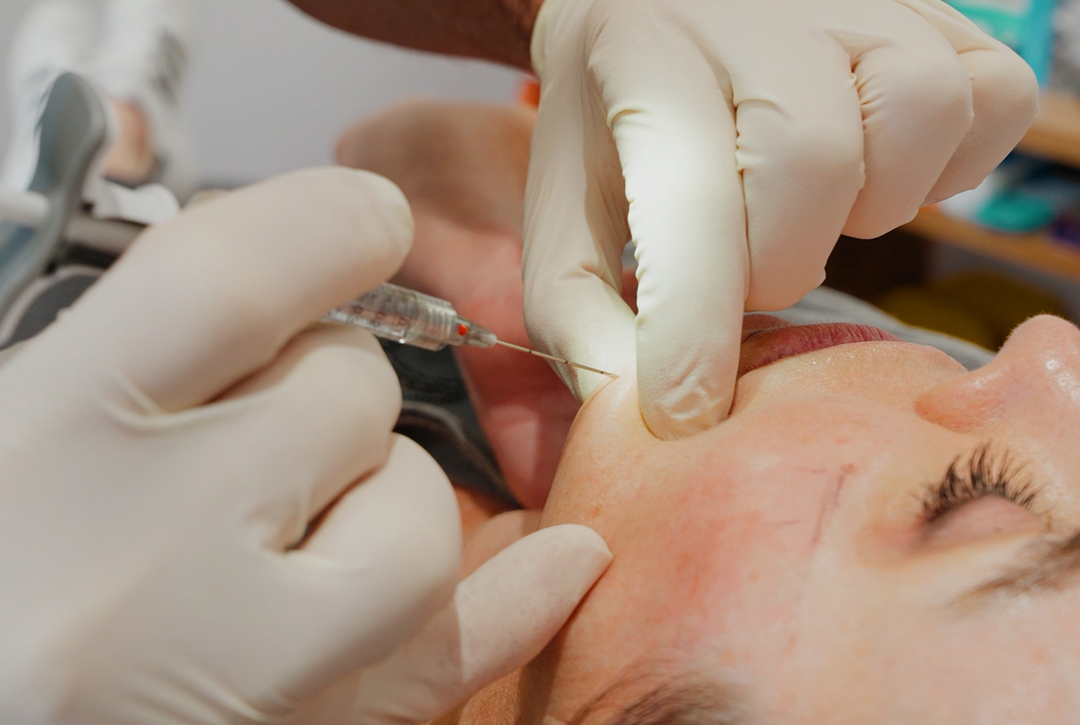
Dermal fillers restore facial structure by addressing the underlying causes of ageing: bone remodelling, fat pad migration, and soft tissue descent. Rather than simply adding volume, structural filler treatment repositions support, restores facial scaffolding, and creates natural enhancement that reflects how the face actually changes over time.
- Published in Dermal Fillers
No Comments
Realistic Expectations for Dermal Filler Results: What to Expect and When
Thursday, 25 June 2026
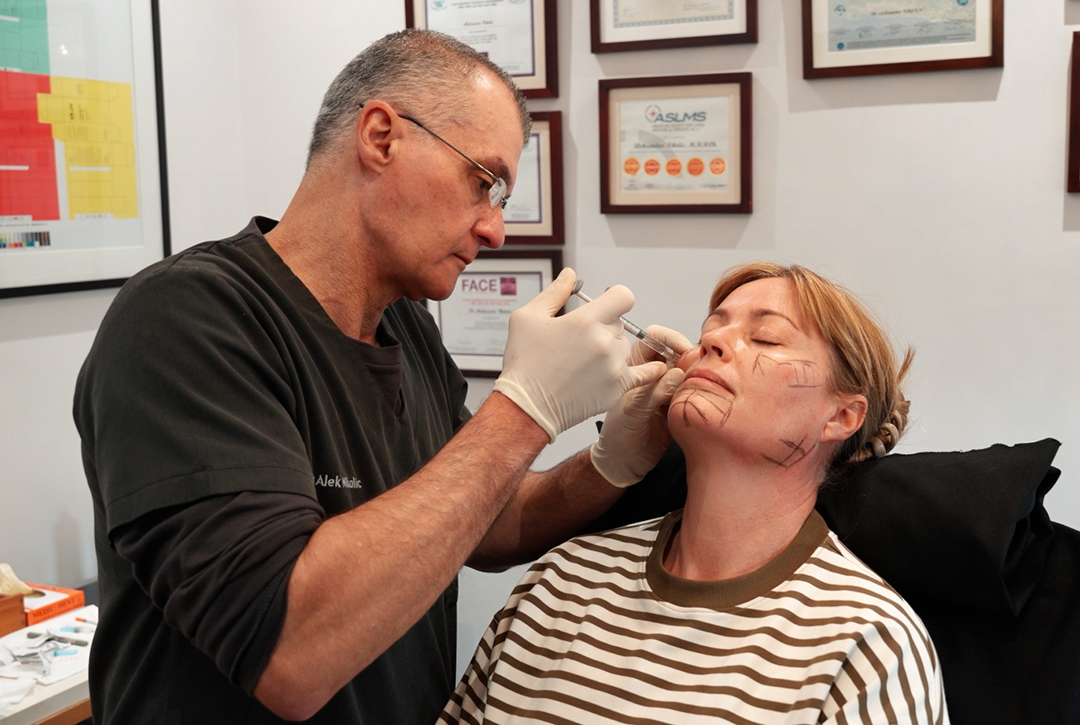
Dermal filler results typically emerge over two to four weeks as initial swelling settles and hyaluronic acid integrates with surrounding tissue. Longevity varies by treatment area, product choice, and individual metabolism, generally ranging from nine to eighteen months. Natural enhancement, not dramatic transformation, is the realistic and appropriate goal.
- Published in Dermal Fillers
Anatomy-Informed Assessment for Dermal Fillers: Why Your Face Is Unique
Thursday, 25 June 2026
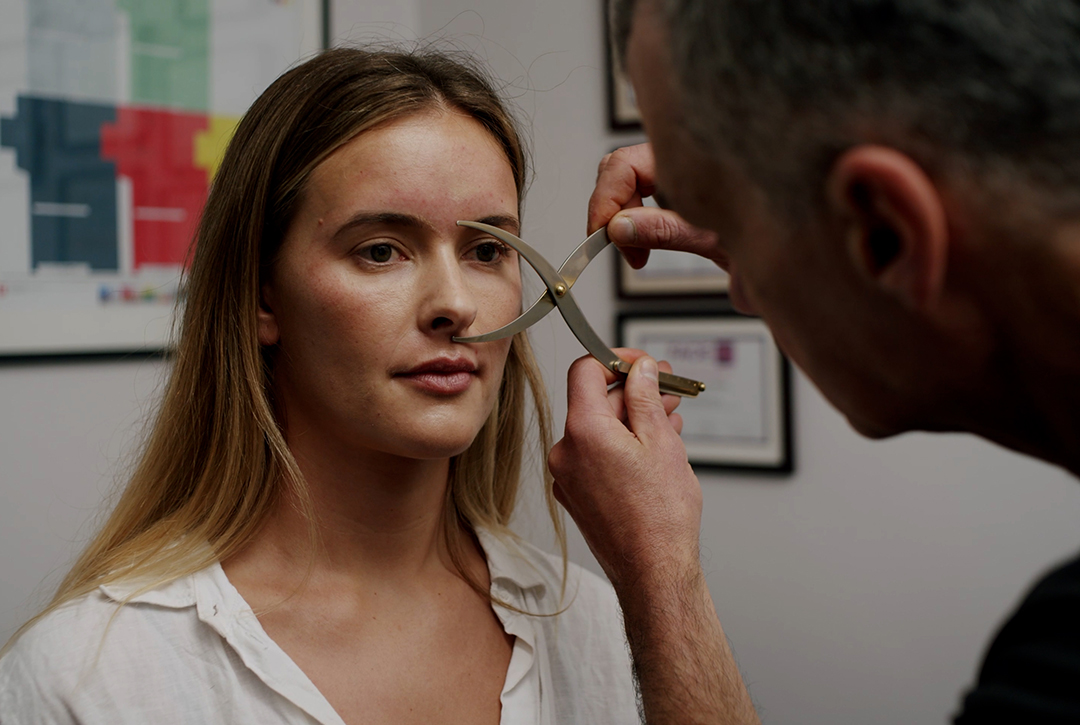
An anatomy-informed assessment for dermal fillers maps your individual facial structure, vascular anatomy, skin quality, and tissue layers before any treatment begins. This process identifies anatomical risk zones, guides safe injection depth and placement, and ensures that hyaluronic acid-based dermal fillers enhance your natural features rather than alter them unpredictably.
- Published in Dermal Fillers
How to Prepare for Tear Trough Filler and Reduce Bruising
Tuesday, 16 June 2026
To prepare for tear trough filler and reduce bruising, avoid blood-thinning medications, alcohol, and supplements such as fish oil, vitamin E, and aspirin for at least seven to ten days beforehand. Book your appointment at least three to four weeks before any major event to allow adequate time for swelling and bruising to resolve.
- Published in Dermal Fillers
Why Hyaluronic Acid Is the Preferred Choice for Tear Trough and Eye Rejuvenation
Tuesday, 16 June 2026
Hyaluronic acid is favoured for tear trough and eye rejuvenation because it occurs naturally in the body, attracts and retains moisture, integrates gently with delicate periorbital tissue, and can be dissolved with an enzyme called hyaluronidase if adjustment is needed. These properties make it uniquely suited to the under-eye area.
- Published in Dermal Fillers
Managing Tear Trough Filler Complications: Recognition, Treatment, and Prevention
Tuesday, 16 June 2026
Tear trough filler complications include the Tyndall effect (a bluish discolouration), persistent swelling, visible lumps, asymmetry, and, in rare cases, vascular occlusion. Most complications are manageable when identified early. Hyaluronic acid-based fillers can be dissolved with hyaluronidase, making prompt assessment by a medically qualified practitioner the most important first step.
- Published in Dermal Fillers
Understanding Under-Eye Hollows Before Considering Dermal Filler
Tuesday, 16 June 2026
Under-eye hollows form when volume is lost in the tear trough area, creating a shadowed depression between the lower eyelid and cheek. Dermal filler can address this, but suitability depends on skin quality, anatomy, and the underlying cause. A careful assessment should always precede treatment to ensure safety and appropriate outcomes.
- Published in Dermal Fillers
The Benefits of Combining Treatments in Winter: Strategic Protocols for Enhanced Outcomes
Wednesday, 13 May 2026
Combining aesthetic treatments during winter allows strategic sequencing with reduced sun exposure risk, enhanced healing between procedures, and comprehensive protocols addressing multiple skin concerns simultaneously. Winter's cooler temperatures and lower UV index create optimal conditions for layering treatments that would require extended separation during summer months.
- Published in Botox®, Dermal Fillers, Skin Treatments
The Medical Aesthetic Approach: Assessment, Botulinum Toxin and Filler Explained
Thursday, 30 April 2026
Medical aesthetic treatment begins with a comprehensive facial assessment where qualified doctors analyse facial anatomy, skin quality, muscle movement and ageing patterns. This assessment informs a personalised treatment plan combining botulinum toxin for dynamic lines and dermal fillers for volume restoration, ensuring natural-looking results tailored to individual facial structure.
The Best Age to Start Preventative Injectables: Evidence-Based Timing for Long-Term Results
Tuesday, 03 March 2026
The ideal age to start preventative injectables typically ranges from the mid-20s to early 30s, when dynamic wrinkles first become visible at rest. Rather than following a universal age recommendation, timing should be based on individual biological markers including muscle activity patterns, skin quality, genetic predisposition to volume loss, and lifestyle factors affecting collagen degradation.
- Published in Botulinum Toxin Type A, Dermal Fillers, Preventative Injectables
- 1
- 2


