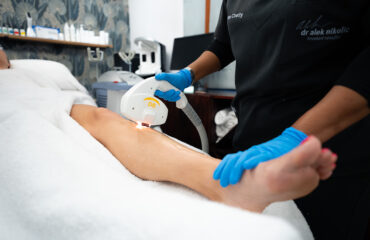
IPL treats pigmentation by delivering controlled light energy that targets and fragments melanin deposits, which the body then naturally eliminates, requiring multiple sessions for optimal clearance of sun damage and hyperpigmentation.
- IPL targets melanin using precise light wavelengths that fragment pigment clusters without damaging surrounding tissue
- Effective for sun spots, age spots, freckles, melasma (with careful patient selection), and post-inflammatory hyperpigmentation
- Most patients require 3-5 sessions spaced 4 weeks apart to achieve optimal pigmentation clearance
- Expect mild redness for 2-4 hours post-treatment and pigment darkening for 7-10 days before flaking off
- Results become visible 10-14 days after each session, with cumulative improvement building across the treatment series
IPL treats pigmentation by delivering specific wavelengths of light that target melanin clusters beneath the skin’s surface. The melanin absorbs this light energy, heats up, and fragments into smaller particles that the body naturally eliminates through the lymphatic system over 7-14 days, gradually lightening sun spots, age spots, and uneven skin tone.
Intense Pulsed Light (IPL) has become one of the most requested treatments for addressing unwanted pigmentation, yet many patients arrive at consultations uncertain about whether their specific concern is treatable. Understanding what IPL can and cannot address, how the technology actually works at a cellular level, and what the treatment journey looks like helps set realistic expectations and ensures you’re investing in the right solution for your skin. Unlike topical products that work slowly on the surface, IPL targets pigmentation at its source beneath the skin, making it particularly effective for certain types of discolouration. This is also why timing your treatment during winter months offers clinical advantages that significantly improve outcomes and reduce complications.
What IPL Actually Treats: Understanding Pigmentation Types and Candidacy
Not all pigmentation responds equally to IPL, and understanding the distinction between different types determines whether you’re a suitable candidate.
Epidermal vs Dermal Pigmentation: Why Depth Matters
Pigmentation exists at different depths within the skin, and this location fundamentally affects treatment success. Epidermal pigmentation sits in the uppermost layers of skin and appears as distinct, well-defined brown spots. These respond exceptionally well to IPL because the melanin is accessible to the light energy. Sun spots, age spots (solar lentigines), and freckles fall into this category.
Dermal pigmentation lies deeper in the skin’s dermis layer and often appears grey-blue rather than brown. Melasma frequently has both epidermal and dermal components, making it considerably more challenging to treat. The deeper the pigment, the more difficult it becomes for IPL to reach and fragment it effectively without affecting surrounding tissue.
Ideal Candidates: Sun Damage, Age Spots, and Freckles
IPL delivers outstanding results for patients with superficial pigmentation caused by cumulative sun exposure. Solar lentigines, commonly called age spots or liver spots, respond particularly well because they represent concentrated melanin deposits in the epidermis. These discrete brown patches on the face, hands, chest, and arms typically lighten dramatically after a series of treatments.
Freckles, which are genetic but darken with sun exposure, also respond well to IPL. However, it’s important to understand that whilst IPL can significantly reduce their appearance, new freckles may develop with future sun exposure because the genetic predisposition remains.
Patients with Fitzpatrick skin types I-III (fair to medium skin tones) are generally ideal candidates. The contrast between the pigmentation and surrounding skin allows the IPL device to target melanin precisely without excessive absorption by the skin’s baseline pigment.
Complex Cases: Melasma, Post-Inflammatory Hyperpigmentation, and Fitzpatrick Considerations
Melasma requires careful assessment before proceeding with IPL. This hormonally influenced pigmentation often has both superficial and deep components, and aggressive treatment can potentially worsen the condition through heat-induced inflammation. Clinical experience shows that melasma responds better to combination approaches, with IPL used conservatively alongside other modalities rather than as a standalone treatment.
Post-inflammatory hyperpigmentation (PIH), which occurs after skin injury or inflammation, presents variable results. If the pigmentation is primarily epidermal, IPL can be effective. However, if inflammation extends into the dermis, results may be limited.
Darker skin tones (Fitzpatrick IV-VI) require particular caution. The higher baseline melanin content increases the risk of the IPL targeting the skin itself rather than just the pigmented lesions, potentially causing burns or paradoxical hyperpigmentation. Whilst newer IPL technologies have improved safety profiles, conservative settings and experienced practitioners are essential for darker skin types.
The IPL Mechanism: How Light Energy Fragments Melanin
Understanding the science behind IPL helps explain both its effectiveness and its limitations.
Selective Photothermolysis: Targeting Pigment Without Collateral Damage
IPL works through a principle called selective photothermolysis. The device emits broad-spectrum light (typically 500-1200 nanometres) that passes through the skin and is selectively absorbed by melanin. The pigment acts like a target, absorbing the light energy and converting it to heat.
This heat rapidly increases the temperature of the melanin cluster to around 70 degrees Celsius, causing the pigmented cells to fragment without significantly affecting surrounding tissue. The selectivity comes from melanin’s natural affinity for these specific wavelengths. Normal skin tissue, which contains less concentrated melanin, absorbs far less energy and remains largely unaffected.
The fragmented melanin particles are then small enough for the body’s immune system to recognise and remove them through the lymphatic system. This natural clearance process takes 7-14 days, during which the pigmentation may temporarily darken before shedding.
The Treatment Process: What Happens During Your Session
During an IPL session, the treatment area is thoroughly cleansed and a cooling gel is applied to protect the skin’s surface and improve light transmission. The practitioner places the IPL handpiece against your skin and delivers pulses of light. Each pulse feels like a quick snap of a rubber band, with intensity varying based on the settings used and your individual pain threshold.
The session typically lasts 15-30 minutes depending on the treatment area size. Immediately after treatment, the targeted pigmentation may appear slightly darker and the surrounding skin might show mild redness, similar to a light sunburn. This is a normal response indicating that the melanin has absorbed the light energy.
Cooling measures during and after treatment help minimise discomfort and reduce inflammation. Most patients can return to normal activities immediately, though sun protection becomes absolutely critical.
Why Multiple Sessions Are Required: The Melanin Clearance Timeline
Pigmentation doesn’t disappear after a single session because melanin exists at various depths within the epidermis, and not all pigment cells are in the same phase of their lifecycle during treatment. Each IPL session targets the melanin currently present, but deeper pigment gradually migrates upward as the skin naturally renews itself.
Research suggests that spacing treatments 3-4 weeks apart allows adequate time for the body to clear fragmented melanin whilst giving the skin time to heal between sessions. Most patients require 3-5 sessions for significant improvement, though this varies based on pigmentation severity, depth, and individual response.
Cumulative results build progressively. The first session typically provides 20-30% improvement, with each subsequent treatment adding incremental lightening as deeper pigment becomes accessible.
What to Expect: Timeline, Downtime, and Realistic Results
Understanding the treatment journey helps prevent disappointment and ensures proper aftercare.
Immediate Post-Treatment: The First 48 Hours
Immediately following IPL, treated areas appear slightly red with darker, more pronounced pigmentation. This darkening, called “peppering” or “coffee ground” appearance, is actually a positive sign that melanin has absorbed the light energy. The redness typically subsides within 2-4 hours, though sensitive skin may remain pink for up to 24 hours.
During this initial period, avoid hot showers, exercise, and anything that increases blood flow to the face, as heat can intensify inflammation. Apply recommended soothing products and mineral-based sunscreen religiously, even when indoors near windows.
Days 3-14: Pigment Darkening, Crusting, and Natural Shedding
Between days 3-7, the targeted pigmentation darkens further and may develop a crusty texture as it prepares to shed. This can be alarming if you’re unprepared, but it’s the natural process of fragmented melanin working its way to the surface.
Resist the urge to pick or scrub at the darkened spots. Allow them to shed naturally through your skin’s normal exfoliation process. Forced removal can cause scarring or post-inflammatory hyperpigmentation. By days 10-14, most of the darkened pigment has flaked away, revealing lighter skin underneath.
Gentle cleansing and consistent moisturising support this natural shedding process without causing trauma to the healing skin.
Session-by-Session Progress: Building Cumulative Results
After your first treatment, expect 20-30% improvement once the shedding phase completes. The second session typically produces another 20-25% improvement, and subsequent treatments continue this progressive lightening. By the third or fourth session, most patients see 60-75% reduction in their pigmentation.
Photographing your skin before treatment and between sessions helps track progress objectively. Day-to-day changes are subtle, but comparing images from your first consultation to week 12 reveals dramatic improvement.
Some stubborn spots may require additional sessions, whilst others clear completely within the standard treatment series. Individual response varies based on pigmentation depth, skin type, and adherence to post-treatment protocols.
Maintenance and Longevity: Protecting Your Investment
IPL results can last years if you protect your skin from future sun damage. However, IPL doesn’t prevent new pigmentation from forming. Without diligent sun protection, new spots will develop, and existing pigmentation may darken again.
Daily broad-spectrum SPF 50 sunscreen, protective clothing, and avoiding peak UV hours are essential. Some patients benefit from annual maintenance sessions to address any new pigmentation before it becomes pronounced.
Your skin’s appearance after IPL represents a reset point. Maintaining results requires ongoing commitment to sun protection and skincare, transforming IPL from a one-time fix into the foundation of a comprehensive approach to managing pigmentation long-term.
Frequently Asked Questions
Does IPL work for sun spots and age spots?
Yes, IPL is highly effective for treating sun spots and age spots because these represent concentrated melanin deposits in the skin’s upper layers, making them ideal targets for light-based treatments.
How many IPL sessions are needed for pigmentation?
Most patients require 3-5 sessions spaced 3-4 weeks apart for optimal results, though the exact number depends on pigmentation severity, depth, and individual skin response.
What is the downtime after IPL for pigmentation?
IPL requires minimal downtime. Expect mild redness for 2-4 hours and darkening of treated spots for 7-10 days before they naturally shed, but most patients resume normal activities immediately.
When will I see results from IPL pigmentation treatment?
Initial results appear 10-14 days after your first session as treated pigment sheds, with progressive improvement building over multiple sessions. Maximum results typically appear 4-6 weeks after your final treatment.
Can IPL treat melasma effectively?
IPL can improve melasma but requires careful assessment and conservative treatment. Melasma often has deeper components and hormonal triggers that make it more challenging than superficial pigmentation, with combination approaches generally producing better outcomes.
Related Articles
- why winter is the optimal season for pigmentation treatment
– Links to parent pillar explaining seasonal timing advantages for IPL and other pigmentation treatments