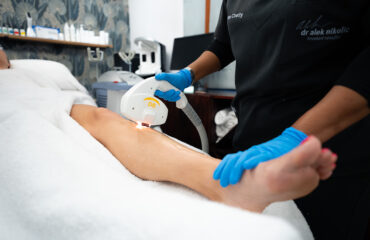
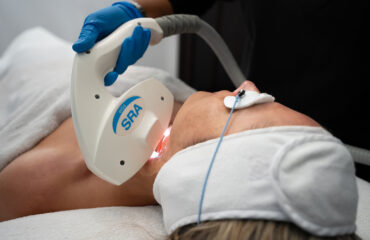
Winter’s reduced UV exposure, cooler healing conditions, and extended recovery timeline before summer create an optimal window for comprehensive aesthetic treatment protocols in Cape Town.
- Reduced UV exposure during winter months minimizes post-treatment complications and hyperpigmentation risks for procedures like IPL and microneedling
- Cooler temperatures support natural healing processes and reduce inflammation following injectable treatments and skin resurfacing procedures
- Strategic winter timing allows complete recovery and visible improvement before summer social events and increased sun exposure
- Comprehensive treatment protocols can be sequenced effectively over winter months, addressing multiple concerns through coordinated assessment
- VISIA skin analysis provides baseline measurements that guide personalized winter treatment protocols and track improvement objectively
Winter provides optimal conditions for aesthetic treatments due to reduced UV exposure, cooler temperatures supporting recovery, and strategic timing allowing full healing before summer sun exposure. This seasonal window permits comprehensive treatment protocols including IPL, microneedling, and injectable treatments with enhanced safety profiles and improved outcomes.
Cape Town’s winter months present a strategic opportunity for aesthetic treatments that many patients overlook. Between May and September, the combination of reduced UV exposure, cooler temperatures, and decreased social obligations creates conditions that support optimal treatment outcomes and recovery. Understanding why timing matters transforms aesthetic medicine from reactive interventions into strategic enhancement protocols.
Winter provides reduced UV exposure during Cape Town’s cooler months, minimizing post-treatment complications and hyperpigmentation risks for procedures like IPL and microneedling. Cooler temperatures support natural healing processes and reduce inflammation following injectable treatments and skin resurfacing procedures. Strategic winter timing allows complete recovery and visible improvement before summer social events and increased sun exposure, whilst comprehensive treatment protocols can be sequenced effectively over winter months, addressing multiple concerns through coordinated assessment.
The diagnostic-first approach begins with objective measurement rather than assumptions about your skin’s needs. VISIA skin analysis reveals subsurface conditions including hidden sun damage, vascular concerns, and pigmentation patterns that guide personalized winter treatment protocols. This technology-enhanced assessment establishes baseline measurements that track improvement objectively throughout your treatment journey.
Winter’s extended timeline permits progressive treatment sequencing that addresses multiple aesthetic concerns through coordinated protocols. Rather than rushing single treatments before summer events, the cooler months allow comprehensive enhancement that respects your skin’s healing capacity whilst building visible improvement systematically. This strategic approach considers your individual circumstances, treatment objectives, and realistic timelines for achieving natural enhancement.
Understanding the Seasonal Advantage: Why Winter Timing Matters for Aesthetic Treatments
The relationship between seasonal conditions and aesthetic treatment outcomes extends beyond simple convenience. Environmental factors directly influence how your skin responds to interventions, recovers from procedures, and maintains improvement over time. Cape Town’s winter months provide specific advantages that support safer treatments and enhanced outcomes across multiple aesthetic modalities.
The UV Exposure Factor in Treatment Safety
Ultraviolet radiation represents the most significant environmental risk factor following many aesthetic treatments. Post-procedure skin demonstrates increased photosensitivity, meaning normal sun exposure that wouldn’t typically cause problems can trigger complications including hyperpigmentation, prolonged inflammation, and compromised treatment outcomes. Cape Town’s winter months provide naturally reduced UV intensity compared to summer’s intense radiation levels.
Following treatments like IPL, microneedling, and certain injectable procedures, your skin’s protective barrier experiences temporary disruption. This disruption increases vulnerability to UV damage during the healing phase. Winter’s reduced sun intensity creates a protective window during the most vulnerable recovery period. However, sun protection remains essential regardless of season, as even winter UV exposure can compromise treatment outcomes.
The timing consideration extends beyond immediate post-treatment recovery. Many aesthetic treatments work progressively, with visible improvement developing over weeks or months. Winter treatment timing ensures this improvement occurs whilst UV exposure remains naturally reduced, supporting optimal outcomes before summer’s increased sun exposure resumes.
Temperature’s Role in Post-Treatment Recovery
Cape Town’s cooler winter temperatures provide physiological advantages during post-treatment recovery. Heat exacerbates inflammation, increases swelling, and can prolong discomfort following aesthetic procedures. Cooler ambient temperatures naturally support the body’s healing processes by reducing inflammatory responses and minimizing tissue swelling.
Following injectable treatments with botulinum toxin or dermal fillers, cooler temperatures help minimize the mild swelling that typically accompanies these procedures. Patients often find recovery more comfortable during winter months compared to summer treatments where heat exposure can intensify temporary side effects. This comfort factor influences both the treatment experience and visible recovery timeline.
Skin resurfacing procedures including microneedling and IPL benefit particularly from cooler environmental conditions. These treatments create controlled injury that triggers healing responses. Cooler temperatures support this healing without the additional inflammatory burden that heat exposure creates. The result is typically more comfortable recovery with reduced visible downtime.
Strategic Timeline Planning for Summer Readiness
Winter treatment timing provides sufficient healing and improvement development before summer’s social calendar intensifies. Many aesthetic treatments require multiple sessions spaced weeks apart to achieve optimal outcomes. Beginning comprehensive protocols in winter allows progressive improvement that reaches full effect by spring and summer months.
Consider a patient beginning microneedling treatments in June. A typical protocol might include three to four sessions spaced four to six weeks apart. This timeline means treatments continue through August or September, with full improvement visible by November, just as summer social events begin. This strategic timing ensures you’re presenting your enhanced appearance when it matters most, rather than navigating recovery during peak social season.
The extended winter timeline also permits thoughtful treatment sequencing. Rather than rushing multiple procedures, winter allows proper spacing between different treatment modalities. This spacing respects your skin’s healing capacity whilst building comprehensive improvement across multiple concerns. The diagnostic-first approach establishes realistic timelines based on your individual circumstances rather than arbitrary treatment schedules.
The Diagnostic-First Approach: Beginning with Comprehensive Assessment
Effective aesthetic treatment begins with understanding your skin’s current state through objective measurement rather than visual assessment alone. The diagnostic-first methodology establishes treatment priorities based on measurable data, ensuring interventions address actual skin conditions rather than assumptions. This approach transforms aesthetic medicine from guesswork into evidence-based enhancement.
VISIA Skin Analysis as Foundation for Treatment Planning
VISIA technology captures standardized facial images using multiple lighting conditions including standard visible light, cross-polarized light, and UV photography. This multi-spectral imaging reveals subsurface skin conditions invisible to standard examination, including hidden sun damage, vascular conditions, pigmentation patterns, and texture irregularities. The objective data guides treatment decisions based on your skin’s actual needs.
The technology measures specific parameters including spots (pigmentation and vascular lesions), pores, UV damage, texture irregularities, and porphyrins (bacterial presence). Each parameter receives a numerical score comparing your skin to others in your age and skin type category. This comparison provides context for understanding whether your concerns represent normal variation or conditions that might benefit from intervention.
VISIA analysis establishes baseline measurements that track improvement objectively throughout your treatment journey. Follow-up imaging after treatments provides visual and numerical evidence of changes, removing subjective interpretation from outcome assessment. This objective tracking helps determine whether additional treatments would provide meaningful benefit or whether current outcomes meet your treatment objectives.
Identifying Treatment Priorities Through Objective Measurement
Comprehensive assessment reveals that perceived concerns don’t always align with measurable skin conditions. Patients sometimes focus on one concern whilst VISIA analysis reveals more significant conditions requiring attention. The diagnostic approach identifies treatment priorities based on both your subjective concerns and objective measurements, creating protocols that address your most significant needs.
For example, a patient concerned primarily about fine lines might undergo VISIA analysis revealing significant subsurface sun damage and pigmentation. Whilst addressing texture concerns remains valid, the comprehensive protocol might prioritize treatments targeting sun damage and pigmentation first, as these conditions often contribute to perceived aging more significantly than texture alone. This prioritization ensures treatments deliver maximum improvement.
The objective data also identifies conditions that might contraindicate certain treatments or require modified approaches. Hidden vascular conditions might influence IPL treatment parameters, whilst bacterial presence might indicate the need for skincare protocol adjustments before proceeding with certain procedures. This thorough assessment supports treatment safety and effectiveness.
Understanding Your Skin’s Current State Before Intervention
The comprehensive assessment includes discussion of your aesthetic concerns, medical history review, and examination of facial anatomy. This conversation establishes realistic expectations about what treatments can achieve and identifies any factors that might influence treatment selection or outcomes. The educational component ensures you understand proposed treatments and their expected effects.
Medical history influences treatment appropriateness and safety. Certain conditions, medications, or previous treatments affect how your skin responds to interventions. Thorough history-taking identifies these factors before treatment, preventing complications and supporting optimal outcomes. This medical approach distinguishes aesthetic medicine from beauty treatments, prioritizing safety alongside enhancement.
Understanding your skin’s current state includes recognizing its strengths alongside concerns requiring attention. The diagnostic approach identifies what’s working well in your current skincare routine and natural skin function, preserving these positive aspects whilst addressing specific concerns. This balanced perspective supports natural enhancement rather than unnecessary intervention.
IPL Treatment During Winter: Maximizing Safety and Effectiveness
Intense pulsed light treatment addresses pigmentation irregularities, vascular conditions, and sun damage through controlled light energy that targets specific chromophores in skin tissue. Winter timing provides significant advantages for IPL treatment safety and effectiveness, making Cape Town’s cooler months the preferred treatment window for this modality.
Why Reduced Sun Exposure Protects Treatment Outcomes
IPL treatment creates controlled thermal injury to targeted tissue, triggering healing responses that gradually improve pigmentation and vascular concerns. Following treatment, skin demonstrates increased photosensitivity for several weeks. UV exposure during this vulnerable period can trigger post-inflammatory hyperpigmentation, particularly in patients with darker skin types or those prone to pigmentation concerns.
Cape Town’s winter months provide naturally reduced UV intensity compared to summer’s intense radiation. This reduction doesn’t eliminate sun exposure risk but creates more forgiving conditions during the critical post-treatment healing phase. Patients who maintain proper sun protection during winter recovery face lower risk of pigmentation complications compared to summer treatments where UV exposure proves harder to avoid completely.
The treatment itself works more safely during winter because pre-treatment sun exposure is typically reduced. Tanned skin contains elevated melanin levels that compete with treatment targets for light energy absorption. This competition increases discomfort during treatment and raises complication risks. Winter-treated skin generally contains baseline melanin levels, allowing more precise targeting of pigmentation irregularities and vascular lesions.
Post-IPL Recovery Considerations in Cooler Weather
Following IPL treatment, patients typically experience mild redness, slight swelling, and temporary darkening of pigmented areas. These effects generally resolve within days to two weeks, depending on treatment intensity and individual healing responses. Cooler winter temperatures support more comfortable recovery compared to summer heat that can intensify temporary side effects.
The treated pigmentation initially darkens before flaking away over subsequent days. This “coffee ground” appearance represents normal healing but can concern patients unfamiliar with the process. Winter timing allows this visible healing phase to occur when outdoor activities and social obligations often decrease naturally. Many patients appreciate navigating recovery during months when they’re less likely to attend outdoor events or beach activities.
Post-treatment skincare requires gentle cleansing, appropriate moisturization, and strict sun protection. Winter conditions generally support this protocol, as cooler weather reduces sweating and outdoor exposure that can complicate healing. However, indoor heating can dry skin, making moisturization particularly important during winter recovery. Your personalized post-treatment protocol addresses seasonal considerations specific to Cape Town winter conditions.
Combining IPL with Other Winter Treatment Protocols
IPL treatment often forms one component of comprehensive protocols addressing multiple skin concerns. The treatment targets pigmentation and vascular conditions effectively but doesn’t address concerns like volume loss, dynamic wrinkles, or significant texture irregularities. Combining IPL with complementary treatments creates comprehensive improvement across multiple aesthetic concerns.
Sequencing considerations determine appropriate timing between different treatment modalities. Generally, skin resurfacing procedures like IPL should precede injectable treatments when combining modalities. This sequence prevents disrupting freshly placed dermal fillers or affecting botulinum toxin distribution. Typical protocols space IPL treatment at least two weeks before injectable procedures, allowing initial healing before introducing additional interventions.
Microneedling and IPL can complement each other when properly sequenced. IPL addresses pigmentation and vascular concerns, whilst microneedling improves texture and stimulates collagen production. These modalities target different skin concerns through different mechanisms, creating comprehensive improvement when coordinated appropriately. Your treatment protocol establishes safe spacing between procedures based on your skin’s healing responses and treatment objectives.
Microneedling Treatment Sequencing During Winter Months
Microneedling creates controlled micro-injuries that trigger healing responses including collagen production, improved texture, and enhanced product absorption. The Dermapen 4 technology delivers precise needle depth control and reduced treatment discomfort compared to older microneedling devices. Winter timing supports optimal microneedling outcomes through reduced sun exposure during the healing and improvement development phases.
Dermapen 4 Technology and Seasonal Timing Benefits
The Dermapen 4 represents advanced microneedling technology with adjustable needle depths, high-speed motor function, and sterile single-use needle cartridges. This technology allows customized treatment intensity based on specific skin concerns and treatment areas. Facial treatments typically use shallower depths compared to body treatments, with parameters adjusted based on comprehensive assessment findings.
Treatment creates thousands of microscopic channels in skin tissue, triggering healing responses that develop over subsequent weeks and months. Immediate effects include redness and mild swelling that typically resolve within 24 to 48 hours. The collagen production and texture improvement develop gradually, with visible results emerging over four to six weeks following treatment. Multiple sessions spaced appropriately create progressive improvement.
Winter timing provides advantages throughout this improvement timeline. The initial healing phase benefits from reduced sun exposure and cooler temperatures. The subsequent improvement development occurs whilst UV exposure remains naturally reduced, supporting optimal collagen remodelling without photodamage interference. Beginning microneedling protocols in winter ensures maximum improvement by summer months.
Recovery Timeline and Sun Protection Requirements
Post-microneedling recovery involves several phases. Immediate effects include redness resembling mild sunburn and slight swelling, typically resolving within one to two days. Skin may feel tight and appear slightly flaky as surface healing progresses over the first week. During this phase, gentle skincare and strict sun protection form essential components of post-treatment care.
The microscopic channels created during treatment heal rapidly, but skin barrier function remains temporarily compromised. This compromise increases vulnerability to UV damage, environmental irritants, and bacterial contamination. Post-treatment protocols emphasize gentle cleansing, appropriate moisturization, and broad-spectrum sun protection. Winter conditions generally support this protocol, though indoor heating requires attention to moisturization needs.
Deeper healing processes including collagen production continue for weeks following treatment. This extended improvement timeline means sun protection remains important well beyond initial visible healing. UV exposure during collagen remodelling can compromise improvement development and trigger pigmentation concerns. Winter treatment timing provides naturally reduced UV exposure during this critical improvement phase.
Coordinating Microneedling with Injectable Treatments
Microneedling and injectable treatments address different aesthetic concerns through distinct mechanisms. Microneedling improves texture, stimulates collagen, and enhances overall skin quality. Injectable treatments address volume loss and dynamic wrinkles through different approaches. Combining these modalities creates comprehensive facial enhancement when properly sequenced.
Treatment sequencing typically spaces microneedling at least two weeks away from injectable procedures. This spacing prevents disrupting dermal filler placement or affecting botulinum toxin distribution patterns. The specific sequence depends on treatment priorities and comprehensive assessment findings. Some protocols begin with injectable treatments, allowing full effect development before introducing microneedling. Others prioritize skin quality improvement through microneedling before addressing volume and wrinkle concerns.
Winter’s extended timeline permits thoughtful sequencing of multiple treatment modalities. Rather than rushing procedures, the cooler months allow appropriate spacing that respects healing requirements whilst building progressive improvement. Your personalized protocol establishes sequencing based on your specific concerns, treatment objectives, and realistic timelines for achieving natural enhancement.
Injectable Treatments: Botulinum Toxin and Dermal Fillers in Winter
Injectable treatments address dynamic wrinkles and volume loss through targeted interventions that provide natural-looking enhancement when administered appropriately. Winter timing offers specific advantages for injectable treatments, including temperature benefits for recovery and strategic timing that ensures full effect development before summer social events.
Temperature Benefits for Post-Injectable Recovery
Following injectable treatments, patients typically experience mild swelling, occasional bruising, and temporary injection site marks. These effects generally resolve within days to two weeks, depending on treatment areas and individual healing responses. Cape Town’s cooler winter temperatures support more comfortable recovery compared to summer heat that can intensify temporary swelling.
Botulinum toxin treatments typically cause minimal immediate side effects, with treatment effects developing gradually over three to fourteen days. The cooler winter environment doesn’t significantly affect the biological mechanism of action but provides more comfortable conditions during the effect development phase. Patients appreciate navigating this transition period during months when outdoor activities and social obligations often decrease naturally.
Dermal filler treatments involve slightly more immediate visible effects, as product placement creates volume enhancement immediately whilst some swelling adds temporary additional fullness. This initial swelling typically resolves within days to two weeks, revealing the intended treatment outcome. Cooler temperatures help minimize this temporary swelling, supporting more comfortable recovery and faster return to normal activities.
Combining Botulinum Toxin and Dermal Fillers Safely
Clinical practice generally supports combining botulinum toxin and dermal filler treatments during the same appointment when appropriate for your treatment goals. However, comprehensive assessment determines whether simultaneous treatment serves your individual needs or whether sequencing provides better outcomes. Treatment areas, specific concerns, and your aesthetic objectives influence this decision.
Botulinum toxin addresses dynamic wrinkles caused by repetitive muscle movement, whilst dermal fillers restore volume loss and soften static wrinkles present at rest. These complementary mechanisms often work together to create comprehensive facial enhancement. For example, treating forehead lines might involve botulinum toxin to reduce muscle activity causing horizontal lines, combined with subtle filler placement to smooth remaining static lines.
Safety considerations include appropriate product selection, precise anatomical knowledge, and conservative treatment philosophy. The diagnostic approach identifies appropriate treatment areas based on comprehensive assessment rather than standardized treatment patterns. This individualized approach ensures treatments address your specific concerns whilst maintaining natural facial movement and expression.
Strategic Timing for Social Events and Visible Healing
Winter treatment timing provides strategic advantages for managing social calendars around aesthetic procedures. Injectable treatments require relatively minimal downtime compared to skin resurfacing procedures, but temporary side effects including swelling and occasional bruising can affect appearance for days following treatment. Winter’s typically reduced social obligations in some cases permit recovery time without significant lifestyle disruption.
Botulinum toxin effects develop gradually, with full results visible within two weeks of treatment. Planning treatments at least three weeks before important events ensures full effect development and allows time to address any areas requiring adjustment. Winter timing means this effect development occurs well before summer’s peak social season, ensuring you’re presenting your enhanced appearance when it matters most.
Dermal filler treatments provide more immediate visible results, though initial swelling can temporarily exaggerate the enhancement. Planning filler treatments at least two to three weeks before important events allows swelling resolution and settling of product into natural-appearing contours. Winter treatment timing ensures this settling process completes before summer activities resume.
Comprehensive Treatment Protocols: Sequencing Multiple Procedures
Addressing multiple aesthetic concerns often requires coordinated treatment protocols that combine complementary modalities. The diagnostic-first approach establishes treatment priorities based on comprehensive assessment, creating personalized protocols that respect healing requirements whilst building progressive improvement. Winter’s extended timeline supports thoughtful sequencing of multiple procedures.
Full-Face Assessment and Coordinated Treatment Planning
Comprehensive facial assessment examines multiple factors including skin quality, pigmentation patterns, vascular conditions, volume distribution, dynamic wrinkles, and overall facial proportions. This thorough evaluation identifies how different concerns interact and determines which treatments address your most significant needs. The holistic approach creates protocols that enhance overall facial appearance rather than treating isolated concerns.
VISIA analysis provides objective measurement of skin quality parameters, whilst clinical examination assesses volume distribution and dynamic movement patterns. This combined assessment reveals both surface skin concerns and deeper structural factors affecting facial appearance. Understanding these multiple layers guides treatment selection and sequencing for comprehensive enhancement.
Treatment priorities emerge from discussion of your subjective concerns combined with objective assessment findings. Some patients prioritize skin quality improvement before addressing volume concerns, whilst others focus initially on dynamic wrinkle reduction. Your personalized protocol reflects your priorities whilst incorporating professional recommendations based on comprehensive assessment findings.
Spacing Requirements Between Different Treatment Modalities
Different treatment modalities require specific spacing to ensure safety and optimal outcomes. Skin resurfacing procedures including IPL and microneedling typically require four to six weeks between sessions, allowing complete healing and initial improvement development before additional treatment. Injectable treatments can often be coordinated more closely when appropriate, though spacing still allows assessment of initial results before additional intervention.
Combining different treatment types requires careful sequencing. Generally, skin resurfacing procedures precede injectable treatments when coordinating multiple modalities during the same treatment period. This sequence prevents disrupting freshly placed products or affecting treatment distribution. Typical protocols space resurfacing treatments at least two weeks before injectable procedures.
Winter’s extended timeline permits appropriate spacing between multiple procedures without feeling rushed. Beginning comprehensive protocols in May or June allows progressive treatment sequencing through August or September, with full improvement visible by November. This strategic timing respects healing requirements whilst ensuring enhancement develops fully before summer social season.
Building Progressive Improvement Over Winter Months
Comprehensive protocols create progressive improvement through strategically sequenced treatments that address multiple concerns systematically. Rather than attempting dramatic change through aggressive single treatments, the approach builds natural-looking enhancement through appropriate interventions spaced to support optimal healing and improvement development.
Early winter treatments often focus on skin quality improvement through modalities like IPL or microneedling. These treatments address surface concerns including pigmentation, vascular conditions, and texture irregularities. Improving skin quality creates an enhanced foundation for subsequent treatments addressing volume and dynamic wrinkles.
Mid-to-late winter treatments might introduce injectable procedures once skin quality improvements have developed. This sequencing ensures comprehensive enhancement across multiple facial concerns whilst respecting healing timelines and treatment spacing requirements. The progressive approach allows assessment of outcomes at each stage, informing decisions about additional treatments based on visible improvement rather than predetermined treatment plans.
Post-Treatment Care During Cape Town Winter
Proper post-treatment care significantly influences treatment outcomes and recovery comfort. Winter conditions in Cape Town create specific considerations for post-procedure skincare, sun protection, and healing support. Understanding seasonal factors helps optimize recovery whilst protecting treatment investment.
Sun Protection Remains Essential Despite Cooler Weather
Many patients mistakenly believe winter eliminates sun protection requirements. Whilst UV intensity reduces during cooler months, significant radiation remains present even on overcast days. Post-treatment skin demonstrates increased photosensitivity, making sun protection essential regardless of season or weather conditions.
Broad-spectrum sun protection with SPF 30 or higher forms a non-negotiable component of post-treatment care. Application should occur daily, including cloudy days when UV radiation penetrates cloud cover. Physical sunscreen formulations containing zinc oxide or titanium dioxide often suit post-treatment skin better than chemical sunscreens, as they provide immediate protection without requiring absorption into temporarily compromised skin barrier.
Beyond topical sun protection, behavioural strategies support UV avoidance during critical healing phases. Seeking shade during peak UV hours (10 AM to 4 PM), wearing protective clothing including wide-brimmed hats, and avoiding unnecessary sun exposure all contribute to protecting treatment outcomes. Winter conditions make these strategies easier to maintain compared to summer’s outdoor lifestyle demands.
Skincare Protocol Adjustments for Winter Treatment Recovery
Post-treatment skincare requires gentle approaches that support healing without irritating temporarily sensitive skin. Winter conditions including cooler temperatures and indoor heating create specific skincare needs that differ from summer requirements. Understanding these seasonal factors helps optimize post-treatment protocols.
Gentle cleansing removes impurities without disrupting healing processes. Post-treatment skin often benefits from cream-based or oil-based cleansers that clean effectively whilst maintaining moisture. Avoiding harsh surfactants, physical exfoliants, and active ingredients including retinoids and acids during initial healing phases prevents unnecessary irritation.
Moisturization becomes particularly important during Cape Town winter, as indoor heating and cooler outdoor temperatures can dry skin. Post-treatment skin requires appropriate hydration to support healing processes and maintain comfort. Selecting moisturizers based on your skin type and treatment recovery needs ensures adequate hydration without causing congestion or interfering with healing.
Monitoring Progress Through Follow-Up Assessment
Post-treatment follow-up provides opportunities to assess healing, track improvement development, and address any concerns that arise during recovery. Scheduled follow-up appointments typically occur at intervals determined by treatment type and expected improvement timeline. These assessments ensure treatments are progressing as expected and allow early intervention if complications develop.
VISIA analysis at follow-up appointments provides objective measurement of improvement, removing subjective interpretation from outcome assessment. Comparing post-treatment images to baseline measurements reveals specific changes in pigmentation, vascular conditions, texture, and other parameters. This objective tracking helps determine whether additional treatments would provide meaningful benefit or whether current outcomes meet treatment objectives.
Follow-up discussions address your satisfaction with outcomes, any concerns about healing or results, and considerations for additional treatments if appropriate. The educational approach ensures you understand improvement timelines and realistic expectations for progressive enhancement. This ongoing partnership supports informed decision-making about your aesthetic journey.
Planning Your Winter Treatment Journey: The Consultation Process
Beginning your winter treatment journey starts with comprehensive consultation that establishes treatment priorities, realistic expectations, and personalized protocols. Understanding what to expect during this assessment process helps you prepare for productive discussion and informed decision-making about aesthetic treatments.
What to Expect During Comprehensive Assessment
Initial consultation typically begins with discussion of your aesthetic concerns, medical history, and treatment objectives. This conversation establishes what you hope to achieve and identifies any factors that might influence treatment selection or safety. The educational component ensures you understand proposed treatments and their expected effects before committing to intervention.
VISIA skin analysis follows initial discussion, capturing standardized images that reveal subsurface skin conditions. The technology provides objective data about pigmentation, vascular conditions, texture, and other parameters. Reviewing these findings together creates shared understanding of your skin’s current state and identifies treatment priorities based on measurable concerns rather than assumptions.
Clinical examination assesses facial anatomy, volume distribution, dynamic movement patterns, and overall facial proportions. This hands-on assessment complements VISIA findings, creating comprehensive understanding of both surface skin concerns and deeper structural factors affecting appearance. The thorough evaluation guides treatment recommendations specific to your individual circumstances.
Realistic Timeline Expectations for Multiple Treatments
Comprehensive protocols addressing multiple concerns require extended timelines that respect healing requirements and improvement development. Understanding realistic timeframes helps set appropriate expectations and plan treatment journeys that fit your lifestyle and social calendar. Winter’s extended treatment window supports thoughtful sequencing without rushed decisions.
Individual treatments typically require specific spacing between sessions. Microneedling protocols often involve three to four sessions spaced four to six weeks apart. IPL treatments might require two to three sessions spaced similar intervals. Injectable treatments provide longer-lasting results with single sessions, though some patients choose maintenance treatments at regular intervals.
Progressive improvement develops over weeks to months following treatments. Visible changes emerge gradually as healing processes complete and biological responses develop fully. Beginning winter protocols in May or June allows improvement to develop fully by November or December, ensuring enhanced appearance for summer social season. This strategic timeline planning transforms aesthetic treatment from reactive intervention into thoughtful enhancement strategy.
Investment Considerations for Coordinated Protocols
Comprehensive treatment protocols represent investment in your appearance and confidence. Understanding financial considerations helps plan treatment journeys that align with both aesthetic objectives and budget realities. Transparent discussion of investment requirements supports informed decision-making about treatment priorities and sequencing.
Treatment investment varies based on specific modalities selected, number of sessions required, and complexity of concerns being addressed. Comprehensive protocols addressing multiple concerns typically represent greater investment than single-treatment approaches but provide more significant overall improvement. The diagnostic approach ensures treatments address your most significant concerns, maximizing value from your aesthetic investment.
Coordinated protocols often provide better value than isolated treatments by creating synergistic improvement across multiple concerns. However, financial considerations might influence treatment sequencing, with some patients choosing to address highest-priority concerns initially and adding complementary treatments in subsequent treatment periods. Your personalized protocol considers both optimal treatment sequencing and practical financial factors.
Winter provides Cape Town patients with optimal conditions for aesthetic treatments through reduced UV exposure, cooler temperatures supporting recovery, and strategic timing allowing full improvement development before summer. The diagnostic-first approach beginning with comprehensive VISIA assessment ensures treatments address your actual needs rather than assumptions, creating personalized protocols that build natural enhancement progressively. Whether addressing skin quality concerns through IPL and microneedling or enhancing facial contours through injectable treatments, winter’s extended timeline supports thoughtful treatment sequencing that respects healing requirements whilst delivering visible improvement when it matters most.
Frequently Asked Questions
Why is winter considered the best time for IPL treatment in Cape Town?
Winter provides reduced UV exposure, which minimizes the risk of post-inflammatory hyperpigmentation following IPL treatment. The cooler months allow your skin to heal without intense sun exposure, and strategic winter timing ensures full recovery before summer activities require increased sun exposure.
Can botulinum toxin and dermal fillers be combined in the same treatment session?
Clinical practice generally supports combining these treatments during the same appointment when appropriate for your treatment goals. However, comprehensive assessment determines whether simultaneous treatment serves your individual needs, or whether sequencing provides better outcomes. Your personalized protocol depends on the areas being addressed and your specific aesthetic concerns.
How long should I wait between different aesthetic treatments during winter?
Spacing requirements vary based on treatment types and individual healing responses. Generally, skin resurfacing procedures like microneedling require four to six weeks between sessions, whilst injectable treatments can often be coordinated more closely. Your comprehensive assessment establishes appropriate timing based on your skin’s response and treatment objectives.
What does a full-face aesthetic assessment involve?
A comprehensive assessment begins with VISIA skin analysis to objectively measure skin concerns including pigmentation, vascular conditions, and texture irregularities. This diagnostic technology provides baseline measurements that guide personalized treatment protocols. The assessment includes discussion of your concerns, medical history review, and examination of facial anatomy to determine appropriate treatment options and realistic outcomes.
Do I still need sun protection during Cape Town winter after aesthetic treatments?
Absolutely. Whilst winter provides reduced UV intensity, sun protection remains essential following aesthetic treatments. Post-procedure skin demonstrates increased photosensitivity, and even winter sun exposure can compromise treatment outcomes. Broad-spectrum sun protection forms a non-negotiable component of post-treatment care regardless of season.
How many treatments are typically needed to see improvement?
Treatment requirements vary significantly based on your starting point, specific concerns, and treatment modalities selected. Some patients experience visible improvement following a single session, whilst others benefit from a series of treatments spaced appropriately. VISIA analysis provides objective measurements that track progress and inform decisions about additional treatments. Your personalized protocol outlines realistic expectations based on comprehensive assessment.
Can I have aesthetic treatments if I have an upcoming winter event?
Strategic timing considers your social calendar to ensure appropriate healing before important events. Different treatments require varying recovery periods. Injectable treatments typically allow relatively quick return to normal activities, whilst skin resurfacing procedures may require longer healing windows. Your comprehensive consultation addresses specific timeline requirements to coordinate treatments with your schedule.
What makes winter better than summer for starting a comprehensive treatment protocol?
Winter provides multiple advantages including reduced UV exposure supporting safer healing, cooler temperatures minimizing inflammation and discomfort, extended timeline allowing progressive treatment sequencing before summer, and reduced social obligations in some cases permitting recovery time. These factors combine to create optimal conditions for comprehensive protocols addressing multiple aesthetic concerns through coordinated treatment.
How does VISIA skin analysis influence my winter treatment plan?
VISIA technology captures standardized images revealing subsurface skin conditions not visible to the naked eye, including hidden sun damage, vascular concerns, and pigmentation patterns. This objective data identifies treatment priorities, establishes measurable baselines for tracking improvement, and helps determine which treatment modalities address your specific concerns most effectively. The diagnostic-first approach ensures treatments target actual skin conditions rather than assumptions.
Is it safe to combine multiple aesthetic treatments during winter months?
When properly sequenced and medically supervised, combining complementary treatments during winter can be both safe and effective. However, comprehensive assessment determines appropriate treatment combinations and spacing for your individual circumstances. Some treatments complement each other, whilst others require careful timing to avoid compromising outcomes. Your personalized protocol considers your skin’s healing capacity, treatment objectives, and safety parameters specific to your medical history.
Related Articles
- Microneedling in Winter: Timing, Techniques and Recovery Protocols for Cape Town Patients
– Related cluster article - The Benefits of Combining Treatments in Winter: Strategic Protocols for Enhanced Outcomes
– Related cluster article