Skinvive represents a paradigm shift in under eye treatment by targeting skin quality through deep hydration rather than volumizing hollow areas like traditional fillers.
- Skinvive works by micro-injecting hyaluronic acid to hydrate skin from within, not by adding volume like traditional fillers
- Best suited for patients with skin quality concerns like crepiness, fine lines, and texture rather than significant volume loss
- Results typically develop gradually over 4-6 weeks as skin hydration improves, with effects lasting approximately 6 months
- Treatment involves minimal downtime compared to traditional under eye fillers, with lower risk of visible lumps or bluish discoloration
- Professional assessment determines whether Skinvive, traditional filler, or combination treatment best addresses individual under eye concerns
Skinvive is a hyaluronic acid microdroplet injectable that improves under eye skin quality through hydration rather than volumizing. Unlike traditional fillers that add structure, Skinvive enhances skin texture, smoothness, and hydration from within, addressing fine lines and crepiness without altering contours.
The under eye area reveals aging in ways that frustrate even the most diligent skincare enthusiasts. While traditional fillers have dominated under eye rejuvenation for years, they address only one dimension of aging—volume loss. Skinvive represents a fundamentally different approach, targeting the skin quality issues that fillers cannot improve: crepiness, fine lines, and texture deterioration that make the under eye area appear aged regardless of volume.
Understanding this distinction matters because choosing the wrong treatment approach wastes both time and investment while potentially creating new concerns. Skinvive uses hyaluronic acid in a novel microdroplet technique to hydrate skin from within, improving texture and smoothness without altering facial contours. This approach serves patients whose primary concern involves skin quality rather than structural volume deficits.
The shift toward treating skin quality represents a more nuanced understanding of under eye aging. Not every patient needs volume—many simply need better skin. Skinvive addresses this previously underserved category of aesthetic concerns, offering an option for those who want improvement without the risks associated with traditional filler placement in this delicate area. Professional assessment determines which patients benefit most from this hydration-focused approach versus volumizing fillers or combination treatments tailored to individual aging patterns.
What Makes Skinvive Different From Traditional Under Eye Fillers
The distinction between Skinvive and traditional under eye fillers extends far beyond marketing terminology. These treatments operate through entirely different mechanisms, target different concerns, and produce different types of results. Understanding these fundamental differences allows patients to make informed decisions about which approach addresses their specific under eye concerns.
The Fundamental Difference: Hydration vs Volumization
Traditional under eye fillers work by adding volume to hollow areas, physically filling the space between skin and underlying structures. The hyaluronic acid gel acts as a scaffolding material, lifting depressed areas and smoothing the transition between the lower eyelid and cheek. This volumizing approach addresses structural deficits—the loss of fat pads and bone that creates shadows and hollows characteristic of tear trough deformities.
Skinvive operates through an entirely different mechanism: intradermal hydration. Rather than filling empty spaces beneath the skin, Skinvive delivers hyaluronic acid throughout the skin tissue itself in tiny microdroplets. This distributed placement allows the hyaluronic acid to attract and bind water molecules within the skin layers, improving hydration from within. The result enhances skin quality—texture, smoothness, and fine line appearance—without changing facial contours or adding structural volume.
This distinction determines which patients benefit from each treatment. Someone with deep hollows and pronounced shadows under the eyes needs volumization that only traditional fillers provide. Someone with adequate volume but crepey, textured skin benefits from Skinvive’s hydration approach. Many patients have both concerns, requiring a combination strategy that addresses volume deficits with traditional filler and skin quality with Skinvive.
The treatment philosophy differs fundamentally: traditional fillers replace what’s missing, while Skinvive improves what’s there. Neither approach is superior—they serve different purposes and address different aspects of under eye aging. Professional assessment identifies which mechanism aligns with your primary concern and aging pattern.
How Skinvive’s Hyaluronic Acid Formula Works
Skinvive contains hyaluronic acid formulated specifically for intradermal injection and skin quality improvement. The molecular structure and concentration differ from traditional fillers, designed to integrate throughout skin tissue rather than maintain gel structure in a concentrated area. This formulation allows the product to distribute evenly within the dermis, enhancing the skin’s natural moisture-retention capacity.
Hyaluronic acid naturally exists in skin tissue, where it binds up to 1,000 times its weight in water. As we age, natural hyaluronic acid levels decline, contributing to dryness, loss of plumpness, and deteriorating texture. Skinvive replenishes this moisture-binding capacity by introducing hyaluronic acid directly into the skin layers where it functions. The product integrates with existing tissue, attracting water molecules and improving overall skin hydration over time.
The formulation includes lidocaine for patient comfort during injection. The hyaluronic acid particles are designed to remain in the dermal layer, providing sustained hydration effects rather than immediate volumization. This approach requires patience—results develop gradually as the skin’s moisture content improves and cellular function responds to enhanced hydration. The effect differs markedly from the immediate contour change visible with traditional filler placement.
Clinical experience shows that this intradermal hydration approach particularly benefits the delicate under eye skin, which has fewer oil glands and tends toward dryness. By improving the skin’s fundamental hydration status, Skinvive addresses the fine lines, crepiness, and texture issues that develop when this area becomes dehydrated and loses its youthful resilience.
Traditional Filler Placement vs Skinvive Microdroplet Technique
The injection technique for Skinvive differs dramatically from traditional filler placement, reflecting the different treatment goals. Traditional under eye filler involves precise placement of product in specific anatomical planes—typically the supraperiosteal layer (against the bone) or deep subcutaneous tissue. The injector places concentrated amounts of gel in strategic locations to fill hollows and smooth contour irregularities. This requires extensive anatomical knowledge and precise technique to avoid complications like vascular occlusion or visible lumps.
Skinvive uses a microdroplet technique that distributes tiny amounts of product throughout the treatment area. Rather than creating concentrated deposits, the injector makes multiple small injections in a grid pattern across the under eye skin. Each injection delivers a small droplet that disperses within the dermal tissue. This distribution pattern ensures even hydration throughout the treatment area without creating focal accumulations of product.
The superficial placement of Skinvive—within the skin layers rather than beneath them—requires different technical skills. The injector must maintain consistent depth to ensure product remains in the dermis where it improves skin quality. Too deep, and the product doesn’t enhance skin texture; too superficial, and visible bumps may occur. The multiple injection points require systematic coverage to ensure uniform results across the entire under eye area.
This microdroplet approach offers certain advantages in the under eye area. The distributed placement reduces the risk of vascular complications because no single injection delivers a large bolus of product that could compress blood vessels. The superficial placement avoids deeper structures where more serious complications occur. The technique also reduces the risk of visible product accumulation that can create a lumpy appearance or bluish discoloration sometimes seen with traditional fillers placed incorrectly.
Understanding Under Eye Aging: Which Concerns Does Skinvive Address
Under eye aging manifests through multiple mechanisms, each requiring different treatment approaches. Skinvive addresses specific concerns while remaining ineffective for others. Understanding which category describes your primary issue determines whether Skinvive represents an appropriate treatment choice or whether alternative approaches better serve your goals.
Skin Quality Issues vs Structural Volume Loss
Under eye aging generally falls into two broad categories: skin quality deterioration and structural volume loss. These often occur simultaneously but require different treatment strategies. Skin quality issues involve changes to the skin tissue itself—thinning, loss of elasticity, dehydration, and textural changes. Structural volume loss involves the deeper tissues: fat pad atrophy, bone resorption, and ligamentous laxity that create hollows and shadows.
Skin quality deterioration appears as fine lines, crepiness, roughness, and a papery texture. The skin loses its smooth, plump appearance and develops a crinkled quality, particularly noticeable when smiling or looking upward. This occurs as collagen and elastin degrade, natural hyaluronic acid levels decline, and the skin’s moisture barrier weakens. Environmental damage, genetics, and intrinsic aging all contribute to these textural changes.
Structural volume loss creates the hollow, sunken appearance often called tear troughs. The area beneath the eye appears depressed relative to surrounding structures, creating shadows that look like dark circles. This hollowing results from fat pad descent, bone resorption along the orbital rim, and changes in the supporting ligaments. The skin itself may remain relatively smooth, but the underlying architecture has changed.
Skinvive specifically addresses skin quality issues through its hydration mechanism. The treatment improves texture, smoothness, and fine lines by enhancing the skin’s moisture content and supporting cellular function. However, Skinvive cannot fill hollows or replace lost structural volume. Patients with significant volume loss require traditional fillers to restore the underlying architecture, regardless of their skin quality.
Many patients experience both concerns simultaneously: hollowing combined with crepey, textured skin. These individuals often benefit most from combination approaches that address volume with traditional filler and skin quality with Skinvive. Professional assessment determines the relative contribution of each factor to your overall appearance and guides treatment selection accordingly.
Crepiness, Fine Lines, and Texture Problems
Crepiness represents one of the most frustrating under eye concerns because it resists topical treatments and worsens progressively with age. This characteristic wrinkling occurs when the skin loses structural proteins and hydration, causing it to fold into fine, irregular lines rather than maintaining a smooth surface. The under eye area proves particularly susceptible because the skin is thinner here than almost anywhere else on the body.
Skinvive targets crepiness through its intradermal hydration mechanism. By delivering hyaluronic acid directly into the skin tissue, the treatment improves the dermis’s moisture content and plumpness. This enhanced hydration helps smooth the fine wrinkles and irregular texture that characterize crepey skin. The effect develops gradually as the skin’s hydration status improves over several weeks following treatment.
Fine lines under the eyes often result from a combination of factors: repeated muscle movement, volume loss, and skin quality deterioration. Skinvive addresses the skin quality component of fine lines—the etching that occurs when dehydrated, thin skin folds repeatedly in the same patterns. The treatment cannot prevent muscle movement or replace volume, but it can improve the skin’s resilience and appearance when these movements occur.
Texture irregularities—roughness, unevenness, and loss of smoothness—respond particularly well to Skinvive’s approach. The distributed hydration improves overall skin quality across the treatment area, creating a more uniform, refined texture. Patients often describe the skin feeling softer and looking more polished after treatment, with a subtle improvement in light reflection that contributes to a more youthful appearance.
The improvement in these skin quality parameters occurs gradually and subtly. Skinvive does not produce dramatic before-and-after transformations but rather enhances the fundamental quality of the skin tissue. Patients who understand this gradual improvement mechanism and have realistic expectations about the degree of change typically report high satisfaction with results.
What Skinvive Cannot Fix: Setting Realistic Expectations
Skinvive cannot address certain under eye concerns, and understanding these limitations prevents disappointment and inappropriate treatment selection. True under eye bags—the puffy, protruding appearance caused by herniated fat pads—do not respond to Skinvive. These bags result from structural changes in the orbital septum that allow fat to protrude forward. Addressing this concern requires surgical intervention (blepharoplasty) or, in some cases, strategic filler placement to camouflage the irregularity, but Skinvive’s hydration mechanism offers no benefit.
Significant volume loss and deep tear troughs require traditional volumizing fillers. When the hollow beneath the eye creates a visible shadow or depression, adding hydration to the skin does not fill this space. The structural deficit requires structural replacement through traditional filler placement in deeper tissue planes. Skinvive may improve the skin quality in these areas, but it will not eliminate the hollow or shadow caused by volume loss.
Dark circles caused by pigmentation, vascular show-through, or shadowing from deep hollows fall outside Skinvive’s treatment scope. The product does not lighten pigmentation, reduce visible blood vessels, or fill depressions that cast shadows. While improved skin quality may slightly improve the overall appearance, patients with significant dark circles require targeted treatments addressing the specific underlying cause: laser therapy for pigmentation, camouflage techniques for vascular issues, or volumizing filler for shadow-related darkness.
Loose, sagging skin with significant laxity requires skin tightening approaches rather than hydration. Skinvive improves skin quality but does not lift or tighten loose tissue. Patients with substantial skin excess may need radiofrequency treatments, laser therapy, or surgical intervention depending on the severity. Adding hydration to loose skin makes it healthier but does not address the fundamental laxity issue.
Dynamic wrinkles caused primarily by muscle movement—such as crow’s feet extending from the eye corner—respond better to neuromodulators like Botox than to Skinvive. While improved skin quality may make these lines less prominent at rest, the repeated muscle contraction that creates them requires a different treatment mechanism. Combination approaches often prove most effective for comprehensive periorbital rejuvenation.
When Traditional Fillers Remain the Better Choice
Traditional under eye fillers remain the gold standard treatment for patients with structural volume loss and tear trough deformities. When the primary concern involves hollowing, shadows, and a sunken appearance beneath the eyes, volumizing filler placed in the appropriate tissue plane provides results that Skinvive cannot achieve. The ability to physically fill empty spaces and smooth contour transitions makes traditional fillers irreplaceable for certain aging patterns.
Patients with prominent tear troughs—the groove extending from the inner corner of the eye toward the cheek—typically require traditional filler for meaningful improvement. This anatomical depression results from volume loss and ligamentous attachments that create a visible indentation. Strategic filler placement in the supraperiosteal plane or deep subcutaneous tissue lifts this depression and creates a smoother transition from lower eyelid to cheek.
Younger patients with genetic hollowing rather than age-related volume loss also benefit more from traditional fillers. Some individuals develop under eye hollows in their twenties or thirties due to facial structure rather than aging. These patients have good skin quality but lack adequate soft tissue volume in the tear trough area. Traditional filler addresses this structural deficit, while Skinvive would provide minimal benefit since skin quality is not the primary concern.
Patients seeking immediate, visible results typically prefer traditional fillers over Skinvive. Filler placement produces immediate contour changes visible as soon as swelling resolves, usually within a few days. Skinvive requires patience as results develop gradually over weeks. Those wanting rapid transformation for an upcoming event or immediate gratification from their investment generally find traditional fillers more satisfying.
Certain facial structures respond particularly well to traditional filler techniques. Patients with well-defined cheekbones and good skin quality but isolated tear trough hollowing often achieve excellent results with conservative filler placement. The existing structural foundation allows the filler to integrate naturally, creating seamless rejuvenation without the risks sometimes associated with under eye filler in less ideal anatomy.
The Science Behind Skinvive’s Approach to Under Eye Rejuvenation
Skinvive’s mechanism relies on fundamental principles of skin biology and the unique properties of hyaluronic acid. Understanding the science behind this approach explains why intradermal hydration improves skin quality and why the under eye area responds particularly well to this treatment strategy.
How Hyaluronic Acid Attracts and Retains Moisture
Hyaluronic acid functions as a humectant, attracting and binding water molecules from surrounding tissues and the environment. Each hyaluronic acid molecule can bind up to 1,000 times its weight in water, making it one of the most effective natural moisturizing compounds in the body. This remarkable water-binding capacity allows relatively small amounts of hyaluronic acid to significantly impact tissue hydration when placed in the appropriate location.
The molecular structure of hyaluronic acid contains numerous sites where water molecules attach through hydrogen bonding. These binding sites create a hydrated gel matrix around the hyaluronic acid molecules, increasing the overall water content of the tissue. This hydration extends beyond the immediate vicinity of the hyaluronic acid, improving moisture levels throughout the surrounding tissue as water equilibrates across concentration gradients.
In skin tissue, hyaluronic acid naturally exists in the extracellular matrix—the scaffolding between cells that provides structural support and facilitates nutrient exchange. Natural hyaluronic acid levels decline with age, reducing the skin’s moisture-retention capacity and contributing to dryness, loss of plumpness, and impaired barrier function. This decline proves particularly problematic in areas like the under eye region, where the skin is already thin and has fewer sebaceous glands to maintain moisture.
Skinvive replenishes this moisture-binding capacity by introducing hyaluronic acid directly into the dermal layer where it naturally functions. The injected hyaluronic acid integrates with existing tissue, establishing itself within the extracellular matrix and immediately beginning to attract and bind water molecules. This process increases the overall hydration status of the treated skin, with effects that persist as long as the hyaluronic acid remains in the tissue.
The hydration effect extends beyond simple water retention. Adequate tissue hydration supports cellular metabolism, nutrient delivery, and waste removal. Well-hydrated skin functions more efficiently at the cellular level, potentially supporting collagen production and other regenerative processes. While Skinvive’s primary mechanism involves direct hydration, these secondary benefits may contribute to the overall improvement in skin quality that patients experience.
The Role of Intradermal Hydration in Skin Quality
Skin quality depends on multiple factors, but hydration status proves fundamental to nearly all aspects of skin appearance and function. The dermis—the thick middle layer of skin containing collagen, elastin, and other structural proteins—requires adequate moisture to maintain its volume, elasticity, and smooth appearance. When dermal hydration declines, the skin loses plumpness, develops fine lines, and takes on a dull, rough texture.
Intradermal hydration differs from surface moisturization. Topical products hydrate the outermost layer (stratum corneum) and support barrier function, but they cannot significantly increase moisture levels in the deeper dermal tissue where structural proteins reside. Intradermal injection delivers hydration directly to this deeper layer, impacting the tissue that determines overall skin quality and appearance.
Enhanced dermal hydration produces several visible improvements. The skin appears plumper and more resilient as the hydrated extracellular matrix expands. Fine lines become less prominent because the skin has greater volume and doesn’t fold as easily into wrinkles. The surface texture smooths as the underlying tissue provides better support. Light reflection improves because hydrated skin has a more uniform surface that reflects light evenly rather than scattering it across irregular texture.
The improvement in skin quality from intradermal hydration develops gradually. Unlike volumizing fillers that produce immediate contour changes, the hydration effect builds as the hyaluronic acid attracts water and the tissue adapts to improved moisture levels. This gradual development means results become increasingly apparent over several weeks following treatment, with optimal improvement typically visible around four to six weeks post-injection.
Maintaining intradermal hydration requires ongoing treatment because hyaluronic acid gradually degrades through natural enzymatic processes. The body produces hyaluronidase enzymes that break down hyaluronic acid as part of normal tissue remodeling. As the injected hyaluronic acid degrades, its water-binding capacity diminishes, and tissue hydration gradually returns toward baseline levels. This explains why Skinvive results typically last approximately six months before retreatment becomes necessary to maintain improvements.
Why the Under Eye Area Responds to This Treatment Approach
The under eye area possesses unique characteristics that make it particularly responsive to intradermal hydration while simultaneously making it challenging to treat with traditional volumizing approaches. The skin here is the thinnest on the body, measuring only about 0.5mm thick compared to 2mm or more in other facial areas. This thinness means less natural hyaluronic acid and reduced moisture-retention capacity, making the area prone to dehydration and the resulting textural issues.
The under eye region has relatively few sebaceous glands, the oil-producing structures that help maintain skin moisture. This scarcity means the area relies more heavily on intrinsic hydration mechanisms and is more susceptible to dryness when those mechanisms fail. Environmental factors, aging, and lifestyle choices that reduce natural hyaluronic acid levels impact this area disproportionately, explaining why crepiness and fine lines often appear here first.
The delicate nature of under eye skin makes it prone to visible texture irregularities. Small changes in hydration status produce noticeable effects on appearance because the thin skin cannot mask underlying tissue conditions. Conversely, improvements in hydration become visible relatively quickly because the thin skin readily reflects the condition of underlying tissue. This responsiveness makes the under eye area an ideal location for treatments that work by improving fundamental tissue quality.
The anatomy beneath the under eye skin includes complex vascular networks and minimal fat padding. This anatomy creates challenges for traditional filler placement—injecting too superficially risks visible lumps and bluish discoloration, while injecting too deeply may not produce visible improvement. Skinvive’s superficial, distributed placement technique avoids many of these risks while targeting the skin layer where improvement is most needed.
The under eye area experiences constant movement from blinking, facial expressions, and eye movement. This dynamic environment contributes to line formation and texture degradation. Improved skin hydration enhances the tissue’s resilience and ability to withstand this repeated movement without developing permanent creases. The skin essentially becomes more forgiving, bouncing back from repeated folding rather than retaining crease patterns.
What to Expect: The Skinvive Under Eye Treatment Process
Understanding the treatment process helps patients prepare appropriately and set realistic expectations about the experience and recovery period. Skinvive injection involves multiple steps designed to ensure safety, comfort, and optimal results.
Initial Consultation and Candidacy Assessment
The consultation process determines whether Skinvive addresses your specific concerns and whether you qualify as an appropriate candidate. Your aesthetic doctor examines the under eye area, assessing skin quality, volume status, and the relative contribution of different factors to your overall appearance. This assessment distinguishes between concerns Skinvive can address and those requiring alternative treatments.
During examination, the practitioner evaluates skin texture, crepiness, fine lines, and hydration status—the parameters that respond to Skinvive. They also assess volume loss, tear trough depth, skin laxity, and pigmentation to identify concerns that require different approaches. This comprehensive evaluation ensures treatment recommendations align with your primary issues rather than applying a one-size-fits-all approach.
Medical history review identifies any contraindications to treatment. Patients with active infections, inflammatory skin conditions, or certain autoimmune disorders may not qualify for Skinvive. Those taking blood-thinning medications face increased bruising risk and may need to modify medications before treatment, though this decision requires coordination with prescribing physicians. Pregnancy and breastfeeding typically preclude elective aesthetic treatments.
The consultation includes discussion of realistic expectations. Your practitioner explains what Skinvive can and cannot achieve, the timeline for results, and the maintenance schedule required to sustain improvements. This conversation ensures you understand the gradual nature of results and the subtle rather than dramatic degree of improvement. Patients seeking immediate, transformative changes receive guidance toward more appropriate treatment options.
Photography typically occurs during the consultation visit to document baseline appearance. These images prove valuable for objectively assessing results over time, as gradual improvements can be difficult to appreciate without comparison to starting appearance. The photos also facilitate treatment planning and help identify asymmetries or concerns that require special attention during injection.
The Injection Technique and Treatment Experience
Treatment begins with thorough cleansing of the under eye area to remove makeup, oils, and surface contaminants. This cleansing reduces infection risk and ensures the topical numbing cream applied next makes direct contact with skin. The numbing cream typically remains in place for 15-20 minutes, allowing adequate time for the anesthetic to penetrate and provide comfort during injection.
After removing the numbing cream, the practitioner marks the treatment area to ensure systematic coverage. The microdroplet technique requires multiple injection points distributed evenly across the under eye region. These markings guide placement and help ensure no areas are missed while avoiding excessive overlap that could deliver too much product to any single location.
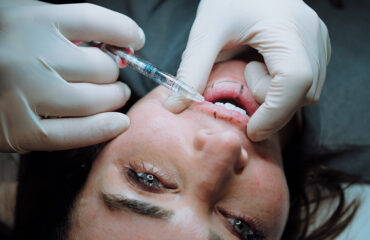
The injection process involves multiple small injections using a fine needle. The practitioner maintains consistent depth to ensure product remains in the dermal layer where it improves skin quality. Each injection delivers a small amount of product that disperses within the tissue. The systematic pattern continues until the entire treatment area has received appropriate coverage.
Patients generally describe the sensation as multiple small pinches or stings. The topical numbing cream and lidocaine within Skinvive minimize discomfort, but the under eye area remains sensitive, and some discomfort is typical. The treatment generally takes 15-30 minutes depending on the area being covered and individual anatomy. Communication with your practitioner about comfort levels allows for adjustments if needed.
Immediate post-injection, the practitioner may gently massage the treatment area to encourage even product distribution. Ice or cold compresses help minimize swelling and provide comfort. You receive specific aftercare instructions covering activity restrictions, skincare, and signs of potential complications requiring immediate attention. Most patients can return to normal activities immediately, though visible swelling and injection marks require consideration for social plans.
Immediate Post-Treatment Appearance
Immediately following Skinvive injection, the under eye area typically appears swollen, red, and marked with small injection points. This appearance results from the injection process itself, the volume of product and numbing cream, and the tissue’s inflammatory response to needle trauma. The degree of immediate reaction varies among individuals based on skin sensitivity, injection technique, and individual healing characteristics.
Swelling usually appears most prominent in the first 24-48 hours after treatment. The under eye area has loose skin and minimal underlying support, making it prone to fluid accumulation. The swelling may appear asymmetric, with one side more affected than the other. This asymmetry typically resolves as swelling subsides and does not indicate uneven product placement or final results.
Bruising occurs in some patients depending on individual factors and whether small blood vessels were disrupted during injection. The under eye area’s extensive vascular network increases bruising likelihood. Bruises typically appear as small spots at injection sites or larger areas if bleeding was more extensive. The bruising follows predictable color changes—red initially, then purple, green, yellow—as the body metabolizes blood products, usually resolving within 7-10 days.
The injection marks themselves—small red dots where the needle entered skin—typically fade within a few hours to a day. These marks represent minor trauma to the skin surface and heal quickly in most patients. Applying makeup over these marks is generally discouraged for at least 12-24 hours to reduce infection risk and allow the injection sites to seal completely.
The immediate post-treatment appearance does not reflect final results. The swelling, redness, and injection marks obscure the actual effect of the treatment. Patients should plan for several days of social downtime if they prefer not to appear publicly with visible treatment effects. The gradual development of actual results means the immediate appearance provides no indication of the eventual outcome.
Timeline for Visible Results
Skinvive results develop gradually over several weeks as the hyaluronic acid attracts water and tissue hydration improves. This timeline differs significantly from traditional fillers, which produce immediate contour changes visible once swelling resolves. Understanding this gradual development prevents premature judgment about treatment effectiveness and sets appropriate expectations.
During the first week post-treatment, the primary visible changes involve resolution of immediate injection effects. Swelling subsides, bruising fades, and the skin returns to its baseline appearance. Many patients report the area looks similar to or slightly worse than pre-treatment during this initial healing phase. This temporary appearance does not indicate treatment failure but rather the normal healing process.
Weeks two through four typically mark the beginning of visible improvement. Patients often notice the skin feels softer and more hydrated before visible changes become apparent. Fine lines may appear slightly diminished, and the overall texture begins smoothing. These early improvements remain subtle and may not be obvious to others, though patients examining their skin closely often detect positive changes.
Optimal results generally develop around four to six weeks post-treatment. By this point, the hyaluronic acid has fully integrated into the tissue, achieved maximum hydration effect, and any residual inflammation has completely resolved. The skin texture, smoothness, and fine line appearance reach their peak improvement. This represents the appropriate time for follow-up evaluation and assessment photography to document results.
Results typically maintain for approximately six months before gradually declining as the hyaluronic acid degrades. The decline occurs slowly rather than suddenly—patients don’t wake up one day with results completely gone. Instead, they notice the gradual return of previous texture and fine line concerns. Many patients schedule maintenance treatments before complete resolution to maintain consistent improvement rather than cycling between treated and untreated states.
Individual timelines vary based on factors including metabolism, lifestyle, skin characteristics, and the severity of initial concerns. Some patients notice improvement earlier or maintain results longer than the typical timeline. Your aesthetic doctor monitors your response and adjusts retreatment schedules based on your individual experience rather than applying a rigid timeline to all patients.
Skinvive Results: What Patients Typically Experience
Clinical experience with Skinvive reveals consistent patterns in patient outcomes, though individual results vary based on starting concerns, skin characteristics, and treatment execution. Understanding typical results helps set appropriate expectations and determine whether the expected improvement justifies the investment.
Improvements in Skin Texture and Smoothness
The most consistent improvement patients report involves enhanced skin texture and smoothness in the treated area. The under eye skin feels softer to touch and appears more refined upon close examination. The rough, irregular texture that characterized the area before treatment becomes smoother and more uniform. This improvement results directly from enhanced dermal hydration that plumps the tissue and reduces surface irregularities.
Patients often describe the skin as feeling more supple and resilient. The papery, fragile quality that develops with age and dehydration improves as the tissue regains moisture. The skin appears healthier overall, with a subtle glow that reflects improved tissue quality. These changes may seem minor individually but combine to create a more youthful, refreshed appearance.
The improvement in light reflection contributes significantly to the overall aesthetic enhancement. Dehydrated, textured skin scatters light unevenly, creating a dull appearance. Hydrated, smooth skin reflects light more uniformly, contributing to a luminous quality. This change in how light interacts with the skin surface makes the under eye area appear brighter and more vibrant without addressing pigmentation or vascular issues.
The texture improvement proves particularly noticeable when wearing makeup. Foundation and concealer apply more smoothly over hydrated, even-textured skin rather than settling into fine lines and emphasizing crepiness. Many patients report improved makeup application and longer-lasting coverage as a practical benefit of treatment. This functional improvement often matters as much as the aesthetic enhancement for patients who regularly wear makeup.
The degree of texture improvement correlates with the severity of initial concerns. Patients with mild texture issues may notice subtle refinement, while those with significant crepiness often experience more dramatic improvement. However, even significant crepiness typically shows improvement rather than complete resolution. Setting expectations for enhancement rather than perfection prevents disappointment and reflects the realistic capabilities of the treatment.
Changes in Fine Lines and Crepiness
Fine lines in the under eye area typically appear softer and less prominent after Skinvive treatment. The improved dermal hydration reduces the depth of these lines and makes them less visible under various lighting conditions. Dynamic lines that appear with facial expressions may remain but appear less etched when the face is at rest. This improvement results from the skin’s enhanced ability to maintain smooth contours rather than folding deeply into established crease patterns.
Crepiness—the characteristic wrinkling that resembles crinkled tissue paper—responds particularly well to Skinvive’s hydration mechanism. The multiple fine wrinkles that create this appearance become less prominent as the underlying tissue plumps with enhanced moisture. The skin maintains a smoother surface even during movement and expression. While significant crepiness rarely resolves completely, the improvement often proves meaningful to patients who have struggled with this concern.
The improvement in fine lines and crepiness develops gradually and may fluctuate based on hydration status, sleep quality, and environmental factors. Patients may notice the improvement appears more pronounced on days when they’re well-rested and hydrated, less obvious when fatigued or dehydrated. This variability reflects the treatment’s mechanism—it improves the skin’s baseline quality but doesn’t eliminate the impact of other factors on appearance.
Certain types of lines respond better than others to Skinvive. Fine lines caused primarily by dehydration and skin quality deterioration show the most improvement. Deeper lines resulting from significant volume loss or repeated muscle movement show less response because these concerns require different treatment mechanisms. Understanding which factors contribute to your specific lines helps predict the degree of improvement Skinvive can provide.
Patients should recognize that Skinvive does not prevent new lines from forming or existing lines from deepening over time. The treatment improves current appearance but does not stop the aging process. Ongoing treatments maintain the improvement, but the underlying aging continues. Realistic expectations include understanding that Skinvive enhances current skin quality rather than permanently reversing aging or preventing future changes.
Duration of Results and Maintenance Approach
Skinvive results typically last approximately six months, though individual duration varies based on multiple factors. Metabolism plays a significant role—patients with faster metabolic rates may degrade the hyaluronic acid more quickly, resulting in shorter result duration. Lifestyle factors including sun exposure, smoking, and overall health status also influence how long improvements persist.
The gradual decline in results occurs as the body’s natural hyaluronidase enzymes break down the injected hyaluronic acid. This degradation happens continuously from the time of injection, though results typically maintain at their peak for several months before decline becomes noticeable. The breakdown products are naturally processed and eliminated by the body, leaving no residue once the hyaluronic acid is completely degraded.
Many patients adopt a maintenance schedule of treatments every six months to sustain consistent results. This approach prevents complete return to baseline appearance and maintains the improved skin quality achieved with initial treatment. Some practitioners suggest that regular treatments may provide cumulative benefits, potentially improving the skin’s natural function over time, though this remains an area of ongoing clinical observation.
The investment required for maintenance deserves consideration when evaluating whether Skinvive aligns with your goals and budget. Unlike one-time treatments that provide permanent results, Skinvive requires ongoing commitment to maintain improvements. Patients should calculate the annual investment rather than considering only the initial treatment cost when determining whether this approach fits their aesthetic priorities and financial situation.
Some patients choose to treat initially with Skinvive, then transition to less frequent maintenance or alternative approaches once they achieve desired improvement. Others incorporate Skinvive into a comprehensive skincare and treatment plan that includes multiple modalities addressing different aspects of aging. Your aesthetic doctor can help develop a long-term strategy that balances results, maintenance requirements, and investment considerations based on your individual goals and circumstances.
Combining Skinvive With Other Under Eye Treatments
Skinvive often proves most effective as part of a comprehensive treatment approach addressing multiple aspects of under eye aging. The treatment improves skin quality but does not address volume loss, pigmentation, or other concerns that contribute to aged appearance. Combining Skinvive with complementary treatments allows for more complete rejuvenation than any single modality provides.
Traditional volumizing filler combined with Skinvive addresses both structural deficits and skin quality concerns. The filler restores volume and fills hollows, while Skinvive improves the texture and appearance of the skin overlying the treated area. This combination proves particularly effective for patients with moderate volume loss and significant skin quality issues. The treatments are typically performed during the same session, with filler placed first in deeper planes, followed by Skinvive in the superficial dermis.
Laser treatments targeting pigmentation can complement Skinvive for patients with dark circles caused by melanin deposits. The laser addresses the color concern while Skinvive improves texture and fine lines. These treatments are usually spaced apart to allow healing between procedures and avoid overwhelming the delicate under eye tissue with multiple simultaneous interventions.
Radiofrequency or ultrasound-based skin tightening treatments address laxity that Skinvive cannot improve. For patients with both loose skin and texture concerns, combining these modalities provides more comprehensive improvement. The tightening treatment addresses structural laxity while Skinvive enhances skin quality, together creating a more youthful appearance than either treatment alone.
Neuromodulators like Botox treat dynamic wrinkles around the eyes that result from muscle movement. Combining these with Skinvive addresses both the muscle-driven lines and the skin quality issues that make static lines more prominent. This combination proves particularly effective for comprehensive periorbital rejuvenation in patients with multiple contributing factors to their aged appearance.
The timing and sequencing of combination treatments require professional planning to ensure safety and optimal results. Some treatments should be spaced apart to allow healing, while others can be performed simultaneously. Your aesthetic doctor develops a treatment plan that sequences interventions appropriately based on your specific concerns, the treatments being combined, and your healing capacity and schedule constraints.
Safety Considerations and Potential Side Effects
While Skinvive is generally well-tolerated, understanding potential side effects and safety considerations allows patients to make informed decisions and recognize when post-treatment experiences require professional attention.
Common Temporary Effects After Treatment
Swelling represents the most common post-treatment effect, occurring to some degree in virtually all patients. The under eye area’s anatomy makes it prone to fluid accumulation, and the injection process triggers inflammatory responses that contribute to swelling. Most swelling resolves within 24-48 hours, though some patients experience persistent mild swelling for up to a week. Cold compresses, head elevation during sleep, and avoiding activities that increase blood flow to the face help minimize swelling.
Bruising occurs in approximately 20-40% of patients, though rates vary based on individual factors and injector technique. The extensive vascular network beneath the under eye skin increases the likelihood of disrupting small blood vessels during injection. Bruising typically appears within hours of treatment and resolves over 7-10 days as the body metabolizes blood products. Avoiding blood-thinning medications and supplements before treatment reduces bruising risk, though this requires coordination with healthcare providers for prescription medications.
Redness at injection sites is normal and typically resolves within hours. This represents minor trauma to the skin surface and the body’s immediate inflammatory response. The redness may be more pronounced in patients with sensitive skin or rosacea. Gentle skincare and avoiding irritating products help minimize prolonged redness.
Tenderness in the treated area is common for several days post-treatment. The tissue has experienced trauma from multiple needle insertions and is adapting to the presence of injected product. The tenderness typically feels like a mild bruise and resolves as healing progresses. Over-the-counter pain relievers can provide comfort if needed, though most patients find the discomfort manageable without medication.
Small bumps or irregularities may be palpable immediately after treatment as the product settles and distributes within the tissue. These typically resolve within a few days as the hyaluronic acid disperses and integrates. Persistent lumps beyond a week warrant evaluation by your practitioner to determine whether massage or other intervention is needed.
Why Skinvive Has Lower Risk of Tyndall Effect
The Tyndall effect—a bluish discoloration that sometimes occurs with hyaluronic acid fillers—results when clear gel placed too superficially scatters light in a way that appears blue. This optical phenomenon proves particularly problematic in the under eye area where the skin is thin and any discoloration is highly visible. Traditional fillers placed incorrectly in superficial planes can create this undesirable blue tint that proves difficult to resolve.
Skinvive’s microdroplet technique reduces Tyndall effect risk because the product is distributed in tiny amounts throughout the tissue rather than placed as concentrated gel deposits. The dispersed placement prevents the accumulation of product in any single location that could scatter light and create visible discoloration. Each microdroplet is small enough that it integrates into tissue without creating the optical conditions necessary for Tyndall effect.
The formulation of Skinvive also contributes to lower Tyndall risk. The product is designed to integrate within the dermal tissue rather than maintain a cohesive gel structure. This integration prevents the distinct product-tissue interface that contributes to light scattering. The hyaluronic acid essentially becomes part of the tissue rather than existing as a separate entity within it.
The superficial placement depth of Skinvive, while seemingly counterintuitive, actually reduces Tyndall risk when executed properly. The microdroplets are placed within the dermis where they improve skin quality, but the distributed technique prevents any single area from accumulating enough product to create visible discoloration. Proper technique remains essential—overly superficial placement or excessive product in any location could still create visible irregularities.
Despite the lower risk, the Tyndall effect remains possible if technique errors occur or if individual anatomy proves unfavorable. Patients with extremely thin skin or unusual tissue characteristics may be more susceptible. Your practitioner assesses these risk factors during consultation and adjusts technique or recommends alternative treatments if your anatomy suggests increased risk.
Who Should Avoid Skinvive Under Eye Treatment
Certain medical conditions contraindicate Skinvive treatment. Active skin infections or inflammatory conditions in the treatment area require resolution before proceeding with injection. Introducing product into infected or inflamed tissue increases complication risk and may worsen the underlying condition. Treatment should be postponed until the skin has fully healed.
Patients with known hypersensitivity to hyaluronic acid or lidocaine should not receive Skinvive, as the product contains both components. While true allergy to hyaluronic acid is rare due to its natural presence in human tissue, sensitivity reactions can occur. History of allergic reaction to any injectable hyaluronic acid product represents a contraindication to treatment.
Certain autoimmune conditions may increase complication risk or affect healing. Patients with active autoimmune disease should discuss treatment with both their aesthetic provider and the physician managing their autoimmune condition. The decision to proceed requires weighing potential benefits against increased risks in the context of overall health status and disease activity.
Pregnancy and breastfeeding represent contraindications to elective aesthetic treatments including Skinvive. While no evidence suggests harm to developing fetuses or nursing infants, the lack of safety data in these populations makes treatment inadvisable. Patients should postpone treatment until after pregnancy and breastfeeding are complete.
Patients taking anticoagulation medications face increased bruising risk and should discuss treatment timing with their prescribing physician. Some patients can safely pause anticoagulation for procedures, while others cannot due to their underlying medical condition. The decision requires coordination between healthcare providers and should never be made unilaterally by the patient or aesthetic provider.
Unrealistic expectations or poor understanding of treatment capabilities represent relative contraindications. Patients who expect dramatic transformation or believe Skinvive will address concerns outside its mechanism should not proceed until education corrects these misunderstandings. Treatment should only occur when patients demonstrate realistic expectations aligned with what Skinvive can actually achieve.
The Importance of Choosing an Experienced Injector
The injector’s skill and experience significantly impact both safety and results with Skinvive treatment. The under eye area presents unique anatomical challenges that require thorough understanding of facial anatomy, precise injection technique, and experience managing the specific concerns that arise in this delicate region. Choosing an experienced injector reduces complication risk and increases the likelihood of achieving desired results.
Anatomical knowledge proves essential for safe under eye injection. The region contains important vascular structures, and while Skinvive’s superficial placement reduces risk of serious vascular complications, thorough anatomical understanding remains critical. Experienced injectors recognize anatomical variations, identify high-risk areas, and modify technique based on individual anatomy to maximize safety.
Technical skill in executing the microdroplet technique determines result quality. Consistent depth, appropriate product distribution, and systematic coverage require practice and refined technique. Inexperienced injectors may place product unevenly, inject too superficially or deeply, or fail to achieve adequate coverage. These technical errors compromise results and may create visible irregularities requiring correction.
Experience managing complications and side effects proves valuable when issues arise. Even with perfect technique, individual patient responses vary, and unexpected reactions occur. Experienced injectors recognize complications early, know appropriate management strategies, and maintain relationships with other specialists for complex issues requiring additional expertise.
Aesthetic judgment separates adequate from excellent results. Experienced injectors assess the under eye area in context of the entire face, recognize when Skinvive represents the appropriate treatment versus when alternative approaches better serve the patient, and develop comprehensive treatment plans that address multiple contributing factors to aged appearance. This holistic approach produces more natural, harmonious results than treating the under eye area in isolation.
Credentials, training, and experience should be verified before selecting an injector. Board certification in relevant specialties, specific training in aesthetic injections, and substantial experience with under eye treatments indicate appropriate qualifications. Patient reviews and before-after photographs provide insight into the injector’s aesthetic sensibility and result consistency. Consultation allows assessment of the injector’s communication style, willingness to discuss risks and limitations, and whether their approach aligns with your preferences and comfort level.
Making the Right Choice: Is Skinvive Right for Your Under Eye Concerns
Determining whether Skinvive represents the appropriate treatment for your under eye concerns requires honest assessment of your primary issues, realistic expectations about results, and understanding of the investment required for initial treatment and ongoing maintenance.
Assessing Your Primary Under Eye Concern
Identifying your primary concern determines whether Skinvive addresses your needs or whether alternative treatments better suit your goals. Stand in natural lighting and examine your under eye area critically. What bothers you most? Crepey, textured skin suggests Skinvive may help. Deep hollows and shadows indicate traditional filler may be more appropriate. Dark circles require investigation into whether pigmentation, vascular issues, or shadowing from hollows causes the discoloration.
Consider whether your concerns involve skin quality or structural issues. Skin quality problems—texture, fine lines, crepiness—respond to Skinvive’s hydration mechanism. Structural problems—hollows, volume loss, bags—require different approaches. Many patients have both types of concerns, making combination treatments more effective than any single modality.
Evaluate your concerns in the context of your overall facial aging. Do your under eye issues exist in isolation, or do you have multiple areas of concern? Comprehensive facial rejuvenation often produces more harmonious results than treating a single area. Your aesthetic doctor can help you understand how under eye treatment fits into a broader plan addressing your overall appearance goals.
Consider the progression of your concerns. Are they stable, slowly worsening, or rapidly deteriorating? Understanding the trajectory helps determine treatment urgency and whether preventive approaches make sense. Younger patients with early signs of crepiness might benefit from Skinvive as a preventive measure, while older patients with advanced concerns may need more aggressive intervention.
Realistic self-assessment proves essential. Photographs taken in consistent lighting help objective evaluation. Compare current appearance to photographs from several years ago to understand how your under eye area has changed. This historical perspective clarifies whether your concerns are recent developments or long-standing issues, information that helps guide treatment selection.
Investment Considerations and Treatment Value
Skinvive requires ongoing investment to maintain results, making the financial commitment extend beyond initial treatment cost. Calculate the annual expense of treatments every six months to understand the true investment. Compare this to alternative treatments that may have different cost structures—some more expensive initially but longer-lasting, others less expensive but requiring more frequent retreatment.
Consider the value proposition beyond simple cost. What would improved under eye appearance be worth to you? How much time do you spend trying to camouflage concerns with makeup? Would you feel more confident without constant self-consciousness about your under eye area? These subjective value considerations matter as much as objective cost when determining whether treatment represents a worthwhile investment.
The opportunity cost deserves consideration. Money spent on Skinvive cannot be spent on other treatments, skincare, or non-aesthetic priorities. Does addressing under eye concerns rank highly enough among your priorities to justify this allocation of resources? Only you can answer this question based on your values and circumstances.
Some patients find value in starting with a single treatment to assess their response before committing to ongoing maintenance. This approach allows you to experience results, evaluate whether the improvement justifies the investment, and make an informed decision about continuing. While this costs more per treatment than package pricing, it reduces the financial risk of committing to multiple treatments before knowing whether you’ll be satisfied.
Insurance does not cover cosmetic treatments like Skinvive, making this an out-of-pocket expense. Some practices offer financing options that spread payments over time, making treatment more accessible. However, financing adds interest costs that increase the total investment. Understanding the full financial picture, including any financing charges, prevents surprises and ensures the decision aligns with your budget.
Questions to Ask During Your Consultation
Your consultation provides the opportunity to gather information necessary for informed decision-making. Prepare questions in advance to ensure you address all concerns. Ask about the practitioner’s specific experience with Skinvive in the under eye area—how many treatments they’ve performed, what results patients typically experience, and what complications they’ve encountered and how they were managed.
Inquire about why the practitioner recommends Skinvive for your concerns versus alternative treatments. Understanding their reasoning helps you evaluate whether the recommendation aligns with your goals and whether they’ve thoroughly assessed your individual situation. Ask what results you specifically can expect given your anatomy and concerns—not what results are possible generally, but what you personally should anticipate.
Discuss the treatment plan in detail. How much product will be used? What specific areas will be treated? Will treatment occur in one session or multiple sessions? What does the timeline look like from initial treatment through optimal results? Understanding the complete plan prevents surprises and ensures you can commit to the full process.
Ask about the practitioner’s complication management approach. What happens if you experience side effects or are unsatisfied with results? What is the policy on touch-up treatments? How accessible is the practitioner if concerns arise after treatment? Understanding the support available post-treatment provides reassurance and indicates the practitioner’s commitment to patient care.
Inquire about alternative or complementary treatments. What else might address your concerns? Would combining Skinvive with other treatments provide better results? What would the practitioner do if this were their own under eye area? These questions reveal whether the practitioner thinks comprehensively about your concerns or simply promotes a single treatment approach.
Request to see before-after photographs of patients with similar concerns and anatomy. While every patient’s results differ, photographs from similar cases provide realistic expectations about potential outcomes. Ask about the timing of after photographs—were they taken at optimal results or earlier? Understanding the timeline helps you evaluate what you’re seeing.
The Future of Under Eye Rejuvenation: Beyond One-Size-Fits-All
The introduction of Skinvive represents a broader shift in aesthetic medicine toward personalized treatment approaches that address individual aging patterns rather than applying standardized protocols to all patients. This evolution recognizes that under eye aging manifests differently across individuals and requires customized solutions.
Personalized Treatment Plans for Individual Aging Patterns
Modern under eye rejuvenation increasingly emphasizes thorough assessment of multiple contributing factors rather than defaulting to a single treatment approach. Practitioners evaluate skin quality, volume status, pigmentation, vascular issues, and structural anatomy to understand the unique combination of factors creating each patient’s appearance. This comprehensive assessment allows development of personalized treatment plans addressing the specific concerns most relevant to individual patients.
The recognition that different aging patterns require different solutions moves the field away from one-size-fits-all approaches. A patient with excellent volume but poor skin quality needs different treatment than someone with deep hollows and good skin texture. Skinvive provides an option for the first patient that didn’t exist when traditional volumizing fillers were the only choice. This expanded treatment menu allows better matching of intervention to need.
Combination approaches increasingly represent the standard of care for comprehensive under eye rejuvenation. Rather than relying on a single treatment to address all concerns, practitioners develop multi-modal plans that tackle different aspects of aging with appropriate interventions. This might include traditional filler for volume, Skinvive for skin quality, laser for pigmentation, and skincare for maintenance—each component addressing specific concerns that others cannot improve.
The timing and sequencing of treatments in personalized plans requires strategic planning. Some interventions should occur first to establish foundation, while others refine results achieved with initial treatments. Some can be performed simultaneously, while others require spacing to allow healing. Experienced practitioners develop treatment timelines that optimize results while respecting tissue tolerance and patient schedules.
Patient involvement in treatment planning has increased as education improves and information becomes more accessible. Informed patients participate in decision-making, expressing preferences about which concerns matter most and what level of intervention aligns with their comfort and goals. This collaborative approach produces treatment plans that reflect patient values rather than practitioner preferences alone.
How Skinvive Fits Into Comprehensive Under Eye Care
Skinvive occupies a specific niche in comprehensive under eye care, addressing skin quality concerns that complement rather than replace other treatment modalities. Understanding this role helps integrate Skinvive appropriately into broader treatment strategies rather than viewing it as a standalone solution for all under eye aging.
For patients in early stages of under eye aging, Skinvive may serve as a preventive treatment that maintains skin quality before significant deterioration occurs. Starting treatment when concerns are mild potentially slows progression and delays the need for more aggressive interventions. This preventive approach appeals to patients who want to maintain their appearance rather than correct advanced aging.
In patients with multiple concerns, Skinvive typically functions as one component of a comprehensive plan. It addresses the skin quality dimension while other treatments tackle volume, pigmentation, or laxity. This multi-modal approach produces more complete rejuvenation than any single treatment achieves, with each component contributing to overall improvement.
Skinvive may serve as a maintenance treatment for patients who have achieved desired results with other interventions. After using traditional fillers to restore volume, ongoing Skinvive treatments maintain skin quality and potentially extend the aesthetic benefit of the volumizing treatment. This maintenance approach helps sustain results and may reduce the frequency of more invasive interventions.
The treatment also functions as a bridge for patients not yet ready for traditional fillers but wanting to address early concerns. Younger patients or those hesitant about volumizing treatments may start with Skinvive to improve skin quality, then progress to additional treatments if needed as aging continues. This graduated approach allows patients to ease into aesthetic treatments rather than committing immediately to more aggressive interventions.
Long-term, Skinvive fits into ongoing aesthetic maintenance programs that view facial rejuvenation as a continuous process rather than isolated interventions. Regular treatments maintain skin quality, while periodic reassessment identifies new concerns requiring additional or different approaches. This maintenance mindset prevents dramatic deterioration and keeps appearance relatively stable over time rather than cycling between untreated aging and periodic correction.
—
Frequently Asked Questions
Q: How is Skinvive different from regular under eye filler?
A: Skinvive uses hyaluronic acid in a microdroplet technique to hydrate and improve skin quality from within, rather than adding volume to hollow areas like traditional fillers. It addresses texture, crepiness, and fine lines through enhanced skin hydration, not structural changes. The injection technique and product formulation are specifically designed for improving skin quality rather than filling volume deficits.
Q: Will Skinvive get rid of my under eye bags?
A: No, Skinvive does not address true under eye bags or significant volume loss. It improves skin texture, hydration, and fine lines but cannot lift sagging skin or fill deep hollows. Patients with prominent bags or severe volume loss typically require traditional fillers, surgical options, or alternative treatments depending on the underlying cause.
Q: How long does Skinvive last under the eyes?
A: Clinical experience suggests Skinvive results typically last approximately 6 months in the under eye area. Individual duration varies based on factors like metabolism, lifestyle, and skin characteristics. Many patients choose to maintain results with repeat treatments twice yearly, though your aesthetic doctor will recommend a schedule based on your response.
Q: Is Skinvive painful when injected under the eyes?
A: The under eye area is sensitive, and patients generally experience some discomfort during Skinvive injections. Most practitioners apply topical numbing cream before treatment, and Skinvive contains lidocaine to minimize discomfort. The microdroplet technique involves multiple small injections rather than deep placement, which many patients find more tolerable than traditional filler injections.
Q: Can Skinvive cause the bluish tint that sometimes happens with under eye filler?
A: Skinvive has a lower risk of causing Tyndall effect (bluish discoloration) because it’s injected in tiny droplets throughout the skin rather than as a concentrated gel in one area. The superficial placement and dispersed technique reduce the likelihood of visible product accumulation that creates the bluish appearance sometimes seen with traditional fillers placed too superficially.
Q: What does the under eye area look like immediately after Skinvive?
A: Immediately after treatment, patients typically experience swelling, redness, and small injection marks under the eyes. Some bruising may occur depending on individual factors. The area may appear puffy for 24-48 hours, and patients should expect several days of visible healing before social activities. Results develop gradually over the following weeks as swelling resolves and hydration effects build.
Q: Am I too young or too old for Skinvive under my eyes?
A: Skinvive suitability depends more on your specific under eye concerns than age. Younger patients with early signs of crepiness or texture issues may be excellent candidates, while older patients with significant volume loss might need traditional fillers instead. A professional assessment of your skin quality, volume status, and aging pattern determines candidacy better than age alone.
Q: Can I combine Skinvive with other under eye treatments?
A: Many patients benefit from combining Skinvive with complementary treatments addressing different aspects of under eye aging. Skinvive may be used alongside traditional fillers for volume, laser treatments for pigmentation, or radiofrequency for skin tightening. Your aesthetic doctor will create a comprehensive treatment plan based on your multiple concerns, though treatments are typically spaced appropriately for safety and optimal results.
Q: How do I know if I need Skinvive or traditional filler for my under eyes?
A: The decision depends on your primary concern: if you have skin quality issues like crepiness, fine lines, and texture problems with adequate volume, Skinvive may be ideal. If you have hollowing, deep tear troughs, or significant volume loss, traditional filler is typically more appropriate. Many patients have both concerns and benefit from combination approaches, which your aesthetic doctor can determine during consultation.
Q: What should I avoid after getting Skinvive under my eyes?
A: After Skinvive treatment, patients generally avoid strenuous exercise, alcohol, excessive heat exposure, and blood-thinning medications for 24-48 hours to minimize swelling and bruising. Avoid touching or massaging the treated area, sleeping face-down, and wearing makeup for at least 12-24 hours. Your practitioner will provide specific aftercare instructions based on your treatment and individual factors.