Timing skin boosters correctly before the festive season means starting your consultation six to eight weeks ahead, understanding that visible improvement develops gradually and that any post-treatment downtime needs to be factored into your calendar.
- Skin boosters are hyaluronic acid-based bio-remodelling treatments that improve hydration, skin texture, and elasticity over several weeks, not overnight.
- There are two main types: one requiring two sessions four weeks apart, and one typically completed in a single session. Your assessment determines which is appropriate for you.
- Small visible bumps at the injection points are normal for 12 to 24 hours. Bruising varies by person and can last anywhere from four to twelve days.
- The festive season in Cape Town brings heat, UV exposure, and late nights, all of which make pre-season skin preparation more relevant, not less.
- Starting your consultation at least six to eight weeks before your key event gives the treatment time to work and allows for any bruising to settle well before the occasion.
Skin boosters, a category of bio-remodelling treatments using hyaluronic acid, require careful timing before the festive season. Depending on the type, you may need two sessions four weeks apart, with effects developing over several weeks. Starting six to eight weeks before your event gives the best opportunity for visible improvement by the time it matters.
You have a function in six weeks. Your skin looks tired, a little dull, and no amount of good foundation is quite fixing it. You have been meaning to do something about it for months, and now the festive season is suddenly close enough to feel urgent. This is exactly the moment most people start researching skin boosters, and it is also, honestly, the moment where timing starts to matter enormously.
Skin boosters, a category of bio-remodelling treatments using hyaluronic acid, require careful timing before the festive season. Depending on the type, you may need two sessions four weeks apart, with effects developing over several weeks. Starting six to eight weeks before your event gives the best opportunity for visible improvement by the time it matters.
This guide walks through what skin boosters actually do, the two main types and how they differ, realistic downtime expectations, and how to build a preparation timeline that works around your December calendar. It is written for anyone who wants to understand the process properly before committing to anything, which is exactly the right approach.
Why the Festive Season Is the Worst Time to Start Thinking About Your Skin
Most people arrive at a skin consultation in November or early December with a specific event in mind and a tight window to work with. The irony is that the festive season, with all its social pressure to look well-rested and radiant, is also the period when skin tends to look its least cooperative.
What Tired-Looking and Dehydrated Skin Actually Signals
Skin that looks dull, crepey, or flat is not simply a cosmetic inconvenience. It often signals a genuine reduction in the skin’s capacity to retain moisture and produce the structural proteins, collagen and elastin, that keep it looking plump and resilient. This is a gradual process. It does not happen overnight, and it cannot be corrected overnight either.
When your skin looks tired despite adequate sleep and a reasonable skincare routine, it is worth asking whether the products you are using are addressing the surface while the underlying skin quality is quietly declining. Skin boosters work at a deeper level, improving the skin’s own hydration capacity and stimulating structural renewal from within. But that process takes time, which is why the festive season is the worst possible moment to start the conversation and the best possible moment to wish you had started it earlier.
How Cape Town’s Summer Conditions Affect Skin Quality
Cape Town’s December and January bring intense UV exposure, heat, and often a social schedule that involves late nights, alcohol, and less consistent skincare. Each of these factors places additional demand on skin that may already be showing signs of dehydration or reduced resilience.
UV exposure in particular accelerates the breakdown of collagen and impairs the skin’s ability to retain moisture. If you are spending time outdoors at the beach or attending garden events, your skin is working harder to cope with environmental stress at exactly the moment you want it to look its best. Pre-season skin preparation, rather than reactive treatment in the thick of December, gives your skin the best chance of handling that pressure well.
What Skin Boosters Are and How Bio-Remodelling Works
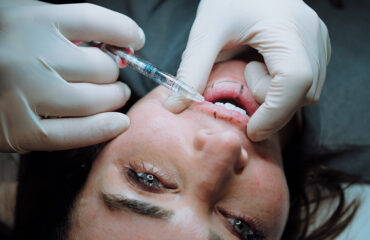
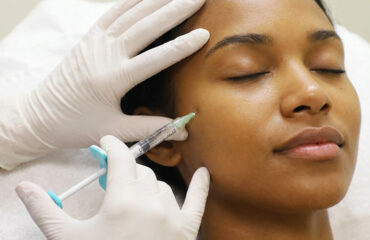
Skin boosters are hyaluronic acid-based bio-remodelling treatments that improve hydration, skin texture, and elasticity over several weeks, not overnight. They are injected into the skin at multiple points across the face (and sometimes the neck, décolletage, or hands) to stimulate the skin’s own renewal processes rather than simply adding volume.
Type A: Hybrid Hyaluronic Acid Bio-Remodelling
This type uses a hybrid formulation of hyaluronic acid that works by stimulating the skin’s production of collagen and elastin, remodelling skin quality from within. The course involves two sessions four weeks apart, with effects continuing to develop in the weeks following the second session. Improvement in skin texture, hydration, and firmness typically becomes most visible around four to six weeks after completing the course.
Effects generally last around six months, after which a single maintenance session is recommended to sustain the improvement.
Type B: Microdroplet Hyaluronic Acid Skin Booster
This type is delivered in fine microdroplets across the skin and contains a local anaesthetic to improve comfort during treatment. It is typically completed in a single session, though more complex cases may benefit from a second session four to six weeks later. Effects generally last around nine months, with a single maintenance session at that interval.
The microdroplet approach improves skin hydration, texture, and radiance, and is particularly well suited to skin that needs surface-level quality improvement alongside deeper structural support.
What Skin Boosters Can and Cannot Address
Skin boosters improve overall skin quality: hydration, texture, elasticity, and a degree of radiance. They are not a substitute for treatments that address structural volume loss, significant skin laxity, or pigmentation concerns. If your skin has sun damage, uneven texture, or concerns that go beyond hydration and quality, a detailed assessment may identify additional treatments, such as microneedling with Dermapen 4, that work alongside skin boosters as part of a broader protocol. Understanding what a treatment can and cannot do is the foundation of a realistic plan.
Building Your Festive Season Skin Preparation Timeline
The most common mistake people make is leaving skin preparation until four weeks before a key event and then discovering that the treatment they need requires more time than that. Planning backwards from your most important occasion is the most practical way to approach this.
The Eight-Week Window: Why Earlier Is Almost Always Better
If you are considering a Type A bio-remodelling treatment that requires two sessions four weeks apart, you need to begin at least eight weeks before your target event. That accounts for the gap between sessions and allows the effects, which develop gradually over the following weeks, to be visible by the time you need them. Beginning ten weeks out is more comfortable still, giving you a buffer if anything needs adjusting.
For a Type B single-session skin booster, the timeline is more forgiving, but starting six weeks before your event is still sensible: results can be visible from four weeks, with the best results between six and eight weeks. This gives the treatment time to take full effect and allows any bruising, which can take ten to twelve days to settle in some people, to resolve without any last-minute anxiety.
As a practical guide:
- Ten to twelve weeks before: ideal starting point for a two-session bio-remodelling course
- Eight weeks before: the minimum for a two-session course if you want comfortable timing
- Six weeks before: sensible for a single-session skin booster
- Four weeks before: a single-session skin booster is still realistic. Results can be visible from four weeks, with the best results between six and eight weeks
- Less than two weeks before: bruising, which usually settles within two weeks, may still be visible on the day, so treatment is usually better left until after the event.
What Happens If You Leave It Too Late?
If you arrive at a consultation four weeks before a key event, a single-session skin booster is still a realistic option, with results developing over the following weeks. Starting a two-session bio-remodelling course at that point means the second session falls close to your event, with the best results arriving about four weeks after it. In that case your practitioner may recommend beginning the course after the season, which is not a failure of planning but a sensible clinical decision. Within two weeks of an event, the main consideration is bruising, which usually settles within two weeks but may still be visible on the day.
Understanding Downtime Honestly: What to Expect After a Skin Booster Treatment
Skin boosters are not a walk-in, walk-out treatment with zero visible signs. Understanding what to expect, and what varies between people, helps you plan your calendar without unpleasant surprises.
Bumps, Bruising, and the Variables You Need to Know About
Both types of skin booster leave small raised bumps at the injection points immediately after treatment. With a fine needle, these typically settle within 24 hours. With a micro-cannula (used for the microdroplet type), you may notice mild swelling for 12 to 24 hours instead.
Bruising is the variable that most people underestimate. It is not determined by the treatment itself but by your individual physiology, skin thickness, and any blood-thinning medications or supplements you take. For some people, bruising settles within four to five days. For others, it can take ten to twelve days to fully resolve. Both are within the normal range.
If you take blood-thinning medication or supplements, including common ones such as aspirin, fish oil, or vitamin E, mention this at your assessment. Your practitioner will help you understand how this might affect your experience and discuss timing accordingly. Never stop prescribed medication without medical advice.
Aftercare on Treatment Day and What You Can Do Straight Away
The aftercare requirements for skin boosters are minimal and apply only to the day of treatment. You should avoid makeup, hot rooms, saunas, and active sun tanning on the day itself. Normal daily activities, including exercise, can resume immediately. From the following day, you can return to your full skincare routine and wear makeup as usual. This is one of the reasons skin boosters suit people with busy schedules, provided the timing is planned sensibly around important occasions rather than booked the day before one.
Who Skin Boosters May Not Be Suitable for Right Now
Skin boosters are appropriate for a wide range of people, but there are specific circumstances where they are not recommended, and your assessment is the right place to discuss these honestly.
You should not have a skin booster if you are currently pregnant or breastfeeding. If you are planning a pregnancy or currently breastfeeding, let your practitioner know at your consultation so that appropriate timing and alternative skin health support can be discussed.
Skin boosters are also not appropriate if you have an active skin infection, rash, acne breakout, cold sore, or any active inflammation in the area to be treated. These conditions need to resolve before treatment can proceed safely.
If you have a known allergy to hyaluronic acid, or to lidocaine (the local anaesthetic contained in some skin boosters), this is important information your practitioner needs before any treatment is planned. Similarly, if you have a history of severe allergic reactions or anaphylaxis, or a known allergy to certain proteins involved in the production of hyaluronic acid, your doctor will ask about this specifically during your assessment.
None of these factors are necessarily permanent barriers to treatment. In many cases, they affect timing rather than suitability altogether. The purpose of a careful, diagnostic-first assessment is precisely to identify these variables and plan around them appropriately, rather than discovering them at the point of treatment.
How Long Do Skin Booster Effects Last, and What Does Maintenance Look Like?
One of the most practical questions to ask before beginning any skin booster course is how long the effects are likely to last and what is involved in maintaining them. The answer differs between the two types.
Hybrid hyaluronic acid bio-remodelling treatments, completed as a two-session course, typically produce effects that last around six months. A single maintenance session at the six-month mark is generally sufficient to sustain the improvement. This means that if you begin a course in October in preparation for the festive season, your maintenance appointment would fall around April or May, which aligns well with the transition into the cooler Cape Town autumn months.
Microdroplet hyaluronic acid skin boosters, typically completed in a single session, generally last around nine months. Maintenance involves a single session at that interval. For someone starting in October, this places the next session around July, which is sensible timing ahead of any mid-year events.
What this means practically is that skin boosters are not a one-off fix but a maintenance investment in ongoing skin quality. Many people find that after the initial course, their skin holds improvement well between sessions, particularly when combined with a consistent home skincare routine and appropriate sun protection. The festive season is a natural prompt to begin, but the real benefit comes from continuing the approach as part of a longer-term skin health plan.
Starting with an Assessment: What to Expect at Dr Alek Nikolic’s Practice
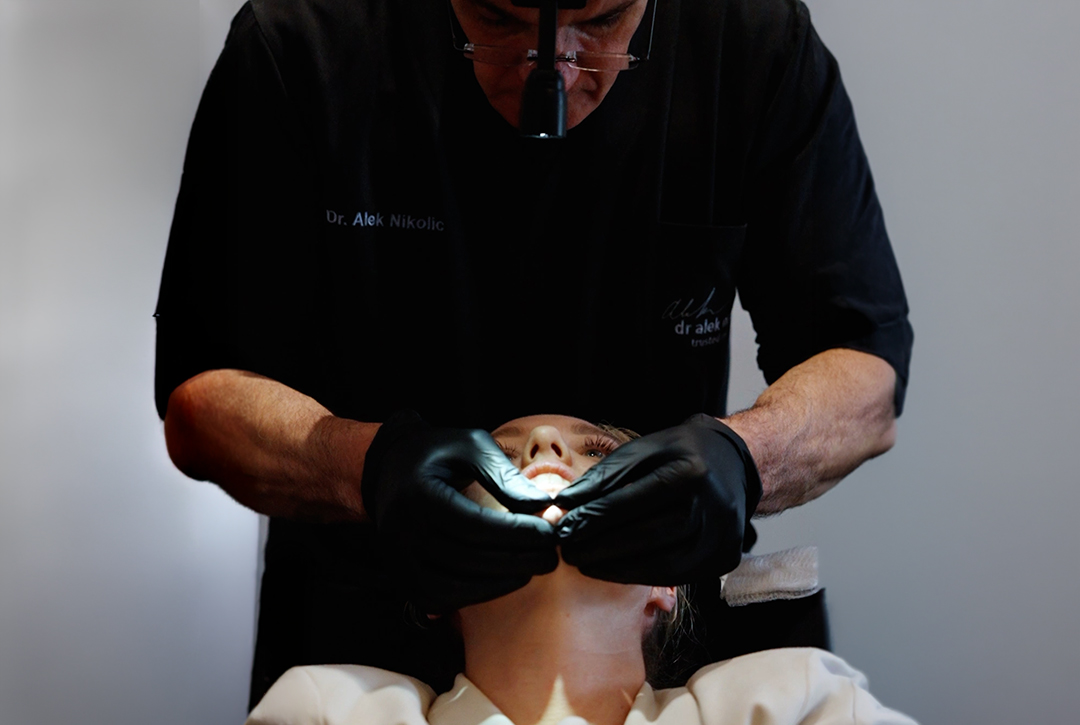
Every appointment at Dr Alek Nikolic’s practice starts with an assessment, not a treatment. Most patients are assessed and treated on the same day, which is what people usually expect when they book. If you would rather talk it through first, you can book a consultation only, with no treatment on the day. Either way, the assessment is not a formality; it is the foundation of every decision that follows.
VISIA Skin Analysis and Your Personalised Protocol
VISIA skin analysis uses multispectral imaging to reveal aspects of your skin that are not visible to the naked eye, including UV damage, subsurface pigmentation, pore distribution, wrinkles and fine lines, and skin texture. Based on what the VISIA analysis reveals alongside a clinical examination and a careful discussion of your concerns and timeline, a personalised protocol is developed. This might be a single skin booster course, or it might involve a combination of treatments sequenced to work together. The protocol is built around your skin, your schedule, and your goals, not a standard menu applied to everyone who walks in.
When Skin Boosters Are Part of a Broader Skin Quality Plan
For some people, skin boosters are the right standalone treatment. For others, they work best as part of a broader approach. Sun-damaged skin with uneven texture may benefit from microneedling with Dermapen 4 alongside a skin booster course. Skin with pigmentation concerns may need additional support. Structural concerns that go beyond skin quality may require a different conversation altogether.
The practice team, including Dr Alek, Dr Lynelle Hoeks, skincare therapist Vashnee Chetty, and practice coordinator Sam, supports you through the process from initial assessment to aftercare. Dr Alek serves as an Allergan Local Country Mentor in Facial Aesthetics and has lectured internationally, bringing a level of clinical rigour to every assessment that goes beyond what a surface-level consultation can offer.
If you are considering skin boosters ahead of the festive season, the most useful thing you can do right now is book your assessment early enough to have genuine options.
Frequently Asked Questions About Timing Skin Boosters for the Festive Season
Q: How far in advance should I get a skin booster before a big event?
For most people, starting at least six to eight weeks before your key event is sensible. If you need two sessions four weeks apart, as with some bio-remodelling treatments, you will want to begin the course even earlier to allow effects to develop fully and any bruising to resolve well before the occasion.
Q: How long do skin boosters last?
This depends on the type used. Hybrid hyaluronic acid bio-remodelling treatments typically last around six months, while microdroplet hyaluronic acid skin boosters generally last around nine months. Maintenance sessions are recommended at those intervals.
Q: Is there any downtime after a skin booster treatment?
Yes, though it is generally minimal. Small raised bumps at the injection points are normal for 12 to 24 hours. Bruising is possible and varies significantly, settling in four to five days for some and taking ten to twelve days for others. Normal daily activities, including exercise, can resume immediately.
Q: Can I wear makeup after a skin booster treatment?
On the day of treatment, avoid makeup. From the following day, you can return to your normal routine. Your practitioner will give you specific aftercare guidance based on the type of skin booster used and your individual circumstances.
Q: Are skin boosters suitable for crepey or lax skin?
Skin boosters can improve skin hydration, texture, and elasticity, which may help the appearance of crepey skin. They address skin quality rather than structural volume loss or significant laxity. A full assessment will determine whether skin boosters alone or in combination with other treatments are appropriate for your concerns.
Q: Do blood-thinning supplements affect skin booster treatments?
Blood-thinning medications and supplements may increase the likelihood of bruising and affect how visible any bruise is. Mention all medications and supplements at your assessment. Never stop prescribed medication without medical advice.
Q: Can I get a skin booster if I am pregnant or breastfeeding?
No. Skin boosters are not recommended during pregnancy or whilst breastfeeding. Discuss this at your consultation so your practitioner can advise on timing and alternative options for skin health maintenance in the meantime.
Q: What is the difference between a skin booster and a bio-remodelling treatment?
Bio-remodelling is the mechanism by which certain skin boosters work. They use hyaluronic acid to stimulate the skin’s own collagen and elastin production, remodelling skin quality from within rather than simply adding volume. Not all skin boosters work this way. Your assessment will clarify which approach suits your skin.
Q: How many sessions will I need before the festive season?
This depends on which type of skin booster is appropriate for you. One type requires two sessions four weeks apart, while another is typically completed in a single session. The right approach is determined at your initial assessment, which is why booking early matters.
Q: Can skin boosters help with sun-damaged or uneven skin texture?
Skin boosters can improve overall skin quality, including hydration, texture, and radiance, which may benefit sun-damaged skin. Uneven pigmentation or more significant sun damage may benefit from additional treatments such as microneedling with Dermapen 4. A detailed skin assessment, including VISIA analysis, helps identify the most appropriate approach for your skin.
Related Articles
- Dull, Dehydrated or Crepey? What a Skin Assessment Reveals Before the Festive Season
– Related cluster article - Skin Booster Sessions Before the Festive Season: How Many, How Far Apart and What to Expect
– Related cluster article