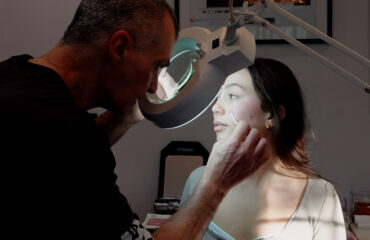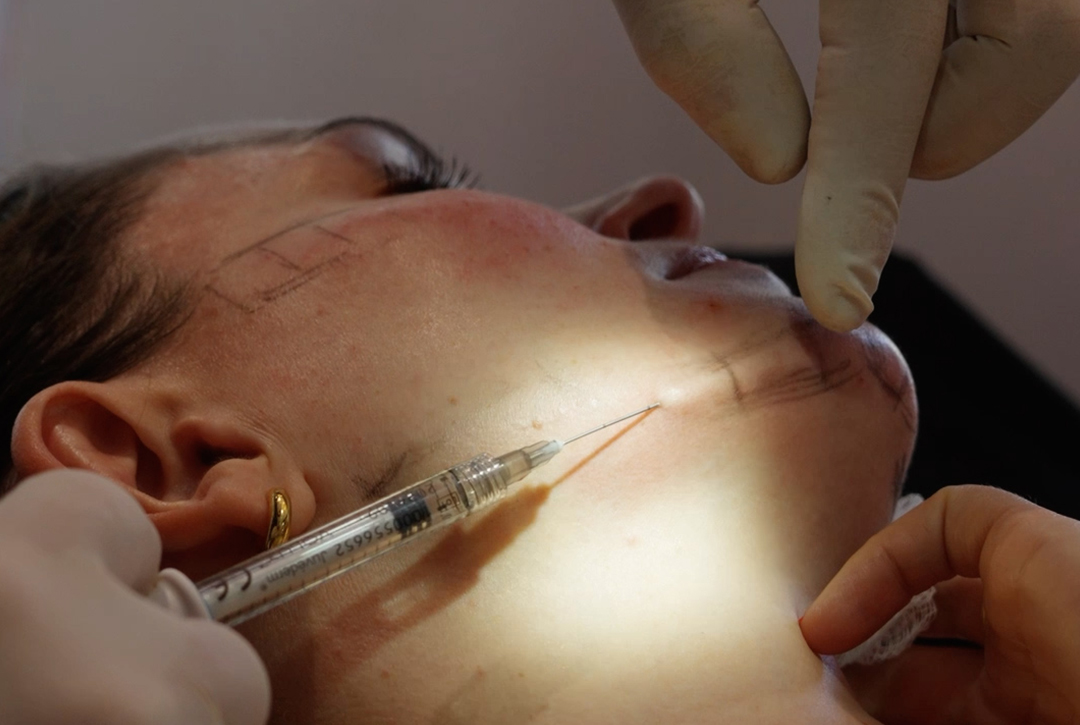
Biostimulators work by triggering your skin’s own collagen-producing cells, producing gradual structural improvement that develops over months rather than appearing immediately after injection.
- Biostimulators are injectables that stimulate your skin’s fibroblasts to produce new collagen, rather than adding volume directly.
- Results develop gradually over weeks to months because the improvement depends on your own biological response.
- They differ fundamentally from dermal fillers: fillers replace lost volume immediately, biostimulators rebuild structural support over time.
- Suitability depends on your skin structure, the degree of laxity present, and your skin health baseline, not just age.
- A careful assessment is essential before any biostimulator treatment to determine whether collagen stimulation, volume replacement, or a combination approach is appropriate for your skin.
Biostimulators are injectable treatments that trigger your skin’s own collagen-producing cells to generate new structural support. Unlike dermal fillers, which add volume directly, biostimulators work by stimulating a biological response. Improvement develops gradually over weeks to months as collagen production increases, making results progressive rather than immediate.
Your skin produced collagen effortlessly in your twenties. You probably never thought about it. Now, perhaps in your late thirties or forties, you notice that the firmness you took for granted has quietly shifted, and no serum has managed to bring it back. That is not a failure of your skincare routine. It reflects a biological reality: the cells responsible for producing collagen slow down with age, and topical products cannot reach the depth where that production happens. Biostimulators work at exactly that depth.
This article focuses specifically on how collagen stimulating treatments work at a biological level, what distinguishes them from other injectables, and what you can realistically expect from a course of treatment. If you are also weighing up how biostimulators compare to energy-based skin tightening devices, or looking at the broader picture of facial firming, the full guide to facial firming and what biostimulators and skin tightening realistically achieve covers that wider context.
What makes biostimulators particularly interesting from a scientific standpoint is that they do not add a substance that stays in your skin permanently. Instead, they initiate a biological process. The improvement you see is your skin’s own work, driven by cells that were always there but needed a signal to become more active. Understanding that mechanism changes how you think about the timeline, the treatment course, and the longevity of the outcome.
What Biostimulators Actually Are (and What Makes Them Different from Other Injectables)
Biostimulators are injectable treatments that trigger your skin’s own collagen-producing cells to generate new structural support. Unlike dermal fillers, which add volume directly, biostimulators work by stimulating a biological response. Improvement develops gradually over weeks to months as collagen production increases, making results progressive rather than immediate.
The key distinction: stimulating versus replacing
Most people are familiar with injectables that fill. Hyaluronic acid-based dermal fillers, for instance, physically occupy space in the tissue, adding volume where it has been lost. You see the change almost immediately because the substance itself is doing the work.
Biostimulators operate on an entirely different principle. Rather than occupying space, they act as a signal. When injected into the skin or the layer just beneath it, they create a controlled response in the surrounding tissue. The body recognises the injected substance as something to respond to, and that response involves the activation of collagen-producing cells called fibroblasts. The biostimulator itself may gradually be absorbed or integrated, but what it leaves behind is new collagen that your skin has generated.
This distinction matters practically. It means you will not walk out of a biostimulator appointment looking different. The change comes later, as your skin builds new structure from within.
Which substances are used as biostimulators and how do they differ?
Several different substances are used as biostimulators, and they work through related but not identical mechanisms.
Poly-L-lactic acid (PLLA) is a synthetic, biodegradable polymer that has been used in medicine for decades in dissolvable sutures. When injected into the skin, it creates a mild inflammatory response that signals fibroblasts to produce collagen. As the PLLA particles are gradually broken down by the body, the collagen they stimulated remains.
Calcium hydroxylapatite (CaHA) consists of microspheres made from a mineral compound that is also found naturally in bone. Injected into the skin, CaHA provides an immediate, temporary scaffolding effect while simultaneously stimulating collagen production. The mineral microspheres are eventually absorbed, leaving behind the new collagen.
Polynucleotides (PDRN) represent a newer category, derived from purified DNA fragments. They work partly by stimulating fibroblast activity and partly through their role in supporting tissue repair processes. Skin booster treatments using bio-remodelling agents, including certain highly concentrated hyaluronic acid formulations, also have biostimulatory properties alongside their hydrating effects.
Each substance has a different depth of injection, a different stimulation mechanism, and a different timeline of response, which is why a careful assessment is essential before selecting an approach.
How Does the Collagen Stimulation Process Actually Work Inside Your Skin?
Fibroblasts: the cells doing the real work
Fibroblasts are the skin cells responsible for producing collagen, elastin, and the other proteins that give skin its structure and resilience. They live primarily in the dermis, the middle layer of the skin, and they are constantly active in younger skin, maintaining and renewing the extracellular matrix that holds everything together.
As you age, fibroblast activity naturally slows. The cells are still there, but they produce less collagen and respond less efficiently to the signals that once kept them busy. Biostimulators essentially reactivate that cellular activity by introducing a stimulus the fibroblasts cannot ignore.
The injected substance creates what is best described as a controlled, localised response. The body registers the biostimulator as something that requires a tissue response, and fibroblasts move into the area and begin producing collagen. The process is not inflammation in the way you might experience from a wound or an infection. It is a targeted biological signal that activates the skin’s own repair and renewal systems.
Why results take time and what is happening during that period
This is the question most people ask first, and the answer lies in understanding what collagen synthesis actually involves. Fibroblasts do not produce collagen instantly. The process of building new collagen fibres, organising them into a functional matrix, and integrating them into the existing dermal structure takes weeks. Meaningful collagen accumulation typically becomes visible from around four to six weeks after treatment, and the process continues for several months.
During the weeks after your treatment, you may notice very little visible change. That absence of immediate change is not a sign that nothing is happening. Beneath the surface, fibroblast activity is increasing, collagen precursors are being synthesised, and new fibres are beginning to form. The gradual nature of this process is precisely what makes the outcome look natural rather than sudden.
The role of the dermis and extracellular matrix in treatment response
The dermis is not a passive structure. It is a dynamic environment made up of collagen fibres, elastin, water-binding molecules called glycosaminoglycans, and the fibroblasts that maintain all of them. When collagen levels decline with age, the entire extracellular matrix becomes less organised and less hydrated, which is why skin loses both firmness and a certain plumpness simultaneously.
Biostimulators work within this environment. The new collagen that fibroblasts produce in response to treatment integrates into the existing matrix, gradually improving its density and organisation. This is why the skin improvement from biostimulators tends to look like a general lifting and firming of quality, rather than a specific change in one spot.
Biostimulators Versus Dermal Fillers: Understanding the Fundamental Difference
What dermal fillers do that biostimulators do not
Hyaluronic acid-based dermal fillers are placed into specific areas of the face to restore volume, define contours, or soften particular lines. The change is immediate and visible because the filler physically occupies the space it is injected into. Fillers are highly effective for addressing specific structural concerns: restoring volume to the cheeks, defining the jawline, softening deep folds, or adding shape to the lips.
Fillers do not, however, stimulate the skin to produce anything new. They replace or augment what has been lost, but the skin itself does not change in response to them. When the filler is eventually broken down by the body, the underlying tissue returns to its previous state.
What biostimulators do that dermal fillers cannot
Biostimulators address the quality and density of the skin itself. Rather than adding a substance that occupies space, they encourage your skin to build new structural protein. The outcome is a gradual improvement in skin texture, firmness, and the way the skin behaves under movement, rather than a change in a specific contour or volume point.
This also means biostimulators are well suited to areas where fillers are not the most appropriate tool. Diffuse skin laxity across the cheeks, the gradual thinning of skin on the neck and décolletage, and the loss of overall skin density that comes with age are concerns that biostimulators address more directly than fillers can.
Another meaningful distinction is longevity. Because the collagen produced in response to a biostimulator is your own tissue, it behaves like your own tissue. The improvement does not dissolve in the same way a hyaluronic acid filler does, though it will gradually diminish over time as the natural ageing process continues.
When a combination approach makes clinical sense
For many people, the most appropriate approach involves both. Biostimulators can improve overall skin quality and firmness, while fillers address specific volume deficits or contour concerns that biostimulators cannot resolve on their own. The two approaches are not competing; they work on different aspects of the ageing face.
Whether a combination approach is appropriate depends entirely on your individual anatomy, the concerns you want to address, and the assessment findings. At Dr Alek Nikolic’s practice, the diagnostic-first approach means this decision is made after a detailed evaluation of your facial structure, skin quality, and specific goals, not based on a preset menu.
How Is Suitability for Biostimulator Treatment Assessed?
Skin structure factors that influence treatment response
Not everyone responds to biostimulators in exactly the same way, and several factors influence how your skin will respond to collagen stimulation.
Skin thickness matters. The dermis naturally thins with age, and in very thin or fragile skin, the response to biostimulators may be more variable. The degree of existing collagen loss also plays a role: skin that still has reasonable structural integrity may respond more readily than skin that has experienced significant long-term thinning.
Your overall skin health, including hydration levels, sun damage history, and the presence of any inflammatory skin conditions, also affects how efficiently fibroblasts can respond to the biostimulator signal. This is one reason why addressing foundational skin health before or alongside biostimulator treatment often produces better outcomes than the biostimulator alone.
What a diagnostic-first assessment looks at before recommending a biostimulator
A careful assessment before recommending any biostimulator treatment looks at several things that are not visible to the naked eye. VISIA skin analysis can reveal the degree of UV damage, the density of pores, and the texture characteristics of your skin in ways that inform both the choice of treatment and the expected response.
Ultrasound technology, used at Dr Alek’s practice for both diagnostic assessment and procedural guidance, allows visualisation of the skin’s layers and the underlying soft tissue. This is particularly useful for understanding where volume loss is occurring at a structural level, and for ensuring that any injectable treatment is placed safely and accurately.
The assessment also considers your skin’s history: previous treatments, any history of inflammatory conditions, and the specific concerns you want to address. This information shapes not only whether a biostimulator is appropriate, but which type of biostimulator and which protocol is most likely to produce the improvement you are looking for.
Who may not be well suited to biostimulator treatment
Biostimulators are not appropriate for everyone. Certain autoimmune conditions, a history of keloid scarring, or active skin infections in the treatment area may affect suitability. Some biostimulators are not recommended during pregnancy or breastfeeding.
It is also worth noting that biostimulators are not a solution for significant structural laxity that has progressed beyond what collagen stimulation alone can meaningfully address. In those situations, an honest assessment may include a discussion of whether a surgical referral is more appropriate. At Dr Alek Nikolic’s practice, that kind of honest conversation is part of the assessment process, not an afterthought.
Skin tone does not typically affect suitability for biostimulator treatment itself, though it does influence certain aspects of aftercare and the management of any post-treatment response.
What to Realistically Expect from a Collagen Stimulating Treatment Course
The typical treatment course: why a single session is rarely sufficient
Biostimulator treatment is almost never a one-session process. The biology of collagen stimulation means that each session builds on the last, and a single treatment, while it will initiate a collagen response, rarely produces the degree of improvement that a structured course achieves.
Most protocols involve two to three sessions spaced four to six weeks apart, though this varies depending on the specific biostimulator used, the area being treated, and your skin’s individual response. The spacing between sessions is deliberate: it allows the collagen response from each session to develop before the next stimulus is introduced, building progressively on what has already been generated.
Some people notice a meaningful improvement after their first or second session. Others find that the most noticeable change comes after the full course is complete. Both experiences are normal, because the timeline of collagen synthesis varies between individuals.
How long collagen stimulation benefits generally last
Because the improvement from biostimulators is based on new collagen your skin has produced, the longevity of the outcome is meaningfully different from that of a dissolvable filler. Research into collagen-stimulating treatments generally suggests that improvements can persist for one to two years or longer, depending on the substance used and individual factors including the rate of ongoing collagen decline.
This does not mean the improvement is permanent. Ageing continues, and the collagen produced in response to treatment will gradually diminish over time. Most people find that a maintenance session once or twice a year helps to sustain the improvement achieved during the initial course, though the exact schedule depends on your individual response and how your skin behaves over time.
Supporting your skin’s collagen response between and after sessions
What you do between and after sessions genuinely influences how well your skin responds to biostimulator treatment. Several factors support collagen synthesis and help maintain the improvement over time.
Sun protection is not optional. UV exposure is one of the most significant drivers of collagen degradation, and continuing to accumulate UV damage during and after a biostimulator course will undermine the collagen your skin is working to build. A broad-spectrum SPF used daily is a non-negotiable part of maintaining any collagen-stimulating investment.
Skincare ingredients that support collagen synthesis, particularly vitamin C and retinoids, can complement the effects of biostimulator treatment by providing additional signals that encourage fibroblast activity. These are not a replacement for treatment, but they create a more supportive environment for the collagen response to develop. Vashnee, the skincare therapist at Dr Alek’s practice, can advise on which products are appropriate for your skin and how to integrate them into your routine around treatment sessions.
Adequate hydration, both topical and systemic, supports the extracellular matrix that surrounds your new collagen fibres. Hyaluronic acid-based skin boosters used alongside a biostimulator course address this dimension specifically, improving the hydration and plumpness of the dermis while the biostimulator works on its structural density.
Frequently Asked Questions About Biostimulator Treatments
How long does it take to see results from a biostimulator treatment?
Most people begin to notice visible improvement from around four to six weeks after their first session, as new collagen fibres accumulate in the treated area. The most significant improvement typically develops over three to six months, as the collagen response matures and the skin’s structural density increases. Results continue to develop throughout the treatment course and for several months afterwards.
Is a biostimulator treatment painful?
Most biostimulator treatments involve some discomfort, though the level varies depending on the substance used, the area treated, and your individual sensitivity. Topical numbing is generally applied before treatment, and many biostimulator formulations also contain a local anaesthetic to minimise discomfort during injection. Most people find the experience manageable, though it is worth discussing any concerns about sensitivity during your assessment.
Can biostimulators be used alongside dermal fillers?
Yes, and for many people a combination approach addresses different aspects of the ageing face more effectively than either treatment alone. Biostimulators improve overall skin quality and firmness, whilst fillers address specific volume and contour concerns. Whether combining the two is appropriate for you depends on your individual assessment findings and the specific concerns you want to address.
How many biostimulator sessions will I need?
Most protocols involve two to three sessions spaced four to six weeks apart, though the exact number depends on the biostimulator used, the area being treated, and how your skin responds. This is determined during your assessment, not assumed in advance. Maintenance sessions are typically recommended once or twice a year to sustain the improvement over time.
Are biostimulators safe for all skin tones?
Biostimulator treatment is generally considered appropriate across a range of skin tones. Skin tone does not typically affect the collagen stimulation response itself. However, certain aspects of aftercare and the management of any post-treatment redness or swelling may vary, and these considerations are discussed as part of your individual assessment.
Biostimulators represent one of the more biologically sophisticated approaches available in non-surgical aesthetic medicine, precisely because they work with your skin’s own systems rather than substituting for them. The improvement is gradual, the timeline requires patience, and the outcome depends on your skin’s individual response. But for many people, the quality of improvement, and its natural appearance, makes that patience worthwhile.
If you are considering whether biostimulator treatment might be appropriate for your skin, the starting point is always a careful, diagnostic-first assessment that looks at your skin’s actual structure and your specific goals, rather than applying a preset protocol. That is the foundation of every recommendation made at Dr Alek Nikolic’s Cape Town practice, and it is the only reliable way to match the right treatment to the right person.
Related Articles
- facial firming: what biostimulators and skin tightening realistically achieve
– Parent pillar provides the broader context of facial firming and where biostimulators sit alongside energy-based skin tightening devices; linking here orients readers who want the wider picture after reading the mechanism detail.