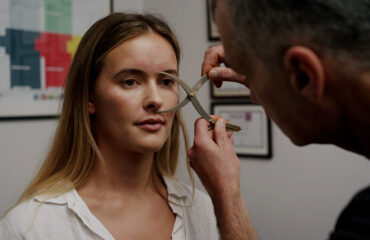
Strategic planning of injectable treatments for 2026 involves coordinating botulinum toxin, soft tissue fillers, and skin quality treatments like Skinvive and Prophilo to achieve natural, lasting results that align with your lifestyle and aesthetic goals.
- Strategic timing of injectable treatments typically produces more natural and sustained results than ad-hoc approaches
- Combining botulinum toxin with skin quality treatments like Skinvive and Prophilo addresses both dynamic wrinkles and tissue health
- Planning treatments around your lifestyle and social calendar ensures optimal results when they matter most
- A comprehensive reset approach considers facial balance, hydration, and long-term skin quality alongside immediate aesthetic concerns
- Professional assessment determines the ideal combination and sequencing of treatments for your individual needs
A strategic injectable reset for 2026 involves planning botulinum toxin and soft tissue filler treatments in coordinated intervals to optimise results whilst incorporating skin quality treatments like Skinvive and Prophilo for enhanced hydration and tissue health. This approach typically delivers more natural, longer-lasting outcomes than reactive treatments.
The aesthetic treatment landscape has evolved dramatically beyond the spontaneous “top-up when you remember” approach that characterised earlier years. Today’s most successful outcomes emerge from strategic planning that considers facial balance, tissue health, and lifestyle demands in equal measure. Rather than reacting to emerging concerns as they appear, a comprehensive injectable reset for 2026 positions you to maintain natural-looking results throughout the year whilst addressing underlying skin quality alongside visible aesthetic concerns.
This strategic approach recognises that your face functions as an integrated system where hydration, volume, muscle activity, and structural support interact continuously. Treating one element in isolation often produces suboptimal results, whilst coordinated treatments that consider these interconnections typically deliver more harmonious, longer-lasting outcomes. The difference lies not merely in which treatments you choose, but in how you sequence them, time them around your life events, and build upon each successive intervention to create cumulative benefits.
A well-planned injectable reset for 2026 incorporates botulinum toxin for dynamic wrinkle management, soft tissue fillers for structural support where needed, and increasingly, skin quality treatments like Skinvive and Prophilo that address the fundamental health of your dermal tissue. This multi-dimensional approach reflects growing understanding that visible ageing results from multiple concurrent processes—not just wrinkle formation or volume loss alone, but also declining hydration, reduced collagen production, and diminished skin elasticity.
Planning your treatments strategically around anticipated social events, professional commitments, and seasonal factors ensures you look your best when it matters most, rather than hoping your last-minute appointment delivers miracles before an important occasion. This thoughtful approach reduces stress, manages expectations realistically, and allows your aesthetic doctor to optimise treatment timing for your individual healing patterns and lifestyle requirements.
Understanding the Strategic Injectable Reset Approach
What Defines a Strategic Treatment Plan
A strategic treatment plan differs fundamentally from reactive aesthetic care in its comprehensive, forward-looking approach. Rather than addressing individual concerns as they become bothersome, strategic planning begins with holistic facial assessment that identifies current concerns, anticipates likely progression, and establishes clear aesthetic goals aligned with your personal preferences and lifestyle.
This approach typically involves detailed consultation where your aesthetic doctor evaluates facial proportions, skin quality, volume distribution, and dynamic movement patterns. Professional assessment identifies which concerns will respond best to specific treatments and determines optimal sequencing to build results progressively. Strategic planning considers how different treatments interact—both positively through synergistic effects and potentially negatively if poorly timed.
The strategic reset concept recognises that starting fresh with coordinated treatments often produces superior outcomes compared to continually adding treatments atop previous work without comprehensive reassessment. This “reset” allows your aesthetic doctor to evaluate your current state objectively and design a treatment pathway that addresses your face as it is now, rather than incrementally modifying outdated treatment patterns that may no longer serve your evolving features.
Critically, strategic planning incorporates realistic timeframes. Whilst many patients desire immediate transformation, the most natural results typically emerge gradually as treatments settle, tissue responds, and subtle improvements accumulate. A strategic approach embraces this reality, spacing treatments appropriately and setting expectations that align with biological healing processes rather than wishful thinking.
Why Reactive Treatments Often Disappoint
Reactive treatment approaches—scheduling appointments only when you notice a concerning change or just before an important event—frequently produce disappointing outcomes for several interconnected reasons. Firstly, last-minute treatments rarely allow adequate settling time, meaning you may attend your important event during the initial healing phase when swelling or minor bruising remain visible, rather than when results have fully developed.
Reactive approaches also tend to focus narrowly on the most obvious concern whilst missing underlying issues that contribute to the visible problem. For example, treating nasolabial folds with filler alone may provide temporary improvement, but if the underlying issue involves midface volume loss or declining skin quality, the results will likely appear less natural and prove shorter-lived than a comprehensive approach addressing root causes.
Additionally, reactive treatment patterns often create a cycle of over-correction. When patients seek treatment only when concerns become significant, they may request—or practitioners may recommend—more aggressive intervention than would have been necessary with earlier, preventative care. This can lead to overdone results that require time and sometimes additional treatments to refine.
The reactive approach also makes it difficult to build upon previous treatments strategically. Without planned sequencing, you might receive treatments in an order that limits their effectiveness or requires longer intervals between procedures than would be necessary with coordinated planning. This ultimately extends the timeline to achieve your desired results and may increase overall investment.
The Science Behind Treatment Timing
Treatment timing significantly influences outcomes through several biological mechanisms. Hyaluronic acid-based treatments, whether volumising fillers or skin quality products like Skinvive, integrate with tissue over several weeks following injection. During this period, the product attracts water, settles into surrounding structures, and stimulates subtle tissue responses. Optimal results typically emerge 2-4 weeks post-treatment, not immediately.
Botulinum toxin follows a different timeline, with initial effects appearing within 3-5 days and full results developing over two weeks. The treatment’s duration varies individually but generally lasts 3-4 months, after which muscle activity gradually returns. Strategic planning accounts for this timeline, scheduling treatments so peak effects coincide with important events rather than the initial settling period.
Skin quality treatments like Prophilo work through bio-remodelling mechanisms that stimulate collagen and elastin production over time. These treatments typically require an initial course of two sessions spaced four weeks apart, with visible improvements developing progressively over the following months. The cumulative effects mean strategic planning should position these treatments early in your reset timeline to establish a healthy foundation for subsequent interventions.
Understanding these biological timelines allows strategic scheduling that maximises each treatment’s effectiveness. For instance, initiating skin quality treatments 2-3 months before planned filler treatments creates optimally hydrated, healthy tissue that responds better to volumisation. Similarly, timing botulinum toxin treatments to peak during your busiest social season ensures you benefit from optimal results when they matter most.
The Core Components of Your 2026 Injectable Reset
Botulinum Toxin: Foundation of Dynamic Wrinkle Management
Botulinum toxin remains the cornerstone of dynamic wrinkle management, addressing lines that form through repeated facial expressions—forehead lines, crow’s feet, and frown lines between the brows. The treatment works by temporarily relaxing targeted muscles, preventing the repetitive contractions that deepen expression lines over time. This preventative mechanism makes botulinum toxin particularly valuable when incorporated early into an aesthetic maintenance programme.
Modern botulinum toxin treatment extends beyond simply freezing muscles. Skilled aesthetic doctors use precise dosing and strategic placement to soften expression whilst preserving natural movement and emotional expression. The goal centres on appearing refreshed and relaxed rather than obviously treated. This nuanced approach requires understanding facial anatomy, muscle interaction patterns, and how individual factors like muscle strength and facial structure influence treatment outcomes.
Within a strategic reset plan, botulinum toxin typically serves as a foundational treatment that creates a smooth canvas for other interventions. By reducing dynamic movement that can displace fillers or stress skin quality treatments, botulinum toxin helps optimise and potentially extend the results of complementary procedures. Many patients find that regular botulinum toxin treatment reduces their need for filler over time, as preventing deep wrinkle formation proves more effective than continually filling established lines.
The treatment’s relatively predictable timeline and temporary nature make it ideal for strategic planning. Scheduling treatments every 3-4 months creates consistent results throughout the year, and timing these appointments before significant events ensures peak effects when you most desire them. Additionally, regular treatment often leads to progressively longer-lasting results as muscles adapt to reduced activity.
Soft Tissue Fillers: Restoring Volume and Structure
Soft tissue fillers address age-related volume loss and provide structural support to facial contours. Unlike botulinum toxin’s muscle-relaxing mechanism, fillers physically restore depleted volume, lift sagging tissue, and enhance facial proportions. Modern hyaluronic acid fillers come in various formulations designed for specific purposes—from delicate products for fine lines and lip enhancement to robust formulations for deep structural support.
Strategic filler placement considers facial architecture holistically rather than treating isolated features. The midface, for instance, provides crucial support for lower facial structures. Addressing midface volume loss often improves nasolabial folds and jowling more effectively than directly filling these areas. This architectural approach requires comprehensive assessment and planning that reactive treatments rarely achieve.
Within your 2026 reset plan, fillers typically follow foundational treatments that optimise tissue quality. Injecting filler into well-hydrated, healthy tissue generally produces more natural integration and longer-lasting results than placement in dehydrated or compromised skin. This sequencing consideration highlights why strategic planning proves superior to isolated treatments scheduled without regard for tissue condition.
Filler longevity varies considerably based on product selection, placement depth, and individual metabolism. Strategic planning accounts for these variations, using longer-lasting products in structural areas where stability matters whilst reserving more temporary options for features where preferences may evolve. This thoughtful product selection optimises both aesthetic outcomes and long-term value.
Skinvive: The Hydration Revolution
Skinvive represents a newer category of injectable treatment focused specifically on improving skin quality through deep dermal hydration. Unlike traditional fillers that add volume or structure, Skinvive uses hyaluronic acid in a unique formulation designed to spread throughout the dermal layer, attracting and retaining moisture to improve skin texture, smoothness, and overall appearance.
This treatment addresses a fundamental aspect of skin ageing that traditional injectables often overlook—the progressive decline in dermal hydration that contributes to dullness, roughness, and fine crepiness. By directly enhancing the skin’s moisture content at the dermal level, Skinvive creates visible improvements in skin quality that complement rather than replace other aesthetic treatments.
Within a strategic reset approach, Skinvive often serves as a preparatory treatment that optimises tissue health before more targeted interventions. Well-hydrated skin provides a better foundation for filler placement and may enhance the overall aesthetic result of combined treatments. Many patients report that Skinvive creates a subtle “glow” that improves their appearance even before adding other treatments.
The treatment typically involves injections across the treatment area—commonly the face—using a microdroplet technique that distributes the product evenly throughout the dermis. Results develop over several weeks as the hyaluronic acid attracts water and integrates with tissue, with many patients experiencing benefits for several months. Strategic planning positions Skinvive treatments early in your reset timeline to establish optimal hydration before subsequent interventions.
Prophilo: Bio-Remodelling for Skin Quality
Prophilo takes a different approach to skin quality improvement through bio-remodelling—stimulating the skin’s own collagen and elastin production rather than simply adding hydration. This injectable treatment uses a unique hyaluronic acid formulation that spreads through tissue and triggers biological responses that improve skin laxity, texture, and overall quality.
The bio-remodelling mechanism distinguishes Prophilo from both traditional fillers and pure hydration treatments. Rather than filling space or simply attracting moisture, Prophilo encourages tissue to strengthen and regenerate itself. This makes it particularly valuable for addressing skin laxity and quality concerns that don’t respond well to volume-based treatments.
Prophilo treatment typically follows a specific protocol involving two sessions spaced four weeks apart, with results developing progressively over the following months. This timeline makes early planning essential—initiating Prophilo treatment 2-3 months before you desire optimal results ensures the bio-remodelling process has adequate time to generate visible improvements.
Within your strategic reset, Prophilo often works synergistically with other treatments. Improved skin quality from bio-remodelling creates healthier tissue that may respond better to subsequent filler treatments and maintain botulinum toxin results more effectively. This synergistic potential exemplifies why strategic, coordinated planning produces superior outcomes compared to isolated treatments scheduled without consideration for how interventions interact.
Building Your Personalised Treatment Timeline
Assessing Your Starting Point
Creating an effective treatment timeline begins with honest, comprehensive assessment of your current state. This involves more than identifying which wrinkles bother you most—professional evaluation considers facial proportions, volume distribution, skin quality, dynamic movement patterns, and how these elements interact to create your overall appearance. Your aesthetic doctor will assess both static features visible at rest and dynamic changes that occur with facial expressions.
This initial assessment also evaluates tissue health factors that influence treatment selection and outcomes. Skin hydration, elasticity, thickness, and general condition all affect how treatments perform and how long results last. Patients with compromised skin quality may benefit from prioritising hydration and bio-remodelling treatments before adding volume-based interventions, whilst those with good tissue health might proceed directly to addressing specific aesthetic concerns.
Your medical history, lifestyle factors, and previous aesthetic treatments also inform timeline development. Certain medications, health conditions, or lifestyle habits may influence treatment selection or timing. Previous treatments provide valuable information about how your tissue responds, which products worked well, and what results you found satisfying or disappointing. This historical perspective helps refine your new strategic approach.
Equally important is assessing your aesthetic goals and expectations realistically. Strategic planning works best when objectives are specific, achievable, and aligned with your natural features. Unrealistic expectations—wanting to look decades younger or dramatically different—often lead to over-treatment and disappointing outcomes. Your aesthetic doctor will help establish goals that enhance your natural appearance whilst remaining achievable through the treatments you’re considering.
Mapping Key Life Events and Social Commitments
Strategic treatment timing revolves around your life, not arbitrary scheduling. Identifying significant events, busy social periods, and times when you’ll want to look your absolute best allows reverse-engineering your treatment timeline to ensure optimal results when they matter most. This might include weddings, milestone celebrations, important professional events, holidays, or simply your busiest social season.
This mapping process should also identify periods when brief downtime is acceptable. Whilst most injectable treatments involve minimal disruption, planning treatments during quieter periods provides flexibility if you experience more swelling or bruising than anticipated. Having a few days of reduced social commitments following treatment reduces stress and allows you to reschedule if needed without missing important events.
Consider seasonal factors as well. Some patients prefer scheduling certain treatments during cooler months when sun exposure is naturally reduced, whilst others align treatments with their social calendar regardless of season. Your climate, lifestyle, and sun protection habits all influence optimal seasonal timing. In Cape Town’s sunny climate, ensuring excellent sun protection following treatments becomes particularly important.
The timeline should also account for treatment intervals. If your reset plan includes multiple treatments, adequate spacing between procedures allows each to settle properly and enables assessment of results before proceeding. Rushing treatments too close together often compromises outcomes and makes it difficult to determine which intervention produced which effect, complicating future treatment decisions.
Optimal Treatment Sequencing
Treatment sequencing significantly influences overall outcomes. Generally, aesthetic doctors recommend establishing skin quality foundations before adding volume or structure. This means treatments like Skinvive or Prophilo often come first, creating well-hydrated, healthy tissue that responds optimally to subsequent fillers. This foundational approach typically produces more natural, longer-lasting results than immediately jumping to volume correction.
Botulinum toxin timing depends on your specific concerns and goals. Some patients benefit from initial botulinum toxin treatment to relax dynamic muscles before filler placement, particularly in areas where muscle activity might displace filler. Others begin with skin quality treatments, add fillers once tissue health improves, then incorporate botulinum toxin to address any remaining dynamic concerns. Your aesthetic doctor will recommend sequencing based on your individual assessment.
When multiple filler treatments are planned—perhaps addressing different facial areas—sequencing typically follows facial architecture principles. Treating the midface before lower face areas often proves most effective, as midface support influences lower facial appearance. Similarly, establishing good foundational structure before refining smaller details generally produces more harmonious results than working in reverse.
Allow adequate time between treatments for assessment. Rushing from one procedure to the next without evaluating results prevents informed decision-making about subsequent treatments. Most aesthetic doctors recommend 2-4 weeks between major treatments, though this varies based on specific procedures and individual factors. This spacing also distributes your investment over time rather than requiring substantial upfront expenditure.
Spacing Treatments for Maximum Effect
Proper treatment spacing optimises both individual treatment performance and cumulative results. Hyaluronic acid treatments require approximately two weeks to settle fully, though visible changes appear sooner. Scheduling your next treatment before the previous one has fully integrated makes it difficult to assess results accurately and may lead to over-treatment or unbalanced outcomes.
Skin quality treatments like Prophilo follow specific protocols with defined spacing—typically four weeks between the two initial treatments. Deviating from recommended intervals may compromise the bio-remodelling process and reduce overall effectiveness. Strategic planning incorporates these fixed intervals, building your timeline around them rather than trying to compress protocols to fit arbitrary schedules.
Botulinum toxin treatments generally space 3-4 months apart, though individual variation exists. Some patients metabolise the product more quickly whilst others enjoy longer-lasting results. Your strategic plan should account for your personal response pattern, scheduling maintenance treatments before effects fully wear off to maintain consistent results rather than allowing complete return of muscle activity between treatments.
Consider cumulative recovery time when spacing multiple treatments. Whilst each procedure individually may involve minimal downtime, scheduling several treatments in quick succession could mean extended periods of minor swelling or bruising. Spacing treatments allows you to look your best between procedures rather than constantly managing minor side effects. This consideration proves particularly important around busy social periods when you want to ensure optimal appearance.
Combining Treatments for Synergistic Results
Botulinum Toxin and Skin Quality Treatments
Combining botulinum toxin with skin quality treatments creates synergistic benefits that exceed results from either treatment alone. Botulinum toxin reduces dynamic muscle activity that can stress and damage skin over time, whilst treatments like Skinvive and Prophilo improve the skin’s fundamental health and resilience. Together, they address both the mechanical forces that create wrinkles and the tissue quality that determines how skin responds to those forces.
This combination proves particularly effective for patients concerned with both expression lines and overall skin appearance. Whilst botulinum toxin smooths dynamic wrinkles, skin quality treatments improve texture, hydration, and radiance across the entire treated area. The result is comprehensive facial rejuvenation that appears natural because it addresses multiple ageing factors simultaneously.
Timing these combinations requires consideration of each treatment’s mechanism and timeline. Many aesthetic doctors recommend allowing skin quality treatments to settle before adding botulinum toxin, though the reverse sequence also works well depending on individual circumstances. The key is adequate spacing—typically 1-2 weeks—to allow each treatment to integrate properly and enable assessment of individual effects.
Some evidence suggests that improved skin quality from treatments like Prophilo may enhance botulinum toxin longevity, as healthier tissue maintains treatment effects more effectively. Similarly, reduced muscle activity from botulinum toxin may allow skin quality improvements to manifest more visibly by eliminating the constant mechanical stress of dynamic movement. These potential synergies exemplify why strategic combination planning often outperforms isolated treatments.
Layering Fillers with Bio-Remodelling
Combining structural filler treatments with bio-remodelling approaches like Prophilo creates comprehensive facial rejuvenation that addresses both volume loss and tissue quality decline. Fillers restore depleted volume and provide structural support, whilst bio-remodelling improves the quality of tissue surrounding and supporting the filler. This layered approach typically produces more natural, longer-lasting results than filler alone.
The optimal sequencing generally involves bio-remodelling first, creating healthy, resilient tissue that provides an ideal environment for filler placement. Well-remodelled tissue with improved collagen and elastin may integrate filler more naturally and maintain results more effectively than compromised tissue. This foundational approach requires patience—initiating bio-remodelling 2-3 months before planned filler treatments—but typically rewards that patience with superior outcomes.
This combination proves particularly valuable for patients with moderate to significant volume loss combined with skin quality concerns. Rather than using excessive filler to compensate for poor tissue quality, the layered approach addresses both issues appropriately. This often means less filler is needed overall, creating more natural results whilst potentially reducing long-term investment.
Consider maintenance requirements when planning this combination. Bio-remodelling treatments typically require periodic refresher sessions to maintain tissue quality improvements, whilst fillers have their own maintenance timelines based on product selection and placement. Your strategic plan should coordinate these maintenance cycles to minimise appointment frequency whilst ensuring consistent results throughout the year.
The Hydration-First Approach
Prioritising skin hydration before other aesthetic treatments represents a strategic approach gaining recognition for its ability to optimise overall outcomes. Treatments like Skinvive that focus specifically on dermal hydration create an improved tissue environment that may enhance the performance and appearance of subsequent treatments. Well-hydrated skin typically integrates filler more naturally, maintains botulinum toxin results more effectively, and simply looks healthier overall.
This hydration-first strategy proves particularly valuable for patients with dry, dehydrated, or sun-damaged skin. Attempting to address volume loss or dynamic wrinkles without first improving fundamental tissue hydration often produces suboptimal results, as compromised skin cannot support or showcase other treatments effectively. Establishing good hydration creates a foundation that allows subsequent treatments to perform optimally.
The approach typically involves initiating hydration treatments 4-8 weeks before other planned interventions. This timeline allows the hydration treatment to integrate fully, improve tissue quality, and create the optimal environment for subsequent procedures. Patients often report that this sequencing produces more natural-looking results that develop more smoothly than when treatments are performed simultaneously or in reverse order.
Maintenance of hydration remains important throughout your treatment journey. Even after establishing good initial hydration, periodic refresher treatments help maintain tissue quality and may extend the results of other aesthetic interventions. Your strategic plan should incorporate hydration maintenance alongside other treatment maintenance cycles for comprehensive, long-term facial health.
What Not to Combine
Understanding which treatments should not be combined or require careful spacing proves as important as knowing beneficial combinations. Generally, avoid scheduling multiple injectable treatments in the same facial area simultaneously, as this makes it impossible to determine which treatment produced which effect and increases the risk of over-treatment or complications.
Certain treatment combinations require extended spacing for safety and efficacy reasons. For instance, energy-based treatments or chemical peels should typically be separated from injectable treatments by at least two weeks, as inflammation from one treatment may affect the other’s performance or increase complication risk. Your aesthetic doctor will provide specific guidance based on your treatment plan.
Be cautious about combining treatments from multiple practitioners simultaneously. Different aesthetic doctors may have varying approaches, use different products, or work toward different aesthetic goals. Coordinating all treatments through a single practitioner ensures cohesive planning, consistent aesthetic vision, and proper oversight of all interventions. If you do see multiple practitioners, ensure each knows about treatments you’re receiving elsewhere.
Avoid the temptation to compress timelines excessively. Whilst strategic planning aims for efficiency, attempting to receive too many treatments in too short a period generally compromises results rather than enhancing them. Respect recommended spacing intervals, allow adequate assessment time between treatments, and remember that gradual, progressive improvement typically appears more natural than dramatic rapid change.
Skin Quality as the Foundation
Why Hydration Matters More Than You Think
Skin hydration represents a fundamental determinant of facial appearance that often receives insufficient attention in aesthetic treatment planning. Properly hydrated skin appears plumper, smoother, and more radiant, whilst dehydrated skin looks dull, emphasises fine lines, and ages more rapidly. Beyond mere appearance, hydration affects how skin responds to treatments, heals from procedures, and maintains aesthetic results over time.
At the cellular level, adequate hydration supports all skin functions—from barrier protection to cellular turnover to collagen synthesis. Dehydrated skin cannot perform these functions optimally, compromising both natural appearance and treatment outcomes. This makes hydration not merely a cosmetic concern but a fundamental health issue that influences every aspect of facial aesthetics.
Injectable hydration treatments like Skinvive address this concern at the dermal level, where topical products cannot reach effectively. Whilst excellent skincare remains important, injectable hydration provides deep moisture that supports skin structure and function from within. This internal hydration creates visible improvements in skin texture, tone, and overall quality that complement other aesthetic treatments.
Many patients discover that improving hydration reduces their perceived need for other treatments. Well-hydrated skin naturally appears more youthful, with reduced fine lines, improved radiance, and better overall texture. This foundation of good hydration allows other treatments to focus on specific concerns rather than compensating for fundamental tissue quality deficits, often resulting in more natural outcomes with less intervention overall.
Addressing Tissue Health Before Volume
Prioritising tissue health before addressing volume concerns represents a paradigm shift in aesthetic treatment philosophy. Traditional approaches often jumped directly to filling volume loss, but growing understanding recognises that healthy tissue responds better to volumisation and maintains results more effectively than compromised tissue. This tissue-first approach typically produces more natural, longer-lasting outcomes.
Tissue health encompasses multiple factors—hydration, collagen and elastin content, cellular turnover, and overall structural integrity. Treatments like Prophilo that stimulate bio-remodelling address these fundamental tissue quality factors, strengthening skin’s infrastructure before adding volume. This creates a supportive environment where filler integrates naturally and maintains position effectively.
This sequencing requires patience, as tissue quality improvements develop gradually over weeks to months. However, the investment in foundational tissue health typically pays dividends in superior treatment outcomes and potentially reduced long-term maintenance requirements. Healthy tissue simply performs better and ages more gracefully, whether treated or untreated.
Consider this approach particularly important if you have significant sun damage, smoking history, or other factors that compromise tissue quality. Attempting to correct aesthetic concerns without first addressing underlying tissue health often produces disappointing results that require frequent maintenance or progressively increasing intervention. Establishing good tissue health creates a sustainable foundation for long-term aesthetic maintenance.
Long-Term Benefits of Quality-Focused Treatments
Focusing on skin quality rather than purely corrective treatments offers substantial long-term benefits that extend beyond immediate aesthetic improvement. Quality-focused treatments like Skinvive and Prophilo stimulate natural processes—hydration, collagen production, tissue remodelling—that continue benefiting skin health long after the initial treatment effects fade. This creates cumulative improvements that build over time with regular maintenance.
These treatments may also reduce progression of visible ageing by addressing underlying mechanisms. Improved hydration supports cellular function and barrier integrity, potentially slowing damage accumulation. Enhanced collagen and elastin provide structural support that resists gravity and mechanical stress more effectively. These protective effects mean quality-focused treatments function as both corrective and preventative interventions.
Many patients find that regular skin quality treatments reduce their need for more invasive or extensive corrective procedures later. By maintaining good tissue health, you may delay or minimise volume loss, prevent severe skin laxity, and maintain a healthier overall appearance that requires less aggressive intervention. This preventative approach often proves more cost-effective and produces more natural results than waiting until significant correction becomes necessary.
The psychological benefits of quality-focused treatments deserve mention as well. Rather than chasing specific aesthetic corrections, focusing on overall skin health creates a positive relationship with aesthetic care centred on wellness and self-care rather than fixing flaws. This mindset shift often leads to greater satisfaction with results and more realistic, healthy expectations about what aesthetic treatments can achieve.
Planning Around Your Lifestyle
Professional and Social Considerations
Your professional and social life should drive treatment timing, not the reverse. For professionals in client-facing roles, scheduling treatments during quieter work periods or before extended weekends allows any minor swelling or bruising to resolve before important meetings. Similarly, planning treatments well before major social events ensures you enjoy peak results rather than managing initial settling during your celebration.
Consider your professional environment’s culture and expectations when planning visible treatments. Some workplaces embrace aesthetic enhancement openly, whilst others maintain more conservative attitudes. Strategic planning allows you to schedule treatments during holiday periods or work-from-home stretches if you prefer privacy during the initial post-treatment period, even though most injectable treatments involve minimal visible disruption.
Social commitments deserve equal consideration. If you have a busy season of weddings, parties, or other events, schedule treatments to peak during this period rather than randomly throughout the year. Conversely, identify quieter social periods when brief downtime matters less, making these ideal windows for treatments that might involve slightly more visible settling time.
Photography considerations matter for many patients. If you have professional photos, family portraits, or other important photography scheduled, plan treatments to ensure optimal results during these sessions. Generally, this means completing treatments at least 2-4 weeks before photography to allow full settling whilst ensuring results remain at their peak.
Seasonal Treatment Strategies
Seasonal planning optimises both treatment comfort and results protection. In Cape Town’s climate, intense summer sun exposure requires diligent protection following treatments, making some patients prefer scheduling during autumn or winter when sun exposure naturally decreases. However, with proper sun protection, treatments can be performed year-round, allowing flexibility to align with your social calendar regardless of season.
Consider seasonal social patterns when planning. If your busiest social period coincides with summer holidays, schedule treatments to peak during this time despite sun exposure challenges. Conversely, if you’re most socially active during winter months, time your treatments accordingly. Your lifestyle patterns should dictate seasonal timing more than arbitrary seasonal preferences.
Some treatments may be more comfortable during cooler months. Swelling, though typically minor, can feel more noticeable in hot weather. Similarly, avoiding sun exposure proves easier when temperatures don’t encourage outdoor activities. These comfort factors matter for some patients whilst others prioritise results timing over procedural comfort.
Maintenance treatments should continue year-round rather than pausing during particular seasons. Consistent maintenance produces better long-term results than sporadic treatment patterns. Your strategic plan should incorporate regular maintenance intervals that continue regardless of season, with timing adjusted around specific events but maintaining overall consistency.
Recovery Time and Downtime Planning
Whilst injectable treatments generally involve minimal downtime, strategic planning accounts for individual variation and ensures flexibility if you experience more visible side effects than anticipated. Most patients resume normal activities immediately following treatment, but minor swelling, bruising, or redness can occur and typically resolves within 24-48 hours.
Plan treatments during periods when a day or two of minor visible effects would be manageable rather than catastrophic. This might mean scheduling before a weekend, during a work-from-home period, or simply during a week without crucial professional or social commitments. This buffer reduces stress and allows you to reschedule if needed without compromising important obligations.
Certain activities should be avoided briefly following treatments. Vigorous exercise, excessive heat exposure, alcohol consumption, and certain medications may increase bruising or swelling risk. If your lifestyle includes regular intense workouts or you have important athletic events scheduled, plan treatments around these activities rather than forcing uncomfortable compromises.
Individual factors influence recovery experiences. Some patients bruise more easily due to medications, supplements, or natural tendency. If you know you’re prone to bruising, allow extra buffer time before important events. Your aesthetic doctor can provide guidance on minimising bruising risk and managing any that occurs, but strategic planning remains your best protection against visible side effects during crucial periods.
Maintenance Between Major Treatments
Strategic planning extends beyond initial treatments to incorporate ongoing maintenance that preserves results between major interventions. This might include skincare protocols, professional treatments like chemical peels or microneedling, and lifestyle factors that support skin health. Comprehensive planning considers these maintenance elements alongside injectable treatments for truly integrated facial care.
Skincare maintenance proves particularly important for optimising and extending injectable treatment results. Medical-grade products containing ingredients like retinoids, antioxidants, and growth factors support skin health and may enhance treatment longevity. Your aesthetic doctor can recommend specific products that complement your injectable treatments and address your individual skin concerns.
Consider periodic professional treatments that maintain skin quality between injectable sessions. Treatments like chemical peels, Dermapen microneedling, or laser therapy address concerns like pigmentation, texture, and tone that injectable treatments don’t target. Spacing these appropriately around your injectable treatments creates comprehensive facial care that addresses multiple aesthetic concerns.
Lifestyle factors—sun protection, nutrition, hydration, sleep, stress management—significantly influence how well you maintain treatment results. Strategic planning acknowledges these factors, incorporating them into your overall aesthetic care approach. Excellent daily habits may extend treatment longevity and reduce maintenance requirements, whilst poor lifestyle choices can compromise even the best treatments.
Investment and Value Considerations
Understanding Treatment Longevity
Treatment longevity varies considerably based on product selection, placement location, individual metabolism, and lifestyle factors. Botulinum toxin typically lasts 3-4 months, though some patients experience shorter or longer duration. Hyaluronic acid fillers range from 6-18 months depending on formulation and placement, with products in high-movement areas generally metabolising faster than those in more static locations.
Skin quality treatments show different longevity patterns. Skinvive results typically last several months, whilst Prophilo’s bio-remodelling effects may persist 6-9 months or longer, particularly with maintenance treatments. These durations represent general ranges—individual experience varies based on numerous factors including age, skin condition, lifestyle, and treatment technique.
Understanding these timelines allows realistic investment planning. If you desire consistent results year-round, you’ll need regular maintenance treatments spaced according to each product’s typical duration. Strategic planning coordinates these maintenance cycles efficiently, potentially combining touch-up treatments to minimise appointment frequency whilst maintaining optimal results.
Several factors may extend treatment longevity. Excellent sun protection, quality skincare, healthy lifestyle habits, and regular maintenance treatments often help preserve results longer than sporadic treatment with poor interim care. Additionally, consistent treatment over time may lead to progressively longer-lasting results as tissue adapts and improves with regular intervention.
Budgeting for a Strategic Approach
Strategic aesthetic care requires thoughtful financial planning that considers both initial investment and ongoing maintenance. Whilst comprehensive treatment plans involve significant upfront consideration, they often prove more cost-effective long-term than reactive approaches that may require more frequent correction or more extensive intervention as concerns progress.
Creating a realistic budget begins with understanding your priorities and available resources. Your aesthetic doctor can outline various treatment options at different investment levels, allowing you to select an approach that aligns with your goals and financial comfort. Remember that strategic planning allows spreading investment over time rather than requiring everything simultaneously.
Consider the value proposition of preventative versus corrective treatment. Regular maintenance that prevents significant ageing progression often costs less overall than waiting until extensive correction becomes necessary. Additionally, preventative approaches typically produce more natural results, as subtle maintenance proves easier to execute naturally than dramatic correction.
Many practices offer treatment packages or membership programmes that provide value for patients committed to regular care. These options may reduce per-treatment costs whilst ensuring consistent maintenance. Enquire about available programmes when planning your strategic approach, as they may make comprehensive care more financially accessible.
Value of Prevention Versus Correction
Preventative aesthetic care typically offers superior value compared to waiting until correction becomes necessary. Early intervention with treatments like botulinum toxin prevents deep wrinkle formation that later requires more extensive correction. Similarly, maintaining good skin quality through regular hydration and bio-remodelling treatments may delay or reduce volume loss that would eventually need filler correction.
The cost differential between prevention and correction can be substantial. Preventing a deep wrinkle with regular botulinum toxin proves more cost-effective than later filling that established wrinkle repeatedly. Maintaining skin quality continuously costs less than attempting to reverse significant quality decline after it occurs. These economic realities make preventative care financially sensible beyond its aesthetic advantages.
Preventative approaches also tend to produce more natural results. Subtle, regular maintenance that prevents significant change appears more natural than dramatic correction of advanced concerns. This aesthetic advantage combines with economic benefits to make prevention compelling from multiple perspectives.
However, prevention requires commitment and consistency. Unlike corrective treatment that addresses an obvious concern, preventative care demands maintaining treatments before problems become visibly significant. This requires different motivation and mindset—investing in future appearance rather than fixing current concerns. Strategic planning helps maintain this commitment by creating structure and accountability around preventative care.
Working with Your Aesthetic Doctor
What to Discuss at Your Consultation
Comprehensive consultation forms the foundation of effective strategic planning. Come prepared to discuss your aesthetic concerns in detail, including what bothers you most, what you hope to achieve, and what appearance you’re trying to avoid. Bringing reference photos can help communicate your aesthetic preferences, though realistic goals should focus on enhanced versions of yourself rather than looking like someone else.
Discuss your complete medical history, including current medications, supplements, previous aesthetic treatments, and any health conditions that might influence treatment selection or outcomes. Certain medications increase bruising risk, whilst some health conditions may contraindicate specific treatments. Complete disclosure ensures your aesthetic doctor can plan safely and effectively.
Be honest about your lifestyle, including sun exposure, smoking, alcohol consumption, exercise habits, and skincare routine. These factors significantly influence treatment outcomes and longevity, and your doctor needs accurate information to provide realistic guidance. Similarly, discuss your budget parameters openly so your doctor can recommend options that align with your financial comfort.
Ask questions about anything you don’t understand. Enquire about specific treatment mechanisms, expected timelines, potential side effects, and what results you can realistically expect. Understanding the “why” behind recommendations helps you make informed decisions and maintains realistic expectations throughout your treatment journey.
Setting Realistic Expectations
Realistic expectations prove crucial for satisfaction with aesthetic treatments. Injectable treatments can produce significant improvements, but they cannot stop ageing entirely, dramatically restructure your face, or make you look like a different person. Understanding these limitations from the outset prevents disappointment and helps you appreciate the genuine improvements treatments provide.
Results develop gradually, not instantly. Whilst you’ll notice changes relatively quickly, optimal outcomes typically emerge over weeks as treatments settle and tissue responds. Planning around this realistic timeline ensures you’re not disappointed by initial appearance and allows you to appreciate progressive improvements as they develop.
Individual variation means your results may differ from others’, even with identical treatments. Factors like skin thickness, facial structure, metabolism, and lifestyle all influence outcomes. Your aesthetic doctor can provide general guidance about expected results, but some uncertainty remains until you actually undergo treatment and observe your personal response.
Maintenance requirements deserve realistic acknowledgement. Injectable treatments are temporary by nature, requiring regular maintenance to preserve results. Understanding this ongoing commitment from the beginning allows informed decision-making about whether this approach aligns with your preferences and lifestyle. Some patients embrace regular maintenance whilst others prefer less frequent intervention, and neither preference is wrong—they simply suit different treatment approaches.
Adjusting Your Plan as Results Emerge
Strategic planning provides structure whilst remaining flexible enough to accommodate how your individual results develop. As treatments progress and you observe outcomes, your aesthetic doctor will assess results and adjust subsequent treatments accordingly. This adaptive approach optimises overall outcomes by responding to your specific response patterns rather than rigidly following a predetermined plan.
Some adjustments might involve modifying product selection, changing placement strategies, or altering treatment timing based on how long results last for you individually. Others might involve adding treatments that weren’t initially planned or eliminating planned treatments that prove unnecessary as results exceed expectations.
Your evolving preferences also inform plan adjustments. As you become accustomed to treated appearance, your aesthetic goals may shift. Some patients become more conservative, preferring subtle maintenance, whilst others become more comfortable with aesthetic enhancement and pursue additional treatments. Your strategic plan should evolve with your changing preferences and comfort level.
Regular assessment appointments between major treatments allow monitoring results and discussing any concerns or desired modifications. These check-ins ensure your treatment journey stays on track and provides opportunities to address questions or issues before they become significant. Consider these appointments an integral part of your strategic approach rather than optional extras.
—
Frequently Asked Questions
Q1: How far in advance should I plan my injectable reset for 2026?
Ideally, begin planning your strategic injectable reset 3-6 months before your first treatment. This allows time for a comprehensive consultation, assessment of your skin quality and concerns, and proper scheduling around your lifestyle commitments. Early planning ensures optimal timing and sequencing of treatments.
Q2: Can I combine botulinum toxin with skin quality treatments like Skinvive or Prophilo?
Yes, many patients benefit from combining these treatments, though timing matters. Botulinum toxin addresses dynamic wrinkles whilst treatments like Skinvive and Prophilo improve hydration and tissue quality. Your aesthetic doctor will recommend appropriate spacing between treatments, typically allowing each to settle before introducing the next.
Q3: What is the difference between Skinvive and Prophilo?
Both are injectable skin quality treatments, but they work differently. Skinvive focuses primarily on deep dermal hydration using hyaluronic acid, whilst Prophilo is a bio-remodelling treatment that stimulates collagen and elastin production. Your doctor will recommend the most suitable option based on your specific skin concerns and quality goals.
Q4: How long do the results from a strategic injectable reset typically last?
Results vary by treatment type and individual factors. Botulinum toxin typically lasts 3-4 months, soft tissue fillers 6-18 months depending on product and placement, whilst skin quality treatments like Prophilo may show benefits for 6-9 months. Strategic planning with maintenance treatments generally extends overall results compared to isolated procedures.
Q5: Is it better to start with skin quality treatments or botulinum toxin?
This depends on your individual concerns and skin condition. Many aesthetic doctors recommend addressing skin quality first with treatments like Skinvive or Prophilo to create a healthy foundation, then introducing botulinum toxin and fillers. However, if dynamic wrinkles are your primary concern, starting with botulinum toxin may be appropriate. Professional assessment determines the optimal approach.
Q6: How much downtime should I expect from a comprehensive injectable reset?
Most injectable treatments involve minimal downtime, typically 24-48 hours of potential mild swelling or bruising. Strategic planning allows you to schedule treatments when brief social downtime is acceptable. Skin quality treatments generally cause less visible disruption than fillers, making them easier to fit into busy schedules.
Q7: Will a strategic approach cost more than having treatments as needed?
Whilst strategic planning requires upfront investment, it often proves more cost-effective long-term. Coordinated treatments typically produce better, longer-lasting results, potentially reducing the frequency of touch-ups. Additionally, addressing skin quality early may reduce the need for more extensive corrective treatments later. Your doctor can provide a personalised investment plan.
Q8: Can I adjust my treatment plan once we’ve started?
Absolutely. A strategic plan provides structure whilst remaining flexible. As treatments progress and results emerge, your aesthetic doctor will assess outcomes and adjust subsequent treatments accordingly. Your lifestyle changes, evolving goals, and how your skin responds all inform ongoing modifications to optimise results.
Q9: What happens if I miss a planned treatment in my strategic timeline?
Missing a scheduled treatment won’t derail your entire plan, though it may affect the timing of subsequent procedures. Contact your aesthetic doctor to reschedule and adjust your timeline. The strategic approach is designed to be adaptable, and your doctor can modify the sequence to accommodate changes whilst maintaining overall treatment goals.
Q10: How do I know if I need soft tissue fillers or just skin quality treatments?
This requires professional assessment of your facial structure, volume loss, and skin condition. Generally, if you have noticeable volume depletion or structural changes, soft tissue fillers address these concerns, whilst skin quality treatments improve texture, hydration, and tissue health. Many patients benefit from both, strategically sequenced for optimal results.