Surface glow creates temporary luminosity on the skin’s outer layer, whilst dermal hydration strengthens skin from within through cellular water retention, requiring different treatment approaches for optimal skin health.
- Surface glow is a temporary cosmetic effect created by topical products that reflect light, whilst dermal hydration is a structural process occurring in deeper skin layers
- True dermal hydration requires water retention at the cellular level, which cannot always be achieved through topical products alone
- Professional treatments like Skinvive™ injectable hydration, hydrating chemical peels, and Dermapen with hyaluronic serums deliver hydration to deeper skin layers
- Surface treatments typically last hours to days, whereas dermal hydration treatments can maintain results for weeks to months
- Combining both approaches creates optimal skin health: immediate radiance from surface products and long-term structural benefits from dermal hydration
Surface glow refers to temporary luminosity created by light-reflecting products on the skin’s outer layer, lasting hours to days. Dermal hydration involves water retention within deeper skin layers at the cellular level, providing structural support and lasting weeks to months through professional treatments or consistent skincare routines.
The pursuit of radiant, healthy-looking skin often leads us to products promising instant luminosity and deep hydration. Yet many patients find themselves confused when their expensive serums deliver temporary shine but fail to address persistent dryness, fine lines, or that uncomfortable tight feeling. The confusion stems from a fundamental misunderstanding: surface glow and dermal hydration are entirely different phenomena occurring at different depths within your skin.
Surface glow refers to temporary luminosity created by light-reflecting products on the skin’s outer layer, lasting hours to days. Dermal hydration involves water retention within deeper skin layers at the cellular level, providing structural support and lasting weeks to months through professional treatments or consistent skincare routines.
Understanding this distinction transforms how you approach skincare and aesthetic treatments. Surface treatments create an immediate cosmetic effect—your skin looks brighter in photographs and appears more polished under certain lighting. Dermal hydration, however, changes how your skin functions at a structural level, improving texture, reducing fine lines, and creating resilience that withstands environmental stressors throughout the day.
This article explores the science behind both approaches, helping you recognise which your skin truly needs. We’ll examine how professional treatments like Skinvive™, hydrating chemical peels, and Dermapen with hyaluronic-focused serums deliver genuine dermal hydration that topical products alone cannot achieve. You’ll learn to identify the signs that your skin requires deeper intervention and how to build a comprehensive strategy combining both surface and dermal approaches for optimal results.
What Is Surface Glow and How Does It Work?
Surface glow describes the luminous appearance created when light reflects off the skin’s outermost layer, the stratum corneum. This effect relies entirely on optical properties rather than changes to skin structure or function. Products designed to create surface glow contain ingredients that manipulate how light interacts with your skin’s surface, creating the illusion of radiance, smoothness, and vitality.
The Science Behind Light-Reflecting Properties
Light-reflecting particles in cosmetic products work through physical optics rather than biochemical processes. Mica, silica, and synthetic pearl pigments create this effect by scattering light in multiple directions. When light hits these particles, it bounces back towards the observer, making skin appear brighter and more even-toned. This optical trick effectively minimises the appearance of imperfections by diffusing shadows that would otherwise emphasise texture irregularities, pores, or fine lines.
The effectiveness of these products depends on particle size and distribution. Smaller particles create a subtle, natural-looking glow, whilst larger particles produce more obvious shimmer. Quality formulations balance these elements to enhance skin’s appearance without looking overtly glittery or artificial. The effect is purely cosmetic—the moment you cleanse your skin, the glow disappears completely because nothing has changed within the skin itself.
Common Products That Create Surface Glow
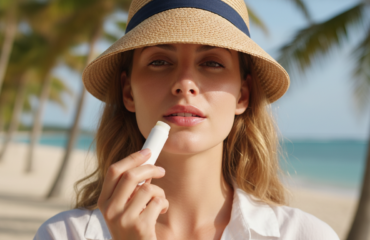
Illuminating primers form the foundation of many surface glow routines, creating a reflective base beneath makeup or worn alone for a fresh-faced appearance. These typically contain silicones for smooth application alongside light-reflecting pigments. Highlighters represent the most concentrated form of surface glow products, applied strategically to areas where light naturally hits the face—cheekbones, brow bones, and the bridge of the nose.
Luminising moisturisers combine hydration with subtle shimmer, offering skincare benefits alongside cosmetic radiance. These products often contain both moisturising ingredients like glycerin and optical enhancers. Facial oils with reflective properties have gained popularity, providing nourishment whilst creating a dewy appearance. Vitamin C serums, whilst offering genuine skincare benefits, also contribute to surface brightness by inhibiting melanin production and providing antioxidant protection that prevents dullness.
How Long Does Surface Glow Last?
Surface glow is inherently temporary, lasting only whilst the product remains on your skin. Illuminating primers and highlighters typically maintain their effect for 6-12 hours, depending on environmental factors like humidity, activity level, and natural oil production. Products applied directly to skin without makeup may fade more quickly as natural oils break down the formulation or as you touch your face throughout the day.
Environmental factors significantly impact longevity. Hot, humid conditions cause products to break down faster, whilst air-conditioned environments may help them last longer. Physical activity, particularly exercise that produces perspiration, quickly diminishes surface glow effects. The products literally wash away with sweat or water exposure, which is why surface glow requires reapplication for sustained effect—a clear indicator that nothing fundamental has changed within your skin’s structure.
Understanding Dermal Hydration: The Deeper Story
Dermal hydration refers to water content within the skin’s deeper layers, particularly the dermis, where cellular processes, collagen production, and structural support occur. Unlike surface moisture, which sits atop the skin, dermal hydration involves water molecules bound to proteins and glycosaminoglycans at the cellular level. This water content directly affects skin function, elasticity, and the ability to maintain plumpness and smooth texture.
The Skin’s Moisture Barrier and Water Retention
The stratum corneum, your skin’s outermost layer, functions as a sophisticated barrier preventing excessive water loss whilst protecting against environmental damage. This barrier consists of corneocytes (dead skin cells) surrounded by lipids in a structure often compared to bricks and mortar. When functioning optimally, this barrier allows approximately 5-15% water loss daily through trans-epidermal water loss (TEWL), a natural and necessary process.
Beneath this protective layer, the epidermis and dermis contain water-binding molecules that hold moisture within tissue. Natural moisturising factors (NMFs) in the epidermis—including amino acids, urea, and lactate—attract and retain water molecules. In the dermis, hyaluronic acid, a glycosaminoglycan naturally present in skin tissue, can hold up to 1,000 times its weight in water, providing the cushioning and support that keeps skin plump and resilient.
When this system functions properly, your skin maintains adequate hydration regardless of external conditions. However, factors including ageing, environmental damage, harsh skincare products, and certain medical conditions can compromise this delicate balance, leading to increased water loss and decreased water retention capacity within deeper skin layers.
How Hyaluronic Acid Functions in Deeper Skin Layers
Hyaluronic acid exists naturally throughout your body, with significant concentrations in skin tissue, particularly the dermis. This molecule’s unique structure allows it to bind water molecules, creating a gel-like matrix that provides structural support, facilitates nutrient transport, and maintains tissue hydration. In younger skin, hyaluronic acid content remains high, contributing to the plump, smooth appearance characteristic of youth.
As we age, natural hyaluronic acid production decreases, and the molecule’s structure changes, reducing its water-binding capacity. This decline contributes significantly to visible ageing signs—fine lines, loss of volume, and decreased skin resilience. The dermis becomes less hydrated, collagen fibres receive less structural support, and the skin’s ability to bounce back from expressions or environmental stress diminishes.
The challenge lies in replenishing hyaluronic acid at the dermal level. Whilst topical products can provide surface benefits, the molecule’s size typically prevents significant penetration through the intact skin barrier. This limitation has driven innovation in professional treatments designed to deliver hyaluronic acid directly to deeper skin layers where it can bind water and provide genuine structural hydration.
Why Topical Products Have Limitations
The skin’s barrier function, whilst essential for protection, inherently limits topical product penetration. Quality moisturisers can support the moisture barrier, provide surface hydration, and create an occlusive layer that reduces water loss. However, delivering active ingredients to the dermis through topical application alone presents significant challenges due to molecular size, formulation stability, and the barrier’s selective permeability.
Hyaluronic acid in topical products typically remains on the skin’s surface or penetrates only the outermost layers of the epidermis. Different molecular weights of hyaluronic acid affect penetration depth—smaller molecules may reach slightly deeper, whilst larger molecules remain on the surface. Both offer benefits, but neither achieves the deep dermal hydration that professional treatments can deliver.
This doesn’t diminish the value of quality topical products. They play a crucial role in maintaining barrier function, providing surface hydration, and supporting overall skin health. However, recognising their limitations helps set realistic expectations and highlights when professional interventions might provide benefits that topical products alone cannot achieve.
The Critical Differences Between Surface and Dermal Hydration
Understanding the distinctions between surface glow and dermal hydration empowers you to make informed decisions about skincare investments and treatment choices. These differences extend beyond mere depth, affecting duration, mechanism, and impact on actual skin health rather than just appearance.
Duration of Results: Temporary vs. Sustained
Surface glow products deliver immediate results that disappear within hours or upon cleansing. You can apply a highlighter before an event and enjoy radiant-looking skin in photographs, but the effect vanishes the moment you remove the product. This temporary nature requires continuous reapplication and ongoing product purchases to maintain the appearance.
Dermal hydration treatments, by contrast, create changes that persist for weeks or months. Professional treatments like Skinvive™ typically maintain results for approximately six months, whilst a series of Dermapen treatments builds cumulative improvements that last beyond the treatment period. These sustained results reflect genuine changes in skin structure and function rather than optical illusions.
The investment calculation differs significantly. Whilst professional treatments require higher upfront costs, the sustained results often prove more economical over time compared to continuously purchasing topical products that provide only temporary effects. Moreover, dermal hydration treatments improve actual skin health, creating benefits that extend beyond appearance to include improved texture, resilience, and function.
Skin Layer Depth: Epidermis vs. Dermis
Surface treatments affect only the stratum corneum, the outermost layer of dead skin cells that constantly sheds and regenerates. Products applied here can improve appearance and support barrier function but cannot reach living tissue where cellular processes occur. The stratum corneum, whilst crucial for protection, represents only a fraction of skin’s total thickness.
Dermal hydration addresses the dermis, the thick layer beneath the epidermis containing blood vessels, nerve endings, hair follicles, and crucially, the collagen and elastin fibres that provide skin’s structural support. The dermis also houses fibroblasts, cells responsible for producing collagen, elastin, and hyaluronic acid. Changes at this level affect skin function, not just appearance.
Professional treatments specifically target these deeper layers. Injectable treatments like Skinvive™ place hyaluronic acid directly into the dermis. Dermapen creates controlled micro-channels that allow serums to penetrate beyond the epidermis. Certain chemical peels stimulate dermal remodelling alongside exfoliation. These approaches bypass the barrier that limits topical product effectiveness.
Mechanism of Action: Reflection vs. Retention
Surface glow operates through physical optics—light reflection and diffusion. The mechanism is entirely external to skin biology. Particles in products bounce light back towards observers, creating the appearance of radiance without changing anything about how your skin functions. This approach is fundamentally cosmetic, manipulating perception rather than reality.
Dermal hydration involves biochemical processes within living tissue. Hyaluronic acid molecules bind water at the cellular level, creating hydrated tissue that functions differently than dehydrated tissue. This water content affects cellular metabolism, nutrient transport, waste removal, and the structural integrity of the extracellular matrix. The mechanism is biological, changing actual tissue composition and function.
This distinction matters when considering treatment goals. If you simply want to look radiant for an event, surface products serve that purpose efficiently. If you’re experiencing persistent dryness, uncomfortable tightness, or progressive textural changes, you’re likely dealing with inadequate dermal hydration that requires a different approach addressing the underlying issue rather than masking symptoms.
Impact on Skin Health and Structure
Surface products provide no lasting impact on skin health or structure. Once removed, skin returns to its previous state. Whilst quality formulations avoid damaging the moisture barrier, they don’t improve skin’s fundamental condition. The benefit is purely aesthetic and temporary.
Dermal hydration treatments create measurable changes in skin structure and function. Adequate dermal hydration supports collagen synthesis, improves cellular turnover, enhances nutrient delivery, and maintains the structural integrity of the extracellular matrix. Well-hydrated skin demonstrates improved elasticity, faster healing, and greater resilience to environmental stressors.
Research indicates that proper dermal hydration may slow certain aspects of skin ageing by maintaining the environment necessary for optimal cellular function. Whilst no treatment prevents ageing entirely, supporting skin’s natural processes through adequate hydration helps maintain function and appearance more effectively than surface treatments alone.
Professional Treatments for True Dermal Hydration
Professional aesthetic treatments deliver hydration to deeper skin layers through methods that bypass the limitations of topical application. These approaches require clinical expertise and often involve controlled disruption of the skin barrier or direct injection, allowing active ingredients to reach the dermis where they provide structural benefits.
Skinvive™: Injectable Hydration Without Filler Effects
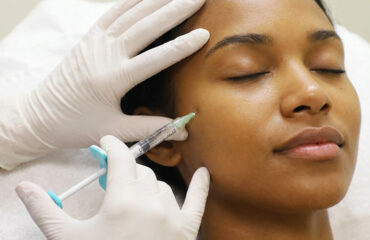
Skinvive™ represents a newer category of injectable treatments specifically formulated for dermal hydration rather than volumisation. Unlike traditional dermal fillers that add volume and change facial contours, Skinvive™ uses a particular formulation of hyaluronic acid designed to integrate into tissue and improve hydration, smoothness, and overall skin quality from within.
The treatment involves multiple small injections placed strategically in treatment areas, typically the face. The hyaluronic acid distributes throughout the dermis, where it binds water and creates a hydrated environment that supports cellular function. Patients generally experience improved skin texture, a natural-looking glow, and subtle smoothing of fine lines without the plumping effect associated with fillers.
Results typically develop over several weeks as the hyaluronic acid integrates into tissue and attracts water molecules. Most patients maintain results for approximately six months, after which repeat treatments can sustain benefits. The treatment requires minimal downtime, though some temporary swelling or bruising may occur at injection sites. This approach particularly suits patients seeking skin quality improvement without changing facial structure or volume.
Hydrating Chemical Peels: Exfoliation Meets Deep Moisture
Hydrating chemical peels differ from traditional peels by combining gentle exfoliation with delivery of hydrating ingredients. These formulations typically use milder acids—such as lactic acid, mandelic acid, or polyhydroxy acids—that exfoliate whilst also possessing humectant properties that attract and retain moisture.
The controlled exfoliation removes dead surface cells, improving product penetration and stimulating cellular turnover. Simultaneously, the hydrating components penetrate more deeply than they would through intact skin, delivering moisture to the upper dermis. Some formulations incorporate hyaluronic acid, peptides, or other hydrating ingredients that enter the skin during the peel process.
Patients typically require a series of treatments spaced several weeks apart for optimal results. Benefits include improved texture, reduced fine lines, enhanced radiance, and better hydration levels that persist beyond the immediate post-treatment period. Downtime is generally minimal, with possible mild redness or flaking for a few days. These peels suit patients wanting gradual improvement through cumulative treatments rather than single-session dramatic changes.
Dermapen with Hyaluronic-Focused Serums: Microneedling for Absorption
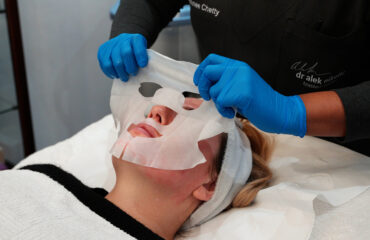
Dermapen treatments use automated microneedling devices that create controlled micro-channels in the skin, temporarily disrupting the barrier to allow enhanced product penetration. When combined with hyaluronic acid serums, this approach delivers hydrating ingredients to depths impossible through standard topical application.
The microneedling process itself stimulates collagen production through controlled injury response, whilst the channels allow serums to penetrate the epidermis and reach the upper dermis. Hyaluronic acid serums applied during treatment can access living tissue where they provide genuine hydration benefits. The combination addresses both skin structure (through collagen stimulation) and hydration simultaneously.
Treatment protocols typically involve a series of sessions spaced 4-6 weeks apart, allowing skin to heal and remodel between treatments. Results build cumulatively, with improvements in texture, hydration, fine lines, and overall skin quality becoming progressively more apparent. Downtime involves several days of redness and potential mild swelling, with full healing within a week. This approach suits patients willing to commit to a treatment series for comprehensive skin improvement.
Comparing Treatment Longevity and Results
Treatment longevity varies based on the specific procedure, individual factors, and maintenance approach. Skinvive™ typically provides results lasting approximately six months, after which repeat treatments maintain benefits. The investment involves periodic sessions to sustain dermal hydration levels.
Dermapen treatments create structural changes that persist beyond the immediate treatment period. A series of 3-6 sessions often produces improvements lasting a year or more, though maintenance treatments help sustain results. The collagen remodelling stimulated by microneedling provides ongoing benefits even after treatment completion.
Hydrating chemical peels generally require more frequent treatments to maintain results, often performed monthly or quarterly depending on the specific formulation and individual needs. However, they typically involve lower per-session costs and minimal downtime, making them accessible for ongoing maintenance.
Choosing between these approaches depends on your specific concerns, budget, tolerance for downtime, and desired timeline for results. Many patients benefit from combining treatments—perhaps Skinvive™ for sustained dermal hydration with periodic hydrating peels for surface refinement and maintenance.
Signs Your Skin Needs Dermal Hydration (Not Just Surface Glow)
Recognising when your skin requires deeper intervention helps you avoid wasting time and money on products that cannot address the underlying issue. Certain signs indicate that surface treatments alone will prove insufficient, suggesting that professional dermal hydration treatments may provide the improvement you’re seeking.
Fine Lines That Worsen Throughout the Day
Fine lines that appear more pronounced as the day progresses typically indicate inadequate dermal hydration. Well-hydrated skin maintains plumpness throughout the day, with minimal variation in line visibility. When dermal water content is insufficient, skin loses volume as the day continues, causing lines to deepen and become more noticeable.
This pattern differs from static wrinkles caused by collagen loss or sun damage, which remain consistent regardless of time of day. Dehydration lines often appear first around the eyes, where skin is thinnest, and may extend to the forehead and around the mouth. If your skin looks relatively smooth in the morning but progressively more lined by evening, dermal hydration is likely the issue.
Topical products may provide temporary improvement, but if you’re consistently applying moisturiser throughout the day with only brief relief, the problem exists deeper than surface treatments can reach. Professional treatments that deliver hydration to the dermis address the root cause rather than temporarily masking symptoms.
Dull Appearance Despite Using Illuminating Products
When your skin appears lacklustre even after applying illuminating primers, vitamin C serums, and highlighters, the dullness likely stems from inadequate dermal hydration rather than surface issues. Dehydrated skin scatters light irregularly, creating a flat, tired appearance that surface products cannot fully correct.
Well-hydrated dermal tissue creates a plump, smooth surface that reflects light evenly, producing natural radiance. When the dermis lacks adequate water content, the skin surface becomes slightly irregular at a microscopic level, disrupting light reflection. You might achieve temporary brightness from products, but the underlying dullness persists and returns quickly.
This sign often accompanies other dehydration indicators—tightness, increased sensitivity, or makeup that doesn’t apply smoothly. If you’ve invested in quality brightening products without achieving the radiant complexion you desire, dermal hydration treatments may provide the missing element that topical products cannot deliver.
Skin That Feels Tight or Uncomfortable
Persistent tightness or discomfort, particularly if it worsens in certain environments or after cleansing, suggests compromised barrier function and inadequate dermal hydration. Whilst surface dryness can cause temporary tightness that moisturiser relieves, deeper dehydration creates discomfort that returns quickly despite regular moisturiser application.
This sensation often indicates that both the moisture barrier and dermal hydration require attention. The barrier may be allowing excessive water loss, whilst the dermis lacks sufficient water-binding molecules to maintain adequate hydration. Topical products can support barrier repair but may not fully resolve the discomfort if dermal dehydration persists.
Patients experiencing this issue often describe their skin as “thirsty”—constantly needing moisture but never feeling satisfied. Professional treatments that deliver hydration to deeper layers whilst supporting barrier function typically provide more complete and lasting relief than topical products alone.
Makeup That Doesn’t Sit Smoothly
When foundation clings to dry patches, settles into fine lines, or appears cakey despite proper application techniques, the issue often stems from inadequate dermal hydration creating an uneven surface texture. Dehydrated skin lacks the smooth, plump canvas necessary for flawless makeup application.
This problem persists regardless of primer choice or application method. You might achieve acceptable results immediately after application, but within hours, the makeup breaks down, emphasising texture and lines. The issue isn’t your makeup technique—it’s the condition of the skin beneath.
Well-hydrated skin provides a smooth, resilient surface that holds makeup evenly throughout the day. Professional hydration treatments that improve dermal water content create the foundation necessary for makeup to perform as intended, eliminating the frustration of products that don’t work despite following all application guidelines.
Building a Comprehensive Hydration Strategy
Optimal skin hydration rarely results from a single approach. The most effective strategies combine professional treatments for dermal hydration with quality topical products for surface maintenance and barrier support, alongside lifestyle factors that influence overall skin health.
Combining Topical and Professional Treatments
Professional treatments and topical products serve complementary rather than competing roles. Injectable hydration treatments like Skinvive™ address dermal water content that topical products cannot reach, whilst quality moisturisers maintain barrier function and prevent excessive water loss from the hydration those treatments provide.
Following professional treatments, appropriate topical products help sustain results. Hyaluronic acid serums, whilst unable to reach the dermis when applied topically, support surface hydration and create an occlusive effect that reduces trans-epidermal water loss. Moisturisers containing ceramides, fatty acids, and cholesterol support barrier repair, helping skin retain the hydration professional treatments deliver.
This layered approach addresses hydration at multiple levels simultaneously. Professional treatments provide the deep, structural hydration that creates lasting change, whilst topical products maintain day-to-day barrier function and surface moisture. Together, they create synergistic benefits exceeding what either approach achieves alone.
The Role of Lifestyle Factors in Skin Hydration
Environmental and lifestyle factors significantly impact skin hydration regardless of treatment or product choices. Air conditioning, central heating, and low humidity environments increase trans-epidermal water loss, challenging even well-hydrated skin to maintain moisture levels. Using a humidifier, particularly in bedrooms during sleep, helps counteract these environmental stressors.
Diet influences skin hydration through multiple mechanisms. Adequate water intake supports overall hydration status, whilst essential fatty acids from sources like fish, nuts, and seeds support barrier function. Excessive alcohol and caffeine consumption may increase dehydration, though moderate intake within an overall balanced diet typically poses no significant concern.
Sun protection proves crucial for maintaining skin hydration capacity. UV damage impairs barrier function, reduces hyaluronic acid content, and accelerates collagen degradation—all factors that compromise skin’s ability to maintain adequate hydration. Daily broad-spectrum SPF use protects the investment you make in both professional treatments and quality skincare products.
Creating a Personalised Treatment Plan
Individual factors including age, skin type, environmental exposure, and specific concerns influence the optimal hydration strategy. A comprehensive skin assessment identifies your particular needs, determining whether you require primarily surface support, deep dermal hydration, or a combination approach.
Some patients achieve excellent results with professional treatments performed 2-3 times yearly for maintenance, supported by consistent topical care. Others with more significant dehydration may benefit from more frequent treatments initially, transitioning to maintenance once optimal hydration is achieved. Your aesthetic practitioner can recommend a timeline suited to your circumstances and goals.
Budget considerations also factor into treatment planning. Professional treatments represent an investment, and creating a sustainable plan ensures you can maintain results long-term rather than achieving temporary improvement followed by regression. Many patients find that combining less frequent professional treatments with quality home care provides better sustained results than either approach alone.
Common Misconceptions About Skin Hydration
Several persistent myths about skin hydration lead patients to make ineffective treatment choices or maintain unrealistic expectations. Addressing these misconceptions helps you approach skin hydration with accurate information and appropriate strategies.
Myth: Oily Skin Doesn’t Need Hydration
Oiliness and hydration represent entirely different aspects of skin condition. Oil refers to sebum production by sebaceous glands, whilst hydration refers to water content within skin tissue. Skin can simultaneously be oily and dehydrated—a common combination that often worsens when patients avoid moisturiser due to oiliness.
Dehydrated skin sometimes increases oil production in an attempt to compensate for lack of moisture, creating a frustrating cycle. Patients avoid hydrating products because their skin feels oily, which perpetuates dehydration, leading to more oil production. Appropriate hydration, both topical and dermal, often helps normalise oil production by addressing the underlying water deficiency.
Professional hydration treatments benefit oily skin types significantly. Improved dermal hydration can reduce compensatory oil production whilst improving overall skin function and appearance. The key lies in choosing appropriate formulations—lightweight, non-comedogenic products for topical care and professional treatments that address dermal hydration without adding surface occlusion.
Myth: Drinking More Water Alone Fixes Dehydrated Skin
Adequate water intake supports overall health and certainly contributes to skin hydration as part of systemic hydration status. However, simply increasing water consumption rarely resolves skin dehydration, particularly when barrier dysfunction or insufficient water-binding molecules in the dermis represent the underlying issue.
Water consumed orally distributes throughout the entire body based on physiological priorities. Skin receives hydration through this systemic circulation, but if the barrier allows excessive water loss or the dermis lacks molecules to bind and retain water, increasing intake alone won’t solve the problem. It’s similar to filling a bucket with holes—adding more water doesn’t address the fundamental issue of retention.
Optimal skin hydration requires both adequate internal hydration and external support through products and treatments that maintain barrier function and provide water-binding molecules where needed. Drinking sufficient water represents one component of a comprehensive approach rather than a standalone solution.
Myth: All Hyaluronic Acid Products Work the Same Way
Hyaluronic acid appears in numerous products, from drugstore moisturisers to professional injectable treatments, but these applications function very differently. Molecular weight, formulation, and delivery method dramatically affect what hyaluronic acid can achieve.
Topical hyaluronic acid products, regardless of quality, face penetration limitations due to the skin barrier. Different molecular weights affect how deeply they can reach—smaller molecules may penetrate the outer epidermis, whilst larger molecules remain on the surface. Both provide benefits, primarily surface hydration and reduced water loss, but neither reaches the dermis where structural hydration occurs.
Injectable hyaluronic acid treatments like Skinvive™ or dermal fillers place the molecule directly into the dermis, where it can bind water and provide structural support. The formulation, cross-linking, and concentration differ significantly from topical products, designed specifically for integration into dermal tissue. Understanding these distinctions prevents disappointment when topical products don’t deliver results comparable to professional treatments.
Making Informed Decisions About Your Skin’s Hydration Needs
Choosing between surface treatments and dermal hydration approaches requires understanding your specific concerns, realistic expectations, and commitment to maintenance. Both approaches offer value in appropriate contexts, and many patients benefit from strategic combination of both.
When to Choose Surface Treatments
Surface treatments serve specific purposes effectively and economically. If you need immediate radiance for an event, want to enhance your appearance in photographs, or simply enjoy the aesthetic of dewy, glowing skin, quality illuminating products provide that benefit without requiring professional intervention or significant investment.
Surface treatments also work well for patients with generally healthy, well-hydrated skin who simply want to enhance their natural appearance. If your skin feels comfortable, maintains consistent texture throughout the day, and responds well to basic moisturisers, you may not require professional dermal hydration treatments. Surface products can provide the finishing touch that enhances already healthy skin.
Budget-conscious patients can achieve satisfying cosmetic results with carefully chosen surface products whilst saving for professional treatments if deeper concerns develop. There’s no requirement to pursue professional treatments if your skin health and appearance meet your expectations with topical care alone.
When to Invest in Dermal Hydration Treatments
Professional dermal hydration treatments become worthwhile when surface products fail to address persistent concerns despite consistent use. If you experience ongoing dryness, progressive fine lines, uncomfortable tightness, or dullness that topical products don’t resolve, professional treatments likely offer benefits that justify the investment.
Patients noticing changes associated with ageing—decreased plumpness, slower recovery from environmental stress, or increased sensitivity—often benefit significantly from treatments that replenish dermal hyaluronic acid and restore water-binding capacity. These changes reflect genuine alterations in skin structure that require intervention beyond surface care.
Consider professional treatments as an investment in skin health rather than merely cosmetic enhancement. The improvements in texture, function, and resilience extend beyond appearance to actual tissue quality. For many patients, this represents value that transcends the immediate cosmetic benefit, contributing to long-term skin health and potentially reducing more aggressive interventions later.
Working with a Professional for Optimal Results
Professional consultation provides personalised assessment of your skin’s condition, identifying specific factors contributing to any hydration concerns. Aesthetic practitioners can distinguish between surface issues manageable with topical care and deeper concerns requiring professional intervention, preventing wasted effort on approaches unlikely to succeed.
A qualified practitioner also designs treatment protocols suited to your individual circumstances, combining appropriate professional treatments with recommended home care for optimal results. This guidance proves particularly valuable when multiple concerns exist simultaneously—perhaps dehydration alongside pigmentation or texture issues—requiring coordinated approaches.
Professional relationships also enable treatment adjustment based on response. Skin changes over time due to ageing, environmental factors, and life circumstances. Ongoing professional guidance ensures your hydration strategy evolves appropriately, maintaining optimal results through various life stages and circumstances.
—
Frequently Asked Questions
What’s the main difference between surface glow and dermal hydration?
Surface glow is a temporary cosmetic effect created by light-reflecting products on the skin’s outermost layer, lasting hours to a day. Dermal hydration involves actual water retention within deeper skin layers at the cellular level, providing structural support and lasting weeks to months. Surface glow changes appearance, whilst dermal hydration changes skin function and health.
Can topical products alone provide true dermal hydration?
Topical products have limitations in reaching deeper skin layers due to the skin’s protective barrier function. Whilst quality moisturisers with ingredients like hyaluronic acid can support surface hydration and help maintain the moisture barrier, they typically cannot deliver the same level of deep dermal hydration as professional treatments. A combination approach often yields the best results.
How does Skinvive™ differ from traditional dermal fillers?
Skinvive™ is an injectable hydration treatment, not a volumising filler. It uses a specific formulation of hyaluronic acid designed to improve skin hydration and smoothness from within, rather than adding volume or changing facial contours. Patients typically experience improved skin quality, texture, and a natural glow without the plumping effect associated with traditional fillers.
How long do results from dermal hydration treatments typically last?
Results vary depending on the treatment type and individual factors. Skinvive™ results generally last around six months, hydrating chemical peels may provide benefits for several weeks to months with regular treatments, and Dermapen with hyaluronic serums typically requires a series of sessions with results building over time. Professional consultation can provide personalised expectations based on your skin’s needs.
Will hydrating chemical peels make my skin more sensitive?
Hydrating chemical peels are generally gentler than more aggressive peeling treatments, designed to exfoliate whilst delivering moisture to the skin. Some temporary sensitivity or mild redness immediately following treatment is normal, but most patients experience improved skin resilience over time. Your practitioner will recommend appropriate post-treatment care and sun protection to minimise sensitivity.
Can I combine surface glow products with dermal hydration treatments?
Absolutely. Combining both approaches often creates optimal results: professional treatments address deeper hydration needs whilst topical products maintain the moisture barrier and provide immediate radiance. Your aesthetic practitioner can recommend specific products that complement your treatment plan without interfering with results or recovery.
How do I know if my skin needs dermal hydration or just better topical products?
Signs that suggest deeper hydration needs include fine lines that worsen throughout the day, persistent dullness despite using quality products, skin that feels tight or uncomfortable, and makeup that doesn’t sit smoothly. If you’ve tried quality topical products consistently for several weeks without improvement, professional dermal hydration treatments may be beneficial. A skin assessment can provide clarity.
Is Dermapen with hyaluronic serums painful?
Most patients describe the sensation as tolerable, often comparing it to light scratching or tingling. Topical numbing cream is typically applied before treatment to minimise discomfort. The depth of needling and individual pain tolerance affect the experience, but practitioners adjust settings to ensure patient comfort whilst achieving effective results.
Does drinking more water improve skin hydration?
Adequate water intake supports overall health and skin function, but drinking more water alone doesn’t directly translate to improved skin hydration, especially if underlying issues like barrier dysfunction or lack of water-binding molecules exist. Proper hydration involves both internal factors (water intake, diet) and external support (topical products, professional treatments) working together.
Can oily skin be dehydrated and need dermal hydration treatments?
Yes, oily skin can absolutely be dehydrated. Oiliness refers to sebum production, whilst hydration refers to water content in the skin. In fact, dehydrated skin sometimes overproduces oil to compensate for lack of moisture. Many patients with oily skin benefit significantly from proper hydration treatments, which can help balance oil production and improve overall skin health.