Deep dermal dehydration manifests through persistent tightness, progressive fine lines, dull texture, heightened sensitivity, and makeup application challenges that surface moisturisers cannot resolve.
- Persistent tightness and discomfort despite regular moisturising indicates dermal-level dehydration requiring professional intervention
- Fine lines that deepen throughout the day signal compromised water-binding capacity in deeper skin layers
- Dull, lacklustre complexion with rough texture reflects inadequate hydration at the dermal level
- Increased product sensitivity and inflammatory responses often stem from compromised skin barrier function due to dehydration
- Makeup application issues and rapid product absorption suggest the skin is desperately drawing moisture from topical applications
Your skin needs deeper hydration when you experience persistent tightness despite moisturising, visible fine lines that worsen throughout the day, dull complexion with uneven texture, increased sensitivity to products, and makeup that appears patchy or settles into creases within hours of application.
Your moisturiser sits on your bathroom shelf, faithfully applied morning and evening, yet your skin still feels uncomfortable. Perhaps you’ve noticed fine lines becoming more pronounced as the day progresses, or your foundation separates in ways it never used to. These aren’t simply signs of ageing or inadequate products—they’re clinical indicators that your skin requires deeper hydration at the dermal level, not just surface moisture.
Understanding the distinction between surface hydration and dermal water content proves essential for addressing persistent skin concerns. Whilst topical moisturisers provide temporary relief by coating the outermost layer of skin, true hydration occurs within the deeper dermal layers where water binds to structural proteins and maintains skin architecture. When this internal hydration system becomes compromised, specific symptoms emerge that no amount of surface moisturising can resolve.
Recognising these clinical indicators allows you to address the root cause rather than merely treating symptoms. The following seven signs reveal when your skin’s hydration needs extend beyond what conventional skincare can provide, signalling that professional intervention may offer the most effective solution.
The Persistent Tightness That Won’t Respond to Moisturiser
What Dermal Tightness Actually Feels Like
Dermal tightness differs markedly from the temporary tautness you might experience after cleansing. This sensation persists throughout the day, creating a feeling that your skin doesn’t quite fit comfortably. Many patients describe it as though their face is being gently pulled in multiple directions, or as if their skin has shrunk slightly overnight. This discomfort often intensifies when you smile or make facial expressions, creating an awareness of your skin that shouldn’t exist when hydration levels are optimal.
The sensation typically concentrates around areas where skin naturally experiences more movement—around the eyes, mouth, and forehead. Unlike surface dryness that responds quickly to moisturiser application, dermal tightness remains largely unchanged even after applying multiple hydrating products. This persistent discomfort indicates that the deeper layers of your skin lack sufficient water content to maintain their natural elasticity and comfort.
Why Surface Hydration Isn’t Reaching the Problem
Your skin’s structure comprises multiple layers, with the epidermis serving as the protective outer barrier and the dermis providing structural support beneath. Surface moisturisers primarily affect the stratum corneum—the outermost layer of dead skin cells. These products create a temporary barrier that reduces water loss and makes skin feel smoother, but they cannot directly hydrate the living dermal tissue below.
The dermis contains approximately 70% water bound to glycosaminoglycans, particularly hyaluronic acid, which naturally occurs within this layer. When dermal hydration becomes depleted, the water-binding capacity diminishes, creating a deficit that topical products cannot adequately address. Molecular size prevents most skincare ingredients from penetrating deeply enough to affect dermal water content significantly.
The 30-Minute Test for True Hydration Needs
A simple assessment can help determine whether your tightness stems from surface dryness or deeper dehydration. Apply your regular moisturiser generously and wait 30 minutes whilst going about your normal activities. If the tight sensation returns within this timeframe, your skin likely requires deeper hydration than topical products can provide. Properly hydrated skin maintains comfort for several hours after moisturiser application.
Additionally, observe how your skin behaves in different environments. Dermal dehydration creates consistent tightness regardless of humidity levels, whilst surface dryness typically worsens in dry conditions and improves in humid environments. This distinction helps identify whether your concerns originate from compromised barrier function or insufficient dermal water content.
Fine Lines That Deepen Throughout Your Day
Morning vs Evening Line Depth: What It Reveals
Observe your reflection carefully in the morning after your skincare routine, then again in the evening before cleansing. If fine lines around your eyes, mouth, and forehead appear noticeably deeper by day’s end, this progression indicates insufficient dermal hydration. Well-hydrated skin maintains relatively consistent appearance throughout the day, with minimal variation in line depth.
This temporal deepening occurs because dehydrated dermal tissue cannot maintain its plump, resilient structure under the mechanical stress of facial movements and expressions. Each smile, squint, or frown compresses tissue that lacks adequate water content to bounce back fully. Over hours, these repeated compressions create increasingly visible creases that weren’t apparent when you began your day.
The Pinch Test for Dermal Elasticity
Gently pinch the skin on the back of your hand, holding for five seconds before releasing. Properly hydrated skin snaps back immediately into its original position. If the pinched skin takes more than a second to flatten, or if a ridge remains visible briefly, this suggests compromised dermal hydration affecting skin elasticity.
Whilst this test proves more dramatic on hand skin (which naturally contains less subcutaneous fat than facial skin), the principle applies to facial tissue as well. Dermal dehydration reduces the skin’s ability to return to its resting state after being stretched or compressed, contributing to the formation and persistence of fine lines.
Expression Lines vs Dehydration Lines
Expression lines form perpendicular to muscle contraction—crow’s feet radiating from eye corners, horizontal forehead lines, and vertical frown lines between brows. These result from repeated muscle movements over time. Dehydration lines, however, present as a fine crosshatch pattern of superficial creases that appear across broader areas, including spaces between expression lines.
Dehydration lines often manifest as delicate, crepey texture particularly visible under certain lighting conditions. They may appear on areas that don’t experience significant muscle movement, such as the upper cheeks or temples. When both expression lines and dehydration lines coexist, the overall effect significantly ages appearance beyond what expression lines alone would create.
Dull, Lacklustre Complexion Despite Skincare Routine
How Dermal Dehydration Affects Light Reflection
Healthy, well-hydrated skin reflects light evenly, creating the luminous quality often described as “glow” or “radiance”. This optical property depends largely on the skin’s water content and surface smoothness. When dermal hydration diminishes, the skin’s surface becomes microscopically irregular, scattering light rather than reflecting it uniformly. This scattering creates a matte, flat appearance that lacks dimension and vitality.
The relationship between hydration and radiance extends beyond simple light reflection. Adequate dermal water content maintains optimal spacing between collagen fibres and cellular structures, allowing light to penetrate slightly into the skin before reflecting back. This subsurface interaction creates depth and luminosity that surface products alone cannot replicate.
Texture Changes That Signal Deep Hydration Loss
Run your fingertips lightly across your cheek. Dehydrated skin often feels slightly rough or uneven, even when no visible flaking exists. This subtle textural change results from individual skin cells becoming slightly misaligned when they lack adequate hydration to maintain their optimal shape and positioning. The cumulative effect of millions of slightly irregular cells creates an overall texture that feels less smooth than properly hydrated skin.
You might also notice that your pores appear more prominent when dermal hydration decreases. This occurs not because pores actually enlarge, but because the surrounding tissue loses its plump, taut quality, making pore openings more visible by comparison. This textural change contributes significantly to the aged, tired appearance that accompanies chronic dehydration.
The Connection Between Radiance and Water Content
Clinical experience shows that patients often describe their skin as looking “grey”, “tired”, or “lifeless” when experiencing dermal dehydration, even when no other obvious skin concerns exist. This perception stems from the complex interplay between water content, cellular function, and light interaction. Dehydrated cells function less efficiently, potentially affecting the natural turnover process that keeps skin looking fresh and vibrant.
The dulling effect of dehydration proves particularly noticeable in comparison photographs. When patients address dermal hydration through appropriate treatments, the improvement in skin radiance often appears more dramatic than changes from other interventions, highlighting how fundamental adequate hydration is to healthy-looking skin.
Increased Sensitivity and Inflammatory Responses
Why Dehydrated Skin Becomes Reactive
Your skin’s barrier function depends on adequate hydration to maintain the lipid matrix that protects against external irritants and allergens. When dermal hydration decreases, this protective barrier becomes compromised, allowing potentially irritating substances to penetrate more deeply than they should. Additionally, dehydrated skin cells produce inflammatory mediators more readily, creating a state of heightened reactivity.
This increased sensitivity manifests as exaggerated responses to products, environmental factors, and even touch. Patients frequently report that skincare products they’ve used successfully for years suddenly cause discomfort, or that their skin reacts to temperature changes, wind, or air conditioning more dramatically than previously.
Products That Suddenly Sting or Burn
When previously well-tolerated products begin causing stinging, burning, or tingling sensations, dermal dehydration often contributes to this change. Active ingredients like retinoids, acids, and vitamin C may penetrate more aggressively through compromised barrier function, whilst the skin’s reduced capacity to buffer these ingredients creates more intense reactions.
Even gentle products containing preservatives or fragrances might trigger discomfort in significantly dehydrated skin. This sensitivity doesn’t necessarily indicate allergy or intolerance—rather, it reflects the skin’s compromised state. Many patients find that addressing dermal hydration restores their ability to use products that had become problematic.
Redness Patterns in Dehydration vs Other Conditions
Dehydration-related redness typically presents as diffuse, generalised flushing rather than the localised patches characteristic of conditions like rosacea or contact dermatitis. This redness may intensify after cleansing, following product application, or in response to temperature changes. Unlike inflammatory skin conditions that show consistent patterns, dehydration-related redness often varies in intensity and distribution.
The redness associated with dehydration usually responds positively to hydration-focused treatments, whilst inflammatory conditions require targeted anti-inflammatory approaches. This differential response helps distinguish between these overlapping presentations during professional assessment.
Makeup Application and Wear Issues
Foundation That Separates or Looks Patchy
Foundation performance provides surprisingly reliable insight into skin hydration status. When applied to dehydrated skin, foundation often appears uneven within hours, settling into fine lines and separating around the nose, chin, and forehead. This occurs because dehydrated skin continues absorbing moisture from makeup products throughout the day, causing formulations to break down and lose their uniform appearance.
You might notice that foundation clings to dry patches you didn’t realise existed, or that coverage becomes increasingly uneven as hours pass. These application challenges persist regardless of primer use or foundation type, indicating that the issue originates from skin condition rather than product selection or technique.
Products Absorbing Too Quickly
Dehydrated skin demonstrates an almost insatiable appetite for moisture-containing products. Serums, moisturisers, and primers seem to disappear immediately upon application, leaving skin feeling tight again within minutes. This rapid absorption occurs because dehydrated tissue draws moisture from topical products to compensate for internal deficits.
Whilst this might initially seem positive—suggesting your skin is “drinking up” beneficial products—it actually indicates that surface application cannot adequately address deeper hydration needs. Products should provide lasting comfort rather than requiring constant reapplication throughout the day.
Powder Products That Emphasise Texture
Powder formulations, including setting powders, blushes, and eyeshadows, accentuate textural irregularities in dehydrated skin. Rather than blending smoothly, these products may appear patchy, settle into fine lines, or create an unexpectedly aged appearance. This occurs because powder particles adhere unevenly to the microscopically irregular surface of dehydrated skin.
Many patients report avoiding powder products entirely when experiencing significant dehydration, as these formulations make skin concerns more visible rather than concealing them. The inability to wear certain makeup types comfortably often serves as a motivating factor in seeking professional hydration treatments.
When Professional Intervention Becomes Necessary
Self-Care Limitations for Dermal Hydration
Recognising when home skincare reaches its limitations proves essential for achieving optimal results. Topical products excel at maintaining adequate surface hydration and supporting barrier function, but they cannot directly replenish depleted dermal water content. Molecular size, penetration barriers, and the fundamental difference between surface moisture and dermal hydration create inherent limitations to what even excellent skincare products can achieve.
If you’ve maintained a consistent, appropriate skincare routine for six to eight weeks without significant improvement in the clinical indicators discussed above, this suggests your hydration needs extend beyond what topical products can address. Persistent symptoms despite diligent self-care indicate that professional assessment and treatment may provide more effective solutions.
Professional Treatments That Address Deep Dehydration
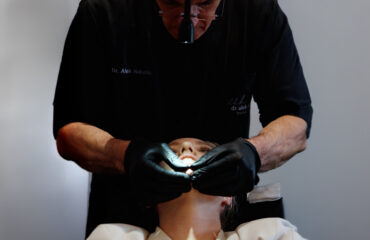
Several professional treatments specifically target dermal hydration. Injectable hyaluronic acid treatments place water-binding molecules directly into the dermal layer, where they attract and retain moisture at the source of depletion. These treatments provide immediate hydration that topical products cannot replicate, often producing visible improvement in skin quality within days.
Other professional options include treatments that stimulate the skin’s natural hyaluronic acid production, improve barrier function to reduce water loss, or combine multiple approaches for comprehensive hydration support. Professional assessment determines which treatments best address your specific concerns and skin characteristics.
Creating Your Personalised Hydration Strategy
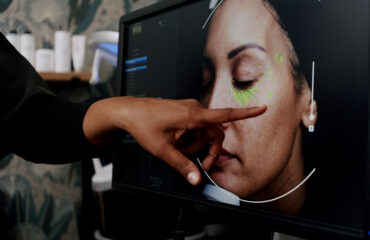
Effective hydration management typically requires a comprehensive approach combining professional treatments with optimised home care. During consultation, practitioners assess your skin’s specific needs, considering factors like age, skin type, environmental exposures, and lifestyle factors that influence hydration status.
A personalised strategy might include professional treatments to restore dermal hydration initially, followed by maintenance protocols and home skincare adjustments to sustain improvements. This integrated approach addresses both immediate concerns and long-term skin health, ensuring lasting results rather than temporary improvements.
Frequently Asked Questions
How do I know if my skin needs deeper hydration or just better moisturiser?
The 30-minute test provides useful guidance: apply your current moisturiser generously and assess comfort levels after half an hour. If tightness returns quickly, or if you experience the other clinical indicators described above despite consistent moisturiser use, your needs likely extend beyond surface hydration. Additionally, consider whether your concerns persist across different environmental conditions—dermal dehydration creates consistent symptoms regardless of humidity, whilst surface dryness varies with environmental factors.
Can dehydrated skin look oily at the same time?
Yes, this seemingly contradictory presentation occurs frequently. When skin becomes dehydrated, it may overproduce sebum in an attempt to protect the compromised barrier. This creates the confusing situation where your skin feels tight and dehydrated whilst simultaneously appearing shiny or oily. The key distinction is that oily skin feels comfortable and supple, whilst dehydrated skin producing excess oil still feels tight and uncomfortable beneath the surface shine.
How long does it take to rehydrate skin at the dermal level?
The timeframe varies based on dehydration severity and treatment approach. Professional treatments that place hyaluronic acid directly into the dermis provide immediate hydration, with visible improvements often apparent within 24 to 48 hours. However, optimal results typically develop over two to four weeks as the treatment reaches its full effect. Maintaining dermal hydration requires ongoing attention through appropriate skincare and potentially periodic professional treatments, as the factors that created dehydration initially often persist.
Are there specific areas of the face that show dehydration first?
The eye area typically demonstrates dehydration earliest, as this region has thinner skin with fewer sebaceous glands and experiences constant movement. The cheeks and forehead often show signs next, particularly in individuals who spend significant time in air-conditioned or heated environments. However, dehydration patterns vary based on individual factors including age, skin type, environmental exposures, and genetic predisposition.
What’s the difference between dry skin and dehydrated skin?
Dry skin represents a skin type characterised by insufficient sebum production, creating a tendency towards flaking, roughness, and discomfort that remains relatively constant. Dehydrated skin describes a temporary condition where water content becomes depleted, and can affect any skin type—even oily skin can become dehydrated. Dry skin requires oil-based products to supplement sebum deficiency, whilst dehydrated skin needs water-based hydration and treatments that improve water retention. Many people experience both conditions simultaneously, requiring a comprehensive approach addressing both oil and water needs.
Conclusion
Recognising the clinical indicators of dermal dehydration empowers you to address skin concerns at their source rather than merely treating surface symptoms. The persistent tightness, progressive fine lines, dullness, sensitivity, and makeup application challenges described above signal that your skin requires deeper intervention than conventional moisturisers can provide.
Understanding the distinction between surface moisture and dermal hydration—concepts explored in depth in our pillar article on surface glow versus dermal hydration—proves fundamental to achieving lasting skin health and appearance improvements. When home skincare reaches its limitations, professional treatments offer effective solutions for restoring and maintaining optimal dermal hydration.
If you’re experiencing multiple indicators discussed in this article, consider scheduling a professional assessment to develop a personalised hydration strategy. Addressing dermal dehydration not only improves immediate comfort and appearance but also supports long-term skin health, creating the foundation for radiant, resilient skin that responds optimally to your skincare investment.
Related Articles
- understanding the difference between surface and dermal hydration
– Essential context for why surface moisturisers fail to address deeper hydration needs