Melasma and stubborn pigmentation respond to carefully structured, condition-led protocols rather than individual products, because the condition is chronic, multifactorial, and highly prone to relapse without consistent management.
- Melasma is a chronic condition driven by hormones, UV exposure, and inflammation, which means it requires ongoing management rather than a one-off fix.
- Sun damage and melasma look similar but behave differently; correct identification through detailed skin assessment changes the entire treatment approach.
- A layered protocol combining chemical peels, microneedling with depigmentation solutions, and prescription-grade homecare consistently outperforms any single product or procedure.
- VISIA skin analysis allows the practice to visualise pigmentation beneath the skin surface and track treatment progress objectively over time.
- Realistic expectations and strict UV avoidance are non-negotiable parts of every melasma protocol; without them, even well-chosen treatments will underdeliver.
Melasma is a chronic, hormonally influenced pigmentation condition that cannot be resolved by a single product or treatment. Lasting improvement requires a layered protocol combining skin assessment, targeted peels, microneedling with depigmentation solutions, strict UV avoidance, and ongoing maintenance, tailored to your specific pigmentation type and triggers.
You buy the brightening serum. You use it every morning. Six weeks later, the patches on your cheeks look exactly the same, or worse after a weekend in the sun. If this sounds familiar, you are not doing anything wrong. The problem is not your commitment to skincare. The problem is that melasma does not respond to single-ingredient solutions, and understanding why changes everything about how you approach treatment.
Melasma is a chronic, hormonally influenced pigmentation condition that cannot be resolved by a single product or treatment. Lasting improvement requires a layered protocol combining skin assessment, targeted peels, microneedling with depigmentation solutions, strict UV avoidance, and ongoing maintenance, tailored to your specific pigmentation type and triggers.
This article explains the science behind that statement, walks you through what a properly structured protocol looks like, and gives you realistic expectations for what the process involves. Whether you are researching options for the first time or reassessing after a previous treatment that did not deliver, the goal here is clarity rather than persuasion.
—
Why Melasma Is One of the Most Challenging Skin Conditions to Treat
What makes melasma different from ordinary sun damage?
At a glance, melasma and sun damage can look almost identical: brown or grey-brown patches sitting across the cheeks, upper lip, or forehead. The difference lies beneath the surface, and it matters enormously for treatment planning.
Sun-induced pigmentation, including age spots and post-inflammatory marks, tends to be localised, relatively superficial, and driven primarily by cumulative UV exposure. Melasma is more complex. It typically presents symmetrically across the face, which is an early diagnostic clue, and it involves a dysregulation of melanocytes, the pigment-producing cells in the skin, that goes beyond a simple UV response.
Melasma pigmentation can sit in the epidermis (the outer layer), the dermis (the deeper layer), or both simultaneously. Mixed-type melasma is particularly resistant to treatment because strategies that address epidermal pigmentation often have limited reach into the dermis, and vice versa. Treating the wrong layer with the wrong approach produces frustrating, short-lived outcomes.
The role of hormones, UV exposure, and inflammation in driving pigmentation
Three overlapping drivers sustain melasma, and understanding all three is essential before any treatment begins.
Hormonal influence is the most recognised trigger. Oestrogen and progesterone appear to sensitise melanocytes, making them hyperresponsive to other stimuli. This is why melasma is so common during pregnancy and in people using oestrogen-containing contraceptives. It also explains why the condition can persist or worsen even with careful sun protection if the hormonal trigger remains active.
UV exposure is the second driver, and arguably the most controllable. UV light directly stimulates melanin production, but in melasma-prone skin, the melanocytes overrespond, producing pigmentation that is disproportionate to the level of exposure. Even brief, incidental sun exposure, walking to your car, sitting near a window, can be enough to undo weeks of treatment progress.
Inflammation is the third, and often overlooked, driver. Heat, friction, certain skincare ingredients, and aggressive treatments can all trigger post-inflammatory hyperpigmentation in melasma-prone skin. This is one reason why melasma requires a measured, calibrated approach rather than the most aggressive option available.
—
Assessment Before Treatment: Why Getting the Diagnosis Right Changes Everything
How VISIA skin analysis maps pigmentation beneath the surface
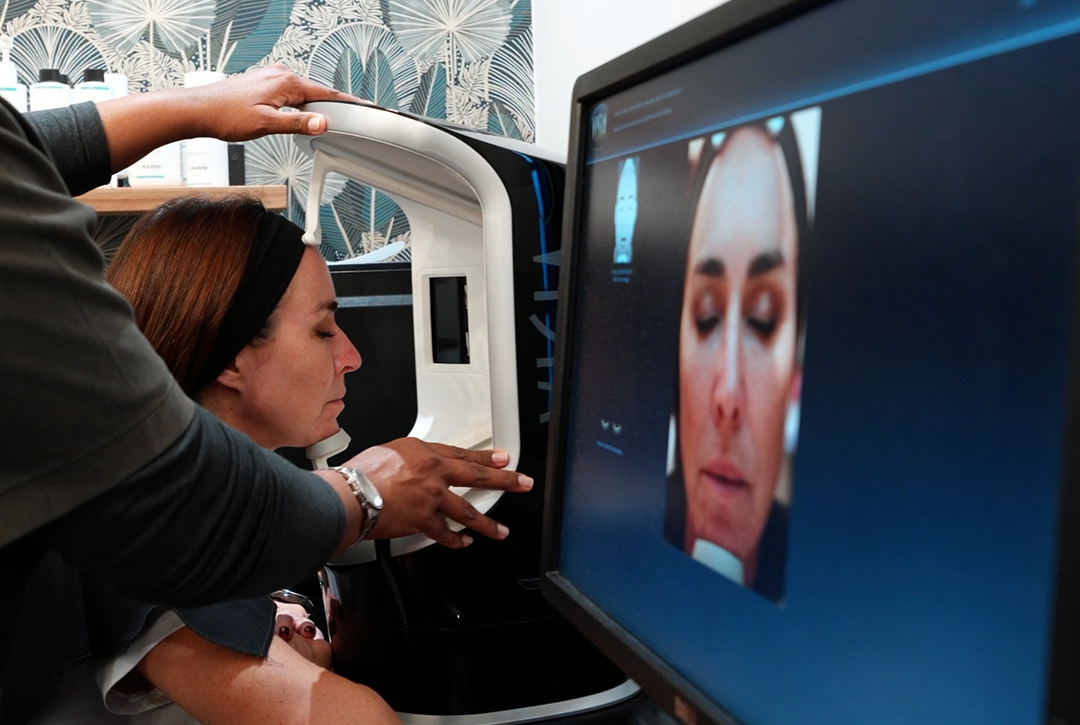
Before any treatment decision is made at this practice, your skin is assessed using VISIA skin analysis. VISIA is an imaging system that captures standardised photographs under multiple light conditions, including cross-polarised and UV fluorescence modes, to reveal pigmentation that is not yet visible on the skin surface.
For melasma management specifically, VISIA serves several functions. It provides a precise baseline record before treatment begins, which is important because subjective memory is unreliable when you are looking at your own face every day. It helps identify the depth and distribution of pigmentation, distinguishing between epidermal and dermal involvement where possible. And it allows objective comparison at each review appointment, so progress is measured against actual data rather than impression.
This matters more than it might initially seem. Melasma can appear to improve in winter and worsen in summer, making it easy to attribute improvement to a treatment that simply coincided with reduced UV exposure. Objective VISIA imaging removes that ambiguity.
What a detailed pigmentation assessment looks for before any treatment begins
Beyond imaging, a careful skin assessment at this practice gathers the clinical information that shapes your personalised protocol. This includes your skin tone and Fitzpatrick classification, which influences the choice and intensity of every treatment modality. Darker skin tones carry a higher risk of post-inflammatory hyperpigmentation, and this directly affects peel selection, microneedling parameters, and homecare formulations.
The assessment also covers your hormonal history, including contraceptive use, pregnancy history, and any relevant medical conditions. It examines your current skincare routine for ingredients that may be sensitising or counterproductive. And it establishes your capacity for UV avoidance, which is not a trivial question in Cape Town’s climate.
Starting treatment without this foundation is not a shortcut. It is a reason treatments fail.
—
Understanding the Layered Pigmentation Protocol
Chemical peels for melasma: what they do and what they cannot do alone
Chemical peels work by accelerating epidermal cell turnover, removing pigmented surface cells and stimulating the production of new, more evenly pigmented skin. For melasma, peels containing agents such as glycolic acid, lactic acid, mandelic acid, or modified Jessner’s solution are typically used, chosen based on your skin tone and pigmentation depth.
Peels can produce meaningful fading of superficial epidermal melasma, and they improve the penetration of active homecare ingredients applied afterwards. Used consistently within a protocol, they contribute significantly to overall improvement.
What they cannot do alone is address dermal pigmentation, prevent hormonal reactivation, or substitute for UV protection. Research consistently shows that peels used in isolation produce faster relapse than peels used as one component of a layered approach. They are an important tool, not a standalone solution.
Microneedling with depigmentation solution: how combining modalities improves outcomes
Microneedling using Dermapen 4 creates controlled micro-channels in the skin, which serve two purposes in a pigmentation protocol. First, the micro-injury stimulates a controlled healing response that can help normalise melanocyte activity over time. Second, and critically for melasma, those micro-channels dramatically improve the absorption of a topical depigmentation solution applied during the treatment, delivering active ingredients to a depth that surface application cannot reach.
The depigmentation solutions used in this context typically contain combinations of ingredients that interrupt melanin synthesis at different points in the production pathway, working on multiple mechanisms simultaneously rather than a single target.
It is important to note that microneedling for melasma is not the same as microneedling for skin rejuvenation. The depth, intensity, and aftercare differ, and incorrect technique can provoke post-inflammatory hyperpigmentation and worsen the condition significantly. This is a clinician-performed treatment within a carefully designed protocol, not a general skin treatment applied to melasma as an afterthought.
Prescription homecare and the role of active ingredients between clinic visits
Clinic treatments address pigmentation in sessions spaced weeks apart. What happens to your skin in the intervals between those sessions matters just as much. Prescription-grade homecare extends and consolidates the work done in clinic, keeping melanocyte activity suppressed between appointments.
Active ingredients used in melasma homecare commonly include topical retinoids, which accelerate cell turnover and have a direct effect on pigment transfer; azelaic acid, which inhibits melanin synthesis and has an anti-inflammatory action; kojic acid; niacinamide; and in some cases hydroquinone used in short, supervised courses. The specific formulation you use is determined by your skin assessment, not by what happens to be available over the counter.
Homecare without clinic treatment underdelivers. Clinic treatment without homecare underdelivers. The two work together, and the protocol only functions as designed when both are in place.
—
UV Avoidance: The Part of the Protocol Most People Underestimate
If there is one element of melasma management that is consistently underestimated, it is UV avoidance. Not because people do not know sun protection matters, but because the level of protection required for melasma is considerably more demanding than general sun-safe behaviour.
Broad-spectrum SPF 50+ applied every morning is the baseline, not the ceiling. In practice, this means reapplying every two hours during any outdoor exposure, wearing a broad-brimmed hat when outside, and avoiding peak UV hours where possible. In Cape Town, with its high UV index for much of the year, this is not a theoretical recommendation. It is a clinical necessity.
Research suggests that visible light, not just UV, can also stimulate melanin production in melasma-prone skin. This has led to growing interest in tinted physical sunscreens containing iron oxides, which provide a degree of protection against visible light that standard chemical sunscreens do not offer. Whether you use a tinted or untinted formulation, the priority is consistent daily use without gaps.
Heat is a separate consideration that surprises many people. Infrared radiation and skin surface heat, whether from sun exposure, hot showers, saunas, or vigorous exercise, can independently trigger melanocyte activity in melasma-prone skin. This does not mean you need to avoid all warmth, but it does mean being aware that heat management is part of the protocol.
The clinical reality is straightforward: no combination of peels, microneedling, and prescription homecare will hold its improvement if UV protection is inconsistent. Practitioners who do not make this explicit are not giving you the full picture. At this practice, UV avoidance is not an afterthought at the end of your appointment. It is a foundational pillar of the protocol, discussed in detail and revisited at every review.
—
What to Realistically Expect from Your Melasma Treatment Timeline
Melasma does not fade quickly, and setting accurate expectations at the outset prevents the frustration that leads people to abandon protocols before they have had time to work.
Most people begin to see measurable improvement after six to eight weeks of a structured protocol. Meaningful, visible fading typically takes three to six months. Deeper dermal melasma responds more slowly than superficial epidermal pigmentation, and mixed-type melasma sits somewhere in between, with epidermal layers responding first while the dermal component requires sustained effort.
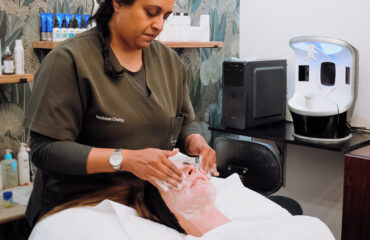
A typical protocol at this practice involves an initial detailed assessment, followed by a series of clinic treatments spaced at appropriate intervals, combined with prescription homecare and strict UV avoidance throughout. The exact number and frequency of sessions depends on your skin assessment findings, your skin tone, and how your skin responds to initial treatment.
Tracking progress objectively: why subjective comparison misleads
One of the most common sources of discouragement in melasma treatment is comparing your skin today to your memory of how it looked three months ago. Human memory for skin appearance is unreliable, particularly when you are emotionally invested in the outcome and examining your face in varying light conditions every day.
This is where VISIA imaging becomes practically valuable rather than simply diagnostic. Standardised photographs taken at baseline and at each review appointment give you and your practitioner an objective record to compare. Progress that is invisible to daily self-examination often becomes clearly apparent when you compare calibrated images side by side.
Objective tracking also helps identify when a protocol element needs adjustment. If imaging shows that epidermal pigmentation is responding but dermal involvement is not shifting, the protocol can be modified accordingly. Without that data, adjustments are guesswork.
—
Melasma Relapse and Long-Term Maintenance: Planning for the Condition, Not Just the Episode
Understanding that melasma is a chronic condition rather than a problem to be solved once is not pessimism. It is accurate, and it changes how you plan your care.
Even when a protocol produces substantial fading, the underlying tendency for your melanocytes to overrespond to hormonal and UV triggers does not disappear. This means that without ongoing maintenance, relapse is common, particularly during summer, during hormonal changes, or when sun protection lapses.
Maintenance after an initial protocol typically involves less frequent clinic visits, continued prescription homecare, and sustained UV avoidance. For some people, a single maintenance session every two to three months is sufficient. For others, particularly those with persistent hormonal triggers, more regular support is appropriate. Your maintenance schedule is determined by your response to the initial protocol and your individual risk factors, not by a standard timetable.
If you are using an oestrogen-containing contraceptive and finding that your melasma is resistant to treatment, it is worth discussing alternative contraceptive options with your GP or gynaecologist. Treating the pigmentation whilst the hormonal trigger remains fully active is possible, but it requires more sustained effort and the improvement may be more modest. This is a conversation worth having rather than avoiding.
Long-term management of melasma is not a failure of treatment. It is an honest acknowledgement of how the condition works, and planning for it from the outset produces better outcomes than treating each relapse as a surprise.
—
Treating Pigmentation Without Guarantees: What Honest, Evidence-Based Care Looks Like
The aesthetic medicine industry is not short of products and treatments claiming to clear melasma. Some of those claims are based on genuine evidence. Many are not. Navigating that landscape is genuinely difficult, and it is one reason why the assessment-based approach at this practice matters.
Evidence-based care for melasma means using treatment modalities with a meaningful body of clinical support, at appropriate parameters for your skin type, within a protocol designed around your specific assessment findings. It does not mean using the most aggressive option available, or the newest device, or the most expensive product.
It also means being honest about what treatment can and cannot achieve. Pigmentation can fade substantially. The condition can be managed effectively over the long term. But practitioners who promise permanent clearance or guarantee specific outcomes are not being honest about the nature of melasma. No protocol eliminates the underlying tendency to repigment. What a well-designed protocol does is give you the best possible chance of sustained improvement, with the tools to maintain it.
At this practice, Dr Alek and the team, including Vashnee as skincare therapist and Dr Lynelle, approach pigmentation management with the same diagnostic rigour applied to every other condition. That means your skin assessment findings drive your protocol, your progress is tracked objectively through VISIA imaging, and your homecare is prescribed rather than selected from a general retail range. It also means you will be told clearly what is realistic for your specific situation, rather than what you might want to hear.
If you are ready to approach your pigmentation with a structured, evidence-based protocol rather than another product, the starting point is a detailed skin assessment. That is where every protocol at this practice begins.
—
Frequently Asked Questions
Q: Why does my melasma keep coming back even after treatment?
Melasma is a chronic condition, not a once-off problem. Even when pigmentation fades significantly, ongoing hormonal fluctuations, UV exposure, and heat can reactivate melanocyte activity. Maintenance treatments and consistent sun protection are essential to prevent relapse, not optional extras once the initial protocol is complete.
Q: How is melasma different from sun damage or age spots?
Melasma tends to appear symmetrically across the cheeks, upper lip, and forehead, is strongly linked to hormonal influences, and extends deeper into the dermis than typical sun damage. Age spots and sun-induced pigmentation are more localised and generally respond faster to treatment. Misidentifying the type of pigmentation leads to the wrong approach and disappointing outcomes.
Q: How long does a melasma treatment protocol take to show improvement?
Most people begin to see measurable improvement after six to eight weeks of a structured protocol, though meaningful fading often takes three to six months. Deeper dermal melasma responds more slowly than superficial epidermal pigmentation. Objective tracking through VISIA imaging helps you and your practitioner assess progress accurately rather than relying on memory or subjective impression.
Q: Is microneedling safe for melasma or can it make pigmentation worse?
Microneedling performed at the correct depth and intensity, combined with an appropriate depigmentation solution, can improve melasma by enhancing the delivery of active ingredients into the skin. However, aggressive treatment or incorrect technique can trigger post-inflammatory hyperpigmentation and worsen the condition. This is why melasma-specific microneedling must be performed by a trained clinician within a carefully designed protocol.
Q: What SPF should I use if I have melasma?
Broad-spectrum SPF 50+ applied every morning, and reapplied every two hours during sun exposure, is the baseline. Tinted physical sunscreens containing iron oxides offer additional protection against visible light, which research suggests can also stimulate melanin production in melasma-prone skin. No treatment protocol will hold without this foundation in place.
Q: Can chemical peels clear melasma on their own?
Peels can meaningfully reduce the appearance of melasma, particularly superficial epidermal pigmentation, but they rarely resolve the condition independently. Used as part of a layered protocol alongside homecare actives, UV protection, and where appropriate microneedling, peels contribute significantly to overall improvement. Relying on peels alone typically produces temporary fading followed by rapid relapse.
Q: Does the contraceptive pill cause melasma?
Oestrogen-containing contraceptives are a recognised trigger for melasma in predisposed individuals. Not everyone on hormonal contraception will develop melasma, but those who do may find that pigmentation is more resistant to treatment whilst the hormonal trigger remains active. Discussing contraceptive options with your GP or gynaecologist alongside your pigmentation protocol is worth considering.
Q: What is VISIA skin analysis and how does it help with pigmentation treatment?
VISIA is an imaging system that captures standardised photographs under multiple light conditions, including cross-polarised and UV fluorescence modes, to reveal pigmentation that is not yet visible on the skin surface. For melasma management, it provides a baseline record, identifies the depth and distribution of pigmentation, and allows objective comparison at each review appointment so progress can be measured accurately.
Q: Is there a cure for melasma?
There is currently no permanent cure for melasma. The condition can be managed effectively and pigmentation can fade substantially with the right protocol, but because the underlying tendency to overproduce melanin in response to hormones and UV remains, ongoing maintenance is part of realistic long-term management. Practitioners who promise a permanent cure are not being honest about the nature of the condition.
Q: How do I know if I am a good candidate for a pigmentation protocol in Cape Town?
A detailed skin assessment is the only reliable way to determine candidacy. The type, depth, and likely cause of your pigmentation, your skin tone, your medical history including hormone use, and your capacity for strict UV avoidance all influence which protocol is appropriate. Self-diagnosing from photographs or starting treatments without assessment increases the risk of worsening the pigmentation.
Related Articles
- Melasma, Sun Damage or Post-Inflammatory Marks? Why Identifying Your Pigmentation Type Matters
– Related cluster article - Tracking Pigmentation Over a Treatment Protocol: What Progress Actually Looks Like
– Related cluster article