South African summer sun is genuinely strong, and understanding how UV affects skin, whatever your skin tone or lifestyle, is the foundation of looking after your skin health.
- Many parts of South Africa reach extreme UV index readings in summer, particularly high altitude cities like Johannesburg and coastal areas where UV reflects off water and sand.
- UVA and UVB rays damage skin differently: UVB causes burning, while UVA penetrates deeper, driving premature ageing and contributing to skin cancer risk all year round.
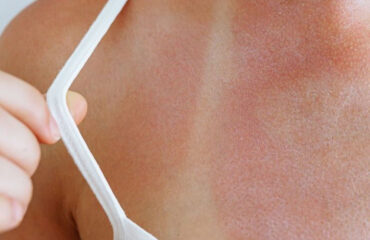
- A tan is not a sign of healthy skin. It is your skin’s response to UV damage, and it offers far less protection than a broad spectrum sunscreen.
- Darker skin tones are not immune to sun damage or skin cancer, and skin cancer in darker skin is often found later.
- Checking your moles regularly and having any new or changing mole examined by a doctor is one of the most important steps you can take for your long-term skin health.
Many parts of South Africa reach a UV index of 11 or higher on clear summer days, a level classed as extreme. UV radiation damages skin at the cellular level in every skin tone, speeding up ageing and raising skin cancer risk, often years before any change is visible. A daily broad spectrum sunscreen of SPF 30 or higher, combined with shade, a hat and protective clothing, is the most effective protection.
Step outside on a clear December afternoon in Durban, Johannesburg or Cape Town and you feel it at once. The South African summer sun has a strength that catches many people out, including those who have lived here all their lives. That intensity is real, and it matters for your skin whatever your skin tone.
This guide explains how UV affects skin, why South Africa’s conditions make protection especially important, and the practical steps that help. Whether you are building a daily sunscreen habit, planning a beach holiday, or wondering whether a changing mole needs attention, the aim is to help you make informed decisions rather than anxious ones.
Summer sun protection is not only a beauty concern. It is a health concern that also has visible effects on your skin. Understanding the science behind UV exposure makes it easier to take seriously, and to act on in ways that suit your daily life.
Why South African Summer Sun Demands Your Attention
South Africa lies close to the Tropic of Capricorn, so in summer the midday sun is high overhead and its rays pass through less atmosphere before they reach your skin. Clear skies across much of the country add to this, which means UV exposure builds up quickly, often before you notice it.
What the UV index actually means for your skin
The UV index is a standard scale for the strength of the sun’s ultraviolet radiation on a given day. A reading of 3 to 5 is moderate, 6 to 7 is high, 8 to 10 is very high, and 11 or above is extreme. Many parts of South Africa reach extreme readings on clear days from November to February.
At these levels, fair skin can burn in less than 15 minutes. Darker skin may take longer to show redness, but UV damage to skin cells begins in every skin type, whether or not a burn is visible. Checking the daily UV index on a weather app or the South African Weather Service website is a simple habit that helps you plan your protection.
How high altitude UV and reflection make exposure worse
Two factors are often overlooked. The first is altitude. UV strength rises by roughly 10% for every 1,000 metres above sea level, because there is less atmosphere to absorb it. Johannesburg and Pretoria both sit well above 1,000 metres, which is why high UV levels on the Highveld can catch you out even on days that feel mild.
The second is reflection. Water, light sand and concrete reflect UV back up towards you, adding to your total exposure even when you are under a beach umbrella. Along South Africa’s coastline, from the Western Cape to KwaZulu-Natal, reflected UV is a large part of why people burn at the beach while sitting in the shade.
UVA and UVB: What Each Type of Ray Does to Your Skin
Ultraviolet radiation exists on a spectrum, and the two types most relevant to skin health are UVA and UVB. They behave differently, reach different depths and cause different types of damage. Understanding the difference explains why broad spectrum protection matters more than simply avoiding sunburn.
UVB: the burning ray
UVB rays sit at the shorter end of the ultraviolet spectrum and are mainly absorbed by the outer layers of the skin. They are the main cause of sunburn, the reddening and inflammation that follow overexposure. UVB strength varies with the season, the time of day and cloud cover, which is why sunburn is more common in summer and around midday.
UVB also damages the DNA inside skin cells directly. If the body’s own repair processes do not correct this damage fully, it can start changes that contribute to skin cancer over time. The burn you feel is the skin’s inflammatory response to this injury, not simply a surface reaction.
UVA: the ageing ray that works all year
UVA rays have a longer wavelength and reach considerably deeper into the skin, into the dermis where collagen and elastin are made and maintained. Unlike UVB, UVA levels stay fairly steady throughout the year, and UVA passes through glass, so exposure through car and office windows adds up even when you are indoors.
UVA does not usually cause immediate redness, which makes it easy to underestimate. Over time, however, it breaks down collagen, contributes to uneven colouring and plays a documented role in skin cancer. The SPF number on a sunscreen mainly measures protection against UVB, which is why you need a sunscreen labelled broad spectrum to cover UVA as well. Broad spectrum protection is the right standard for daily use in South Africa.
What a Tan Is Really Telling You
In South Africa, where outdoor living is central to summer, a tan is often seen as a sign of health and vitality. Knowing what a tan means biologically does not mean you have to give up the outdoors, but it does change how you think about sun exposure.
A tan is your skin’s response to UV damage. When UV radiation reaches skin cells, it injures the DNA within them. In response, specialised cells called melanocytes produce more melanin, the pigment that gives skin its colour, and pass it to surrounding cells as a partial shield. The colour that develops over days in the sun is your skin trying to limit further harm.
A single tan is not a medical emergency. It does mean that no tan is a sign of healthy, undamaged skin. Each one reflects a cycle of injury and attempted repair.
Burning versus tanning: is one safer than the other?
A common belief is that tanning gradually, without burning, is a safe way to enjoy the sun. Burning is a more intense form of damage, but tanning without burning still involves UV injury at the cellular level.
From a skin health point of view, neither comes without consequence. Repeated tanning over the years adds to cumulative UV damage, which speeds up visible ageing and raises skin cancer risk. A tan gives only minimal extra protection, roughly equal to a very low SPF, and does not stop ongoing damage with continued exposure. Building a base tan before a holiday is not an effective way to protect your skin.
Sun Damage, Skin Ageing and Long-Term Consequences
Many of the changes people put down to growing older are not caused by age alone. A large share of what you see in the mirror, including fine lines, uneven colouring, loss of firmness and changes in texture, comes from UV exposure built up over a lifetime. This is called photoageing, and it is separate from the natural ageing that comes with genetics and time.
How UV accelerates visible ageing
The link between sun and skin ageing is well established. UV radiation, particularly UVA, breaks down collagen and elastin in the dermis. Collagen gives skin its strength, while elastin lets it spring back after movement. As UV damages these fibres and slows the skin’s ability to make new ones, the skin loses firmness and develops lines earlier than skin that has been consistently protected.
Uneven colouring, such as sun spots, is another visible sign of years of accumulated exposure. It is a reminder that the effects of the sun build up quietly over time.
Understanding your skin cancer risk
South Africa has one of the highest rates of skin cancer in the world, particularly among fair-skinned people. The three most common forms are basal cell carcinoma, squamous cell carcinoma and melanoma. Melanoma is the most serious because it can spread to other parts of the body, and although it is less common than the other two, its link with UV exposure is well established.
Risk factors include fair skin, a history of sunburn, a large number of moles, a family history of skin cancer and total lifetime UV exposure. Risk is not zero for any skin tone. Darker skin does offer more natural UV protection, but it does not remove the risk of UV damage or skin cancer. If several of these risk factors apply to you, a regular skin check with a doctor is worthwhile.
Sun Protection for All Skin Types and Tones
One of the most persistent myths about sun protection is that it is mainly a concern for fair-skinned people. This is not accurate, and it has real consequences in South Africa, where many people have been told, or have assumed, that their skin does not need daily sun protection.
Darker skin and sun damage: why daily protection still matters
Higher melanin levels do provide a degree of natural UV protection. They do not, however, stop UVA from reaching deeper skin layers, breaking down collagen or causing the DNA changes that contribute to skin cancer. Skin cancer in people with darker skin tones is often diagnosed at a later stage, partly because it can appear in less visible places, such as the palms, soles or under the nails, and may be mistaken for something else. Finding it later makes it harder to treat.
Darker skin is also more prone to uneven colouring after sun exposure. Daily sun protection is the simplest way to reduce this, alongside the long-term benefits it brings for every skin type.
The sunscreen essentials
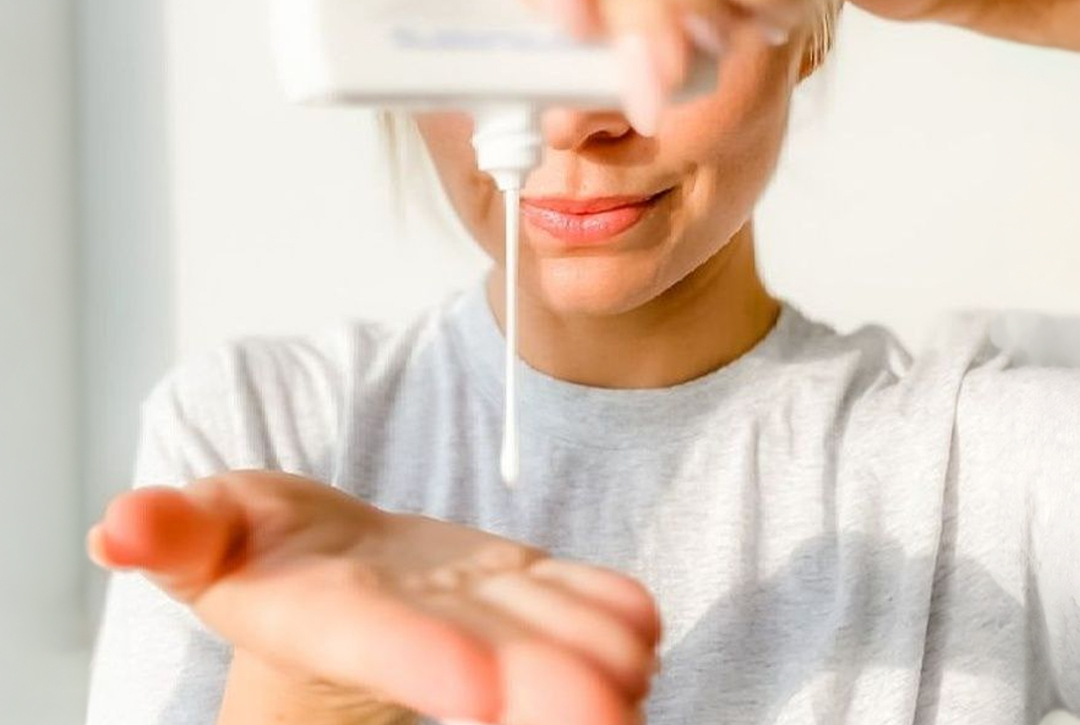
The essentials are simple: a broad spectrum sunscreen of at least SPF 30 for everyday use, and SPF 50 for long days outdoors, at the beach or at altitude. Apply it generously and reapply every two hours when you are outdoors, and straight after swimming, sweating or towelling off. The best sunscreen is the one you will wear every day.
Our article How to Choose and Use Sunscreen This Summer explains how to choose a formula for your skin type, how much to apply and when to reapply.
Holiday and Beach Sun Safety in a South African Summer
South African beach holidays bring together several UV risks at once: extreme UV index readings, reflective surfaces, long hours outdoors and a tendency to underestimate how much exposure is adding up. Good holiday sun safety does not mean staying indoors. It means knowing when and how to manage your exposure.
Midday sun, shade and the hours that matter most
UV radiation is strongest between 10:00 and 15:00, peaking around the time of the midday sun. Depending on where you are in the country, this window can stretch a little longer in summer. Planning active beach time before 10:00 or after 15:00 lowers your total UV dose considerably without keeping you indoors.
Shade helps, but it is not complete protection. UV scatters from the sky and reflects off surrounding surfaces, so you can still receive meaningful UV exposure under a beach umbrella. Use shade together with sunscreen, protective clothing and a wide brimmed hat rather than relying on it alone.
Reflected UV from water and sand
Water and light sand reflect a large share of UV back up towards you, adding to the exposure you get from direct sunlight. This reflected UV can reach skin that is otherwise in shade, which is why people often burn on overcast beach days or while sitting at the water’s edge.
Good beach sun safety means reapplying sunscreen at least every two hours in these settings, and straight after swimming or towelling off, because water and towels remove sunscreen whatever its water resistance rating.
Checking Your Moles and Knowing When to See a Doctor
Consistent sun protection works best alongside another habit: knowing your skin well enough to notice when something changes. Checking moles regularly is not only for people who have already had a diagnosis. It is sensible for anyone with a history of significant sun exposure, which in South Africa includes most of us.
What to look for when checking your own skin
The ABCDE method is a widely used guide for checking your own moles. It stands for Asymmetry (one half of a mole does not match the other), Border irregularity (edges that are uneven, ragged or blurred), Colour variation (several shades of brown, black, red or white in one mole), Diameter larger than 6 mm (roughly the size of a pencil eraser) and Evolution (any change in size, shape, colour or feel over time).
A mole that bleeds without injury, itches persistently or crusts, or a new spot that appears and does not heal, should be examined by a doctor. Checking your own skin is a useful habit, but it does not replace an examination by a doctor, particularly if you have a family history of skin cancer, a large number of moles or a history of significant sunburn.
When to see a doctor, and booking a skin consultation in Cape Town
See a doctor promptly if a mole changes in size, shape or colour, if a new spot appears and does not heal within a few weeks, if any area of skin bleeds without injury, or if you have a personal or family history of skin cancer and have not had a recent skin check. Your doctor can examine the area and refer you to a dermatologist where needed.
If you are in the Western Cape, a skin consultation in Cape Town at Dr Alek Nikolic’s practice starts with a careful assessment of your skin and how the sun has affected it. VISIA skin analysis shows sun damage beneath the surface that is not visible to the naked eye, so any concerns are understood in context before next steps are discussed. Where a mole needs a specialist opinion, Dr Alek will refer you to a dermatologist.
Protecting your skin this summer comes down to a few habits you can start today. If you would like a professional view of your skin and how the sun has affected it, schedule a consultation with the practice.
Frequently Asked Questions
How high does the UV index get in South Africa during summer?
Many parts of South Africa reach a UV index of 11 or higher on clear summer days, which is classed as extreme. At these levels fair skin can burn in less than 15 minutes, and UV damage begins in all skin types. Coastal areas and high altitude cities such as Johannesburg and Pretoria are particularly affected. Checking the daily UV index on a weather app or the South African Weather Service website helps you plan your protection.
What is the difference between UVA and UVB rays?
UVB rays have a shorter wavelength, mainly affect the outer layers of the skin and are the main cause of sunburn. UVA rays reach deeper into the skin, break down collagen and elastin, contribute to premature ageing and play a role in skin cancer. UVA levels stay fairly steady throughout the year, even on overcast days, which is why daily sun protection matters beyond the summer months.
Is a tan actually harmful, or is it just cosmetic?
A tan is a sign of UV damage, not skin health. When UV radiation reaches your skin cells, it triggers melanin production as a protective response to DNA injury. The colour you see is your skin trying to limit further harm. A tan offers only minimal extra protection and does not stop ongoing damage with continued exposure.
Can people with darker skin tones get sun damage or skin cancer?
Yes. Higher melanin levels offer some natural UV protection, but they do not make skin immune to UV damage, premature ageing or skin cancer. Skin cancer in people with darker skin tones is often diagnosed later because it may be overlooked or mistaken for something else, which makes sun protection and regular skin checks important for all skin types.
What SPF should I use in South Africa during summer?
Use a broad spectrum sunscreen of at least SPF 30 for daily use, and SPF 50 for long days outdoors, beach days or high altitude areas. Broad spectrum formulas protect against both UVA and UVB. Reapplying every two hours, and straight after swimming or sweating, matters as much as the SPF number itself.
Does UV reflect off water and sand, and does it make exposure worse?
Yes. Water and light sand both reflect a large share of UV back towards you, increasing your total exposure even when you are sitting in the shade near the water’s edge. Shade alone does not fully protect you near water or sand, so combine it with sunscreen, a hat and protective clothing.
Is UV exposure worse at high altitude?
Yes. UV strength rises by roughly 10% for every 1,000 metres above sea level, because there is less atmosphere to filter it. Johannesburg and Pretoria both sit well above 1,000 metres, so UV levels there are higher than in coastal cities at the same time of year.
How do I check my own moles for signs of concern?
The ABCDE method is a widely used guide: Asymmetry, Border irregularity, Colour variation, Diameter larger than 6 mm, and Evolution or change over time. Any mole that bleeds, itches, changes shape or appears suddenly should be examined by a doctor. Checking your own skin is useful but does not replace an examination by a doctor, particularly if you have a family history of skin cancer or a large number of moles.
What time of day is UV exposure strongest in South Africa?
UV radiation is strongest between 10:00 and 15:00, peaking around midday. Depending on where you are, this window can stretch a little longer in summer. Planning outdoor activities before 10:00 or after 15:00, seeking shade during peak hours, and wearing protective clothing and sunscreen considerably lowers your total UV exposure.
When should I see a doctor about a mole, or book a skin consultation about sun damage?
See a doctor if a mole changes in size, shape or colour, if a new spot appears and does not heal, if any area of skin bleeds without injury, or if you have a personal or family history of skin cancer and have not had a recent skin check. A skin consultation can also assess visible sun damage and your long-term skin health.
Related Articles
- How to Choose and Use Sunscreen This Summer
Choosing a formula, how much to apply and when to reapply. - Sunburnt? How to Care for Your Skin Afterwards
What to do in the first days after a sunburn, and when to see a doctor.