Sunburn aftercare comes down to cooling the skin, keeping it moisturised and out of the sun while it heals, and recognising the warning signs that need a doctor.
- Cool sunburnt skin with cool, not cold, water and never ice, then apply a fragrance-free moisturiser as soon as possible.
- Drink more water than usual for 24 to 48 hours: sunburn draws fluid to the skin’s surface and dehydration is a real risk.
- Avoid toothpaste, butter, vinegar and alcohol-based products on burnt skin, as these irritate it further or trap heat.
- Do not burst blisters: they protect the skin underneath from infection and should be left to settle on their own.
- A fever above 38.5°C, widespread blistering, confusion or signs of heat exhaustion are reasons to seek medical care promptly.
After sunburn, get out of the sun, cool the skin with cool water and apply a fragrance-free moisturiser containing aloe vera or glycerin. Drink plenty of water, stay out of the sun while the skin heals and do not burst blisters. See a doctor if blisters cover a large area, or if you develop a high fever, confusion or signs of heat exhaustion.
You stepped out of the water, felt the warmth on your shoulders and thought nothing of it. A few hours later, your skin is radiating heat, tightening across your chest and turning an angry shade of pink. Sunburn catches even careful people off guard, particularly in South Africa, where the UV index regularly reaches extreme levels in summer.
Knowing what to do in the hours and days afterwards makes a real difference, not only to how quickly your skin recovers, but to whether you limit further damage or accidentally make things worse. If you want the broader picture of why South African sun is so strong on every skin tone, our guide Summer Sun and Your Skin: A South African Guide covers the science behind UV exposure and its long-term effects.
This article focuses on sunburn aftercare: what your skin needs in the first days, how to manage the peeling and discomfort that follow, which symptoms need medical attention, and how to care for sensitive areas like the face.
The first 48 hours after sunburn: what your skin is going through
Why sunburnt skin feels hot, tight and painful
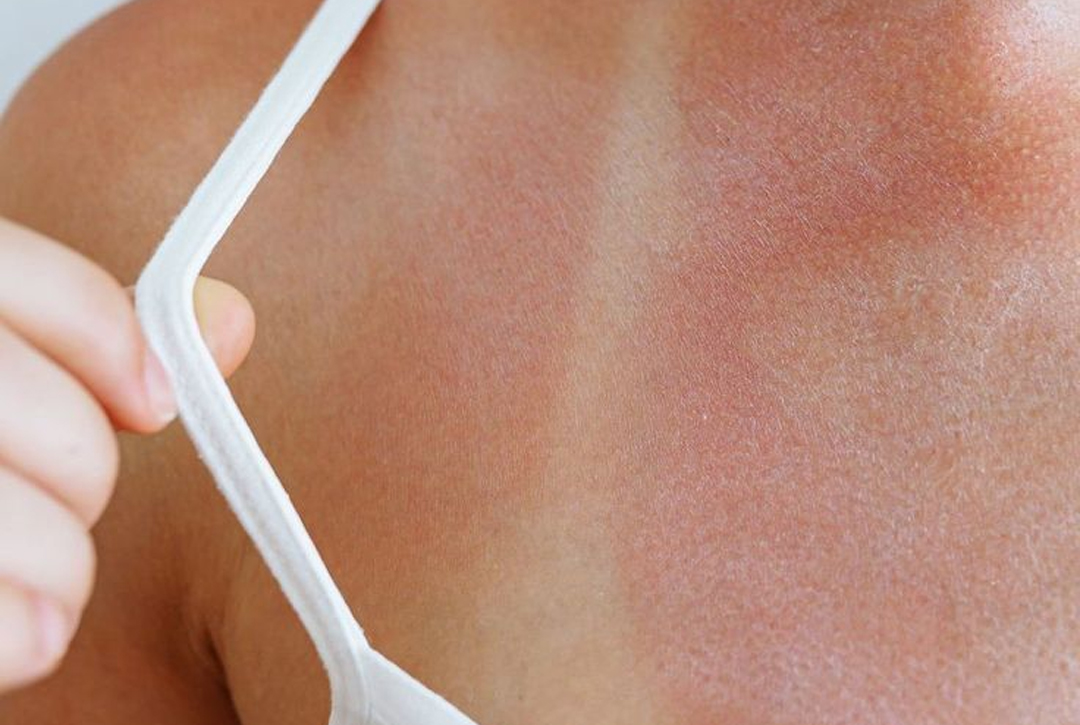
Sunburn is not simply surface redness. It is an inflammatory response to UV damage in skin cells. Within hours of overexposure, your body releases chemical messengers that widen the blood vessels in the skin and draw more blood to the area. This is why burnt skin feels hot to the touch and looks red: your body is responding to injury.
The tight, uncomfortable feeling comes from fluid moving into the damaged tissue and causing mild swelling. Nerve endings in the skin also become more sensitive, which is why even light clothing or a gentle touch can hurt. How strong this response is depends on how long you were exposed, the UV index at the time and your natural skin tone. Lighter skin burns more quickly, but skin with more melanin is not immune, particularly under South Africa’s strong summer sun.
This inflammation usually peaks 12 to 24 hours after exposure, which is why you may feel worse the morning after a day at the beach than you did when you first came inside.
Cooling sunburnt skin safely
Soothing a sunburn starts with bringing the skin’s temperature down. The instinct to reach for ice or very cold water is understandable, but it can cause further harm. Ice applied directly to sunburnt skin can damage tissue that is already injured.
Use cool, not cold, water instead. A cool shower or bath is one of the most effective ways to lower skin temperature and ease discomfort. Aim for water that feels refreshing without being a shock. Stay in for 10 to 20 minutes if you can, then pat the skin dry with a soft towel rather than rubbing.
Cool, damp cloths on the worst-affected areas give similar relief and are useful for smaller areas such as the face or shoulders. Avoid rough or textured fabric. Loose, soft clothing in natural fibres like cotton reduces friction while the skin heals.
Staying hydrated after a burn
Sunburn draws fluid towards the skin’s surface and away from the rest of your body. Combined with the fluid you lose during a day in the sun, this can leave you genuinely depleted. Staying hydrated by drinking more water than usual for 24 to 48 hours after a burn supports your body as it heals.
There is no fixed amount of extra fluid you need, but if your urine is dark or you feel dizzy and more tired than you would expect, you are likely dehydrated. Water, oral rehydration solutions and water-rich foods all help. Alcohol and caffeine work against you, as both increase fluid loss at a time when your body needs to hold on to it.
How to wash, moisturise and protect sunburnt skin
Washing sunburnt skin without making it worse
Washing sunburnt skin needs a lighter touch than usual. Use a gentle, fragrance-free cleanser and lukewarm water, as hot water aggravates inflammation and discomfort. Avoid scrubs, exfoliating cleansers and products containing salicylic or glycolic acid while the burn is fresh. These speed up the shedding of skin cells, which is the last thing irritated skin needs.
Pat the skin dry rather than rubbing. If a towel feels too harsh, let the skin air dry or use a soft cloth with very little pressure.
Moisturising after sun: what to use
Moisturising after sun matters. The idea that burnt skin needs to “breathe” and should be left bare is a common misconception. A light moisturiser does not trap heat or worsen inflammation; it eases the tight dry skin after sun exposure that makes a burn so uncomfortable.
Look for fragrance-free formulas containing aloe vera, glycerin or hyaluronic acid. Aloe vera has long been used to soothe burnt skin, and research suggests it has genuine anti-inflammatory and moisturising properties. Glycerin and hyaluronic acid draw water into the skin and help keep it hydrated without clogging pores.
Apply moisturiser while the skin is still slightly damp after washing, as this helps hold in moisture. Reapply as often as you need to during the day, particularly when the skin feels tight.
What not to put on sunburn
Several products people reach for can make sunburn worse. Petroleum jelly and other heavy, petroleum-based products can trap heat on hot, freshly burnt skin, so wait until the skin has cooled before using them. Anything containing fragrance, alcohol or menthol risks further irritation. Butter, cooking oil, vinegar and toothpaste, which circulate as home remedies, have no evidence behind them and may irritate the skin or introduce bacteria.
Numbing creams and sprays containing benzocaine or similar ingredients are sometimes suggested for pain, but they can cause allergic reactions on sensitised skin and are best avoided unless a doctor or pharmacist recommends them.
Managing pain, itching and the peeling stage
Pain relief for sunburn: practical options
For mild to moderate sunburn pain, over-the-counter pain relief can help. Ibuprofen, an anti-inflammatory, eases both the pain and some of the inflammation. It is not suitable for everyone, including people with stomach ulcers, kidney problems, some types of asthma or those who are pregnant, and it is best taken once you are drinking enough fluid. Paracetamol eases pain well but does not reduce inflammation. Your pharmacist can advise which option suits you, particularly if you take other medicines or are buying for a child.
Take pain relief as directed on the pack and do not exceed the recommended dose. If the pain is severe enough that standard doses barely help, that is a sign to see a doctor rather than to take more.
Cool compresses, cool baths and loose clothing all add to comfort alongside any medication.
Itchy skin after sunburn: why it happens and how to ease it
Itchy skin after sunburn is very common and often starts as the pain begins to settle, usually around day two or three. It happens for two reasons. The chemical messengers involved in inflammation can trigger itch receptors in the skin, and as the outer layer dries and begins to separate before peeling, that sensation also registers as itch.
Scratching makes things worse. It can break the skin, let in bacteria and slow healing, and it can leave marks that take time to fade, particularly in darker skin.
To ease itching, keep the skin cool and well moisturised. Frequent applications of a fragrance-free moisturiser help. Oral antihistamines can reduce itch, particularly at night when it often feels worse, but some cause drowsiness, so ask your pharmacist which is appropriate for you.
Peeling after sunburn: what is normal and what to do
Peeling after sunburn is the skin shedding cells that were too damaged to recover. It is a normal part of healing and usually begins three to five days after the burn, depending on how severe it was. The skin underneath is new, fragile and more sensitive than usual.
Do not pull or peel the skin off. It is tempting, but removing skin before it is ready leaves the skin beneath exposed and more vulnerable to infection. Keep moisturising during this stage, which helps the skin shed more evenly and eases the tight feeling.
Once peeling has finished, the new skin burns more easily. This is not the time to return to the beach without careful sun protection. Our article How to Choose and Use Sunscreen This Summer explains how to choose and apply sunscreen correctly.
Sunburn blisters, fever and heat exhaustion: when to seek medical care
What to do if you develop sunburn blisters
Blistering means the burn has gone beyond the outermost layer of skin into the upper part of the layer beneath it. Small blisters on a limited area are not unusual after heavy sun exposure, but they do change how you should care for the burn.
The most important rule is not to burst blisters. The fluid inside is sterile, and the intact blister acts as a natural barrier against infection. Bursting blisters exposes raw skin and greatly increases the risk of infection.
If a blister breaks on its own, clean the area gently with mild soap and water, cover it with a non-stick dressing and watch for signs of infection: redness spreading outwards, warmth, swelling, pus, or a fever that starts or worsens after the blister breaks. Any of these signs needs prompt medical attention.
Sunburn and fever: a warning sign to take seriously
A slightly raised temperature alongside sunburn is not unusual, as inflammation can lift body temperature a little. A high fever, particularly with chills, vomiting or confusion, is a sign that something more serious is happening and needs medical assessment.
Severe sunburn over a large part of the body can affect the whole body, not only the skin. In these cases you are not simply uncomfortable; your body is under real strain. Do not wait to see whether a high fever settles on its own. Seek medical care promptly.
Recognising heat exhaustion alongside sunburn
Sunburn and heat exhaustion often happen together, because the same conditions cause both. Heat exhaustion develops when the body overheats and struggles to cool itself. Symptoms include heavy sweating, weakness, cool and clammy skin, a fast pulse, headache, nausea and feeling faint or dizzy.
Heat exhaustion is different from heatstroke, which is a medical emergency. Heatstroke involves a body temperature above 40°C, confusion, seizures or loss of consciousness, and hot skin that may be dry. If you suspect heatstroke in yourself or someone else, call an ambulance immediately on 10177, or 112 from a cell phone, and start cooling the person while you wait.
For heat exhaustion, move to a cool place, lie down, loosen clothing, apply cool damp cloths and sip water if you are alert and not vomiting. If symptoms do not improve within 30 minutes, seek medical attention.
When to see a doctor for sunburn
Most sunburns can be managed at home with careful aftercare. Signs of severe sunburn, or reasons to see a doctor, include:
- Blistering over a large area of skin
- A fever above 38.5°C, or chills, vomiting or confusion
- Symptoms of heat exhaustion that do not improve with rest and fluids
- Any signs of heatstroke, which needs an ambulance
- Sunburn in a baby or young child
- Marked swelling of the face, particularly around the eyes
- Increasing pain, spreading redness or pus from a blister, which suggest infection
If you are unsure, it is better to ask. A pharmacist can help you decide whether home care is enough or whether you need to see a doctor.
Caring for specific areas: face, shoulders and sensitive skin
Sunburnt face: a gentler approach
The skin on your face is thinner and more reactive than on your body, so a sunburnt face needs gentler care. Facial sunburn often feels more intense and swells more noticeably around the eyes and nose.
Cleanse with cool water and a small amount of a very gentle, fragrance-free cleanser. Pause your usual active skincare while the burn is fresh. Retinoids, vitamin C serums, exfoliating acids and scrubs are too stimulating for inflamed skin and can make irritation worse.
A fragrance-free gel moisturiser, or a light, calming product with aloe vera or panthenol (provitamin B5), suits the face while it heals. Keep it simple: cleanse gently, moisturise and stay out of the sun. If you wear makeup, give your skin a break for at least the first few days, as foundation and concealer can feel uncomfortable on inflamed skin and some contain fragrance or alcohol.
For swelling around the eyes, a cool damp cloth held gently in place for a few minutes helps. Sleep with your head slightly raised if the swelling is significant.
Sunburnt shoulders and body: practical aftercare
Sunburnt shoulders, upper backs and chests are among the most common, because these areas are exposed while swimming or sitting outdoors and are easy to miss with sunscreen. They also tend to peel noticeably after a moderate or severe burn.
Loose, soft clothing is best while the skin heals. Avoid bra straps, backpack straps or anything that rubs over the burn. If you need a layer over your shoulders, soft cotton is better than synthetic fabric.
Shower in cool to lukewarm water rather than hot, and apply plenty of fragrance-free moisturiser straight after patting dry. Doing this two to three times a day during the peeling stage helps the skin shed more evenly and keeps discomfort manageable.
Staying out of the sun after a burn
This step matters most. Sunburnt skin is far more vulnerable to further UV damage, and exposing it again before it has healed adds to the injury. Avoid direct sun until the burn has fully settled, including the peeling stage.
If you need to go outside, cover the burnt area with clothing rather than relying on sunscreen alone. Sunscreen on broken or blistered skin can sting and protects less reliably. Once the skin has healed and stopped peeling, go back to daily sunscreen, choosing a fragrance-free formula suited to sensitive skin.
Recovering well: the longer view
Sunburn heals, but the damage it does to skin cells adds up over a lifetime. Each significant burn contributes to the long-term changes in the skin that show over time, from uneven colouring and changes in texture to, more seriously, a higher risk of skin cancer.
The most useful thing you can do after a burn, beyond careful aftercare, is to treat it as a signal to rethink your sun protection before you next head outside. South African summers call for consistent daily habits rather than repair after the fact.
If a mole has changed in size, shape or colour, have it examined by a doctor. If you are concerned about how years of sun have affected your skin, a skin consultation at Dr Alek Nikolic’s practice in Cape Town starts with a careful assessment of your skin as it is now, before any next steps are discussed. When you are ready, schedule a consultation with the practice.
For now, focus on letting your skin heal fully and staying out of the sun until it does.
Frequently asked questions
How long does sunburn take to heal?
Mild sunburn, with redness and some tenderness, usually settles within three to five days. Moderate sunburn with peeling can take seven to ten days to heal fully. Severe sunburn with blistering often takes around two weeks, and sometimes longer. The new skin stays sensitive and burns more easily for some time after it looks healed.
Is it safe to put aloe vera on sunburn?
Yes. Aloe vera is one of the best supported options for soothing sunburnt skin. It has anti-inflammatory properties, helps keep skin hydrated and is generally well tolerated. Choose pure aloe gel or a fragrance-free product without added alcohol, which can dry and irritate burnt skin.
Should I moisturise sunburnt skin or let it breathe?
Moisturise. Skin does not need to “breathe” in the way the phrase suggests, and leaving sunburnt skin bare lets it dry out, which adds to discomfort. A light, fragrance-free moisturiser eases tightness without trapping heat.
Can I take ibuprofen or paracetamol for sunburn pain?
Both can help with sunburn pain, provided you have no medical reason to avoid them. Ibuprofen also reduces inflammation, but it is not suitable for everyone, including people with stomach ulcers, kidney problems, some types of asthma or those who are pregnant. Follow the dose on the pack and ask your pharmacist if you are unsure which is right for you or your child.
Why is my skin so itchy after sunburn?
Itching after sunburn comes from the chemical messengers released during inflammation and from the outer layer of skin starting to separate before it peels. It usually peaks around day two to four and can be eased with cool compresses, frequent moisturising and, if needed, an oral antihistamine your pharmacist recommends.
What should I do if my sunburn is blistering?
Do not burst sunburn blisters. They protect the skin underneath, and breaking them raises the risk of infection and slows healing. Keep the area clean, cover any broken blister with a non-stick dressing, and see a doctor if blisters are widespread, are on the face, or show signs of infection such as spreading redness, warmth or pus.
How soon can I go back in the sun after a sunburn?
Wait until the redness, peeling and sensitivity have fully settled, as the skin stays vulnerable well after it stops hurting. Until then, cover the area with clothing if you need to go outside. When you return to the sun, use a broad spectrum sunscreen on the previously burnt areas and reapply it often.
Related Articles
- Summer Sun and Your Skin: A South African Guide
How UV affects every skin tone, and when to have a mole checked. - How to Choose and Use Sunscreen This Summer
Choosing a formula, how much to apply and when to reapply.