A pre-festive skin assessment distinguishes between dull, dehydrated, and crepey skin at a structural level, so any care or treatment addresses what your skin actually needs rather than what it appears to need.
- Dull, dehydrated and crepey skin are distinct concerns with different underlying causes, and treating one as another rarely improves your skin.
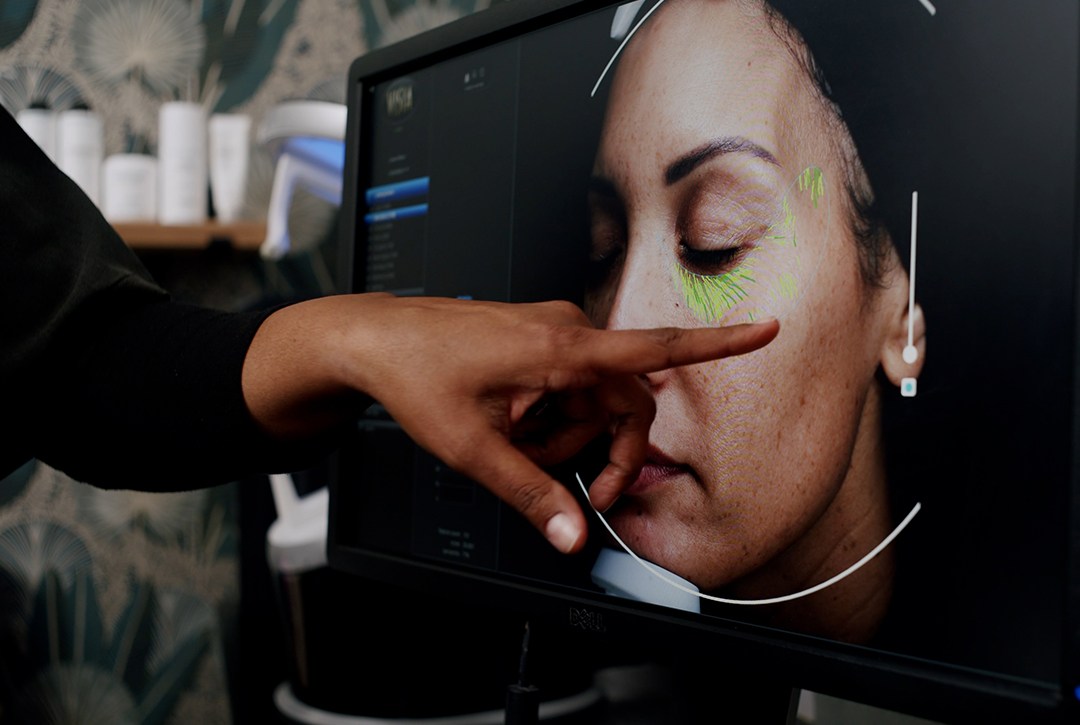
- VISIA skin analysis maps surface and sub-surface skin conditions that are invisible to the naked eye, giving a far more accurate starting point than a visual check alone.
- Dehydration is a temporary, correctable state; dryness relates to skin type; and crepey texture often reflects deeper changes in collagen and elastin over time.
- Everyday habits including sun exposure, sleep, hydration, and product choices show up clearly in a detailed skin assessment, sometimes before you notice them yourself.
- A skin assessment does not commit you to any treatment; it gives you an accurate picture of what is actually happening in your skin so any decisions are well-informed.
A skin assessment before the festive season identifies whether dull, flat or crepey skin is caused by dehydration, moisture loss, uneven texture, or age-related changes in collagen and elastin. Using tools such as VISIA skin analysis, a clinician can distinguish between surface-level concerns and deeper structural changes, guiding an appropriate personalised protocol.
You notice it in a photograph before you notice it in the mirror. Your skin looks flat, tired, or somehow older than you feel. The festive season is approaching, and you want to look like yourself, only rested and refreshed. Before deciding on any treatment, the more useful question is: what is actually happening with your skin, and why?
A skin assessment before the festive season identifies whether dull, flat, or crepey skin is caused by dehydration, moisture loss, uneven texture, or age-related changes in collagen and elastin. Using tools such as VISIA skin analysis, a clinician can distinguish between surface-level concerns and deeper structural changes, guiding an appropriate personalised protocol. If you are already considering skin boosters or bio-remodelling as part of your preparation, the practical guide to timing skin boosters around your festive holidays covers the broader timeline in detail.
Dull, dehydrated, or crepey: why the difference matters more than you think
These three words are often used interchangeably, but they describe genuinely different skin states with different causes and different solutions. Treating the wrong concern wastes time and money, particularly when you are working towards a specific date.
What does dehydrated skin actually look like, and how is it different from dry skin?
Dehydration is a condition, not a skin type. It refers to a lack of water content in the skin, and it can affect oily, combination, and dry skin alike. Dehydrated skin tends to look dull and feel tight, and it may show fine surface lines that disappear when you press the skin gently. You might also notice that your skin appears to absorb moisturiser quickly without feeling genuinely comfortable afterwards.
Dry skin, by contrast, is a skin type characterised by reduced sebum production. It often feels rough or flaky and may be more reactive. The distinction matters because the interventions differ: dehydrated skin responds well to humectant-rich skincare and, where appropriate, hydration-focused aesthetic treatments. Dry skin may need a different approach, including barrier repair and lipid replenishment.
What causes crepey skin texture, and is it the same as loss of firmness?
Crepey texture refers to a fine, tissue-like wrinkling of the skin that is distinct from deeper lines or folds. It tends to appear on the face, neck, and décolletage, and it is generally associated with a reduction in collagen and elastin fibres over time. Cumulative sun exposure accelerates this process considerably, which is relevant for anyone who has spent years in the Cape Town sun.
Loss of firmness is related but not identical. Firmness depends on the structural integrity of the deeper dermis and the fat compartments beneath it. Crepey texture, by contrast, is primarily a surface and mid-dermal concern. An in-depth assessment can help distinguish between the two, because the appropriate response to each is different.
Why does skin look dull in photographs even when it feels fine in the mirror?
Camera lenses capture light differently from the human eye. Skin that reflects light evenly appears luminous in photographs. Skin with uneven texture, surface dehydration, or pigmentation variation scatters light irregularly, which reads as dullness or flatness on camera. This is why you may feel your skin looks acceptable in person but notice something is off when you see photographs from events.
Dullness is often a combination of factors: slowed cell turnover, surface dehydration, and subclinical pigmentation changes that are not always visible to the naked eye. An objective skin evaluation can identify which of these is contributing most significantly.
What a VISIA skin analysis actually measures, and why it changes the conversation
A visual assessment by an experienced clinician is valuable, but it has limits. VISIA skin analysis uses multi-spectral imaging to capture what the eye cannot see, and it changes the conversation from subjective impression to objective measurement.
Which skin concerns does VISIA analysis identify that a visual assessment might miss?
VISIA images the skin across several parameters, including surface texture, wrinkles and fine lines, pore size, UV damage, subsurface pigmentation, redness patterns, and bacterial activity linked to certain types of breakouts.
Subsurface pigmentation matters because it tells you what is coming. If you address it before it becomes visible, you are working preventatively. If you wait until it surfaces, correction takes longer. For anyone serious about skin health maintenance ahead of the festive season, this kind of early visibility is genuinely useful.
Redness mapping can also reveal patterns consistent with rosacea, post-inflammatory changes, or vascular irregularities that influence both skincare choices and treatment suitability. This is not information you can reliably gather from a mirror.
How does VISIA skin analysis inform a personalised skincare or treatment protocol?
The imaging data gives your clinician a structured baseline. Rather than recommending treatments based on what you describe or what they observe in a single light setting, they can cross-reference your concerns with objective findings. If you report dullness but your VISIA images show significant UV damage and uneven texture, the protocol will address those underlying drivers rather than simply layering on brightening products.
At Dr Alek Nikolic’s practice, the VISIA assessment is part of a broader diagnostic-first methodology. The data informs whether a concern is primarily a skincare issue, whether it would respond to a treatment such as skin booster bio-remodelling or microneedling with Dermapen 4, or whether it requires a different approach entirely. The assessment does not lead automatically to treatment. It leads to an informed conversation.
What everyday habits show up in a skin assessment, and what can you actually change?
Your skin carries a record of your recent habits, and a careful assessment reads it. This is not about judgement. It is about identifying what is modifiable and what requires clinical support.
How do sun exposure, sleep, and hydration affect what an assessment reveals?
Chronic sun exposure without adequate protection is the single most consistent finding in skin assessments across Cape Town patients. It accelerates collagen degradation, contributes to pigmentation, and is a primary driver of crepey texture over time. VISIA ultraviolet imaging makes this visible even when the surface appears relatively clear.
Sleep deprivation affects skin barrier function and slows cellular repair. Research suggests that consistent poor sleep is associated with increased skin sensitivity, uneven tone, and reduced elasticity over time. Hydration, both topical and systemic, directly affects the water content of the skin and influences how surface dehydration presents.
These factors are worth addressing before any treatment, because they affect how your skin responds and how long any improvement is likely to be maintained.
What happens at a skin assessment appointment, and does it commit you to treatment?
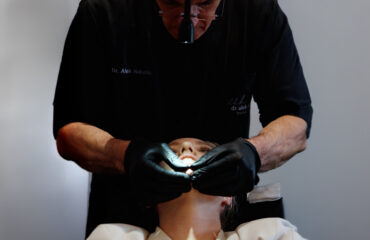
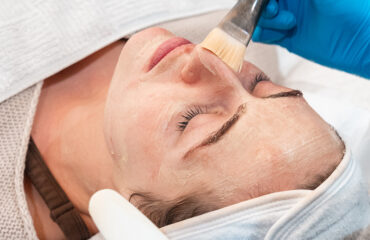
An assessment appointment at Dr Alek Nikolic’s practice begins with a conversation about your concerns, your skin history, and your goals. VISIA imaging follows, and the results are discussed with you in detail. Vashnee, the practice’s skincare therapist, may also be involved where a skincare protocol is part of the recommendation.
Nothing about attending an assessment commits you to a treatment. The purpose is to give you accurate information so that any decision you make is genuinely informed. You may leave with a revised skincare routine, a referral to address a specific concern, a treatment plan, or simply a clearer picture of what your skin actually needs. That clarity, on its own, is worth the appointment.
If the festive season is your horizon, the earlier you have this conversation, the more options remain open to you.
Frequently Asked Questions
How do I know if my skin is dehydrated or just dry?
Dry skin is a skin type characterised by reduced oil production, whilst dehydration is a temporary condition where the skin lacks water. Dehydrated skin often feels tight, looks dull, and may show fine surface lines that improve when you press gently on the skin. A skin assessment can confirm which is affecting you, because the two conditions respond to different approaches.
What causes crepey skin on the face and neck?
Crepey skin texture is most commonly linked to a gradual reduction in collagen and elastin, which are the structural proteins that keep skin firm and resilient. Cumulative sun exposure, moisture loss over time, and age-related changes in skin thickness all contribute. It is distinct from simple dehydration and often requires a different approach to address meaningfully.
Why does my skin look so dull in photos even though it seems fine normally?
Camera flash and natural light reveal uneven skin texture and tone that softer, indirect lighting tends to conceal. Dehydration, uneven melanin distribution, and a build-up of dead skin cells all reduce the way light reflects off the skin surface, which translates directly into a flat, dull appearance in photographs. A skin assessment can identify which of these factors is most significant for your skin.
What does VISIA skin analysis show that a normal skin check does not?
VISIA skin analysis uses multi-spectral imaging to map features including pore size, surface texture, pigmentation, sub-surface melanin, UV damage, and vascular patterns. Many of these are not visible to the naked eye under standard lighting. This gives a much more detailed and objective picture of your skin’s current condition and how it may change over time.
Is a skin assessment in Cape Town only useful if I want a treatment?
Not at all. A skin assessment is valuable as a standalone step, particularly if you want to understand what is actually happening in your skin before making any decisions. At Dr Alek Nikolic’s practice, an assessment is the starting point for every conversation, and it does not commit you to any treatment or protocol.
Can my skincare routine cause the dullness or dehydration I am seeing?
Yes, and this is more common than many people realise. Over-cleansing, using products that disrupt the skin barrier, or relying on actives without adequate hydration support can all contribute to a dull or dehydrated appearance. A skin assessment helps identify whether your current routine is supporting or undermining your skin’s condition.
How far in advance of the festive season should I book a skin assessment?
Booking at least six to eight weeks before any events you have in mind gives enough time to understand your skin’s condition, discuss appropriate options, and allow any treatments or adjusted skincare routines to take effect. Leaving it too late limits what is safely possible before a specific date.
Related Articles
- timing skin boosters around your festive season
– Parent pillar covering the broader context of festive season skin preparation, downtime planning, and skin booster timing; links the cluster article back to the strategic guide.