Botulinum toxin can lift brows, treat gummy smiles, soften jawlines, correct downturned mouth corners and improve facial symmetry, making it one of the most versatile tools in non-surgical facial enhancement when applied with anatomical precision.
- Botulinum toxin works by relaxing specific muscles, which allows opposing muscles to lift, reposition or soften surrounding structures.
- A non-surgical brow lift uses precise injections to release the muscles pulling the brow downward, allowing the forehead to elevate the brow naturally.
- A gummy smile can be reduced by relaxing the muscles that elevate the upper lip too far, with most people noticing a change within two weeks.
- The lower face, including the jawline, chin, mouth corners and lip lines, responds well to carefully placed botulinum toxin when assessed individually.
- Every application in this article requires a detailed facial assessment before treatment, because muscle anatomy and facial proportions vary considerably between individuals.
Botulinum toxin treats far more than frown lines. When placed precisely, it can lift the brows, reduce a gummy smile, soften the jawline, correct downturned mouth corners, smooth chin puckering and improve facial symmetry. Each application targets specific muscles to restore balance rather than simply reducing movement.
Most people associate botulinum toxin with a single image: a smoother forehead and fewer frown lines. That association is understandable, because the upper face is where the treatment gained its reputation. But limiting your understanding of botulinum toxin to frown lines is a bit like knowing a musician only by their first single. The full repertoire is considerably more interesting.
When placed with anatomical precision, botulinum toxin can lift the brows without surgery, reduce a gummy smile, soften the jawline, correct downturned mouth corners, smooth chin puckering and improve facial symmetry. Each of these applications works through the same fundamental mechanism: relaxing a specific muscle to allow the face to rebalance. The difference between a flattering outcome and a disappointing one lies in understanding exactly which muscle to treat, at what dose, and why your anatomy makes your face different from anyone else’s.
This article walks you through the full range of botulinum toxin applications beyond the frown lines, what each one involves, what you can realistically expect, and why a detailed facial assessment is the non-negotiable starting point for every single one of them.
Botulinum toxin treats far more than frown lines. When placed precisely, it can lift the brows, reduce a gummy smile, soften the jawline, correct downturned mouth corners, smooth chin puckering and improve facial symmetry. Each application targets specific muscles to restore balance rather than simply reducing movement.
—
Why Botulinum Toxin Is About Muscle Balance, Not Just Movement Reduction
The principle of opposing muscle groups
Your face is governed by a network of muscles that work in opposition to one another. Some pull upward, others pull downward. Some compress, others expand. When these opposing forces are in balance, the face rests in a position that reflects your natural anatomy. When one group becomes dominant, whether through habitual expression, ageing or genetic variation, the balance shifts and the face changes shape in ways that may not reflect how you feel.
Botulinum toxin works by temporarily reducing the activity of targeted muscles. When a downward-pulling muscle is relaxed, the opposing upward-pulling muscle gains relative influence. The result is not simply less movement; it is a repositioning of the structures that muscle was controlling. This is the principle behind brow lifting, mouth corner correction, and jawline softening. You are not removing movement from the face; you are restoring a more balanced relationship between muscle groups.
Why anatomical variation matters more than most people realise
No two faces share identical muscle anatomy. The size, position, attachment points and relative strength of facial muscles vary considerably from person to person. This is why a dose or injection point that produces an elegant result in one person can produce an unwanted outcome in another, even when the concern looks similar on the surface.
This variation is also why before-and-after images from other people are a limited guide to your own likely outcome. What matters is the anatomy beneath your specific face, assessed by someone with the training to interpret it accurately. At Dr Alek Nikolic’s practice, the assessment includes careful analysis of muscle movement at rest and during expression, facial proportions, and the relationship between different muscle groups. That diagnostic foundation is what allows the treatment to be personalised rather than applied from a template.
—
Can Botulinum Toxin Lift Your Eyebrows Without Surgery?
Which muscles are involved in brow position?
Your brow position is determined by a tug-of-war between muscles that elevate it and muscles that depress it. The frontalis muscle, which runs across your forehead, is the primary elevator. It is counteracted by several depressor muscles, including the orbicularis oculi, the corrugator supercilii and the procerus. When the depressors are overactive relative to the frontalis, the brow sits lower than its natural resting position.
A non-surgical brow lift uses precisely placed botulinum toxin to reduce the activity of the depressor muscles, particularly the lateral portion of the orbicularis oculi, allowing the frontalis to elevate the brow more freely. In some cases, a small amount is also placed in the frontalis itself to reshape the brow arch rather than simply raise the overall position.
What a non-surgical brow lift can and cannot achieve
A botulinum toxin brow lift can create a visible and meaningful improvement in brow position and arch shape. It works particularly well for brows that sit lower than their natural position due to muscle overactivity, and for creating a more defined lateral arch. It is not a substitute for a surgical brow lift when significant skin laxity or brow ptosis is present. If your brow position is primarily affected by loose skin rather than muscle activity, botulinum toxin alone will not replicate what surgery can achieve, and a practitioner committed to honest assessment will tell you so directly.
How long does a botulinum toxin brow lift last?
The effect typically lasts three to four months, consistent with other botulinum toxin applications. Factors including your muscle metabolism, the frequency of previous treatments and lifestyle elements such as exercise intensity can all influence how long the effect persists. With repeated treatments over time, some people find that the interval between appointments gradually extends.
—
Treating a Gummy Smile With Botulinum Toxin: What to Expect
What causes a gummy smile and who is a suitable candidate?
A gummy smile, defined clinically as excessive gingival display when smiling, occurs when the upper lip elevates further than average during a smile. This can result from hyperactivity of the muscles that lift the upper lip, from the vertical height of the upper jaw, from the size and position of the gums, or from a combination of these factors.
Botulinum toxin is most effective when the gummy smile is primarily driven by muscular hyperactivity rather than skeletal or gum-related causes. If your upper lip rises significantly when you smile and you are self-conscious about the amount of gum on show, you may be a suitable candidate for this treatment. The assessment involves observing how far your lip elevates during a natural smile and identifying which muscles are contributing most to that movement. Not everyone with a gummy smile has the same muscular pattern, which is why the injection points and dose are individualised rather than standardised.
Botulinum toxin gummy smile results: timeline and maintenance
Most people notice a visible reduction in gum show within seven to fourteen days of treatment. The upper lip does not rise as high during smiling, which reduces gingival display whilst preserving the natural shape and movement of the smile. The effect is temporary, typically lasting three to four months, and the dose can be refined at a follow-up appointment if the initial response suggests adjustment is needed. Over successive treatments, many people find that a consistent dose maintains the improvement reliably.
—
Signs of Ageing in the Lower Face and How Botulinum Toxin Helps
Downturned mouth corners: a subtle change with noticeable impact
The corners of the mouth are controlled partly by the depressor anguli oris, a muscle that pulls the mouth corners downward. When this muscle is overactive, the corners of the mouth adopt a downward resting position that can make the face look tired, stern or unhappy, even when you are not. A small, carefully placed amount of botulinum toxin into this muscle allows the corners to rest in a more neutral or gently upward position.
This is a technically demanding area. The depressor anguli oris sits close to muscles that control your smile, and imprecise placement can affect the symmetry or natural movement of your expression. Precise dosing and a detailed knowledge of the local anatomy are essential. When done well, the change is subtle and natural, the kind of improvement that makes you look more rested without anyone being able to identify exactly why.
Chin puckering and the mentalis muscle
Chin puckering, often described as an ‘orange peel’ or ‘cobblestone’ texture on the chin, is caused by repetitive overactivity of the mentalis muscle. This muscle contracts when you speak, swallow or hold certain expressions, and over time the skin above it develops a characteristic dimpled or uneven texture. Botulinum toxin placed into the mentalis relaxes those repetitive contractions and allows the skin surface to smooth. This is one of the more straightforward lower face applications and tends to respond well to conservative dosing, with visible improvement usually apparent within two weeks.
Lip lines and the role of perioral muscle activity
Vertical lines around the lips, sometimes called perioral lines or lipstick lines, develop partly from volume loss and partly from the repetitive action of the orbicularis oris, the circular muscle that surrounds the mouth. Botulinum toxin can reduce the muscular activity that deepens these lines over time, particularly the fine dynamic lines that appear when the lips purse. The dose used in this area is small, because the orbicularis oris is essential for speech, eating and expression. Hyaluronic acid-based dermal fillers address the static depth of existing lines, whilst botulinum toxin addresses the muscular activity that creates and deepens them. For some people, one approach is sufficient; for others, a combination makes more sense. Your assessment determines which pathway is appropriate for your specific pattern of lines.
—
Botulinum Toxin for Jawline Softening and Facial Contouring
The masseter muscle: where jaw tension meets facial shape
The masseter is a powerful muscle on either side of the jaw, responsible for chewing and clenching. In people who clench their teeth habitually, grind at night, or simply have a naturally large masseter, this muscle can become hypertrophied, meaning it enlarges from repeated use. A hypertrophied masseter creates a wider, squarer lower face and can contribute to jaw discomfort, headaches and dental wear.
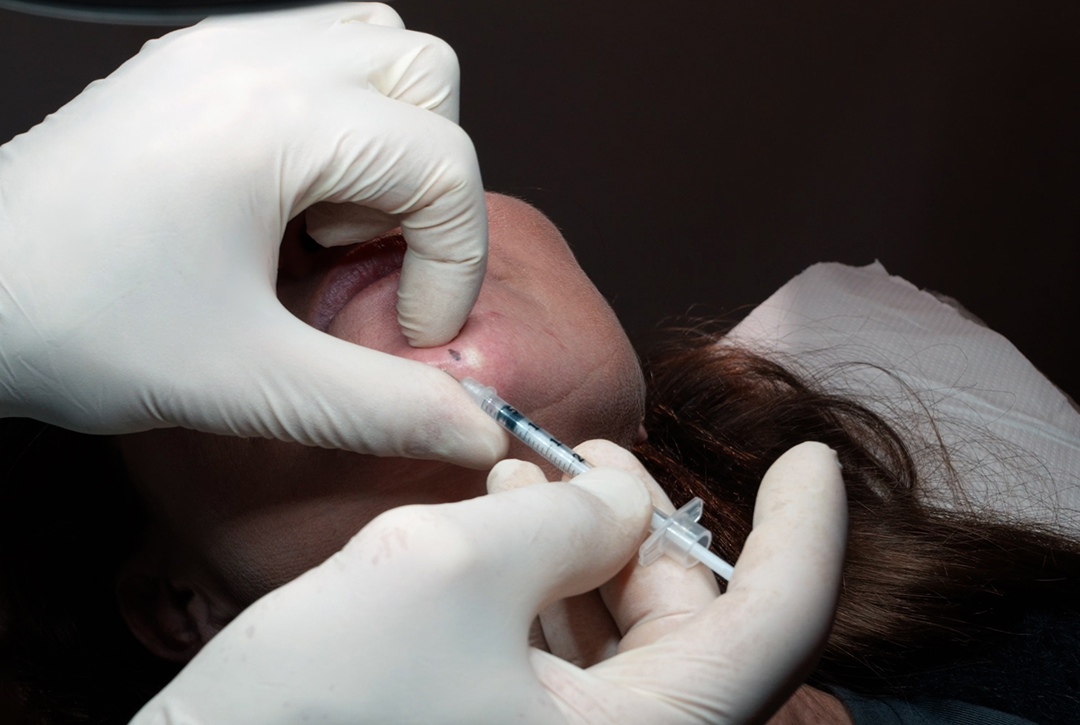
Botulinum toxin injected into the masseter reduces its activity, which over time leads to a gradual reduction in muscle bulk. The functional benefits, including reduced jaw tension and less clenching force, are often noticed first. The aesthetic change in jaw shape follows as the muscle volume decreases over successive treatment cycles.
Non-surgical jawline contouring: realistic outcomes and timelines
Softening the jawline with botulinum toxin is a gradual process rather than an immediate change. After the first treatment, you may notice reduced jaw tension within two to four weeks, but the visible reduction in masseter bulk typically becomes more apparent after two or three treatment cycles, each spaced approximately four months apart. The degree of change depends on your baseline masseter size and the extent of hypertrophy. If your wider jaw is primarily structural, meaning it reflects bone rather than muscle, botulinum toxin will have a more limited effect on the overall shape. A careful assessment distinguishes between these factors before treatment begins.
—
Using Botulinum Toxin to Improve Facial Symmetry
How asymmetry develops and why it is more common than you might think
Perfect facial symmetry is exceptionally rare. Most faces have some degree of natural asymmetry, and many people are not consciously aware of theirs until they look at photographs taken from different angles. Asymmetry can be structural, reflecting differences in bone or soft tissue volume on each side, or dynamic, reflecting differences in muscle activity. Dynamic asymmetry, where one muscle group is more active than its counterpart on the opposite side, is the type most amenable to botulinum toxin treatment.
Common examples include one brow sitting lower than the other due to unequal depressor activity, one side of the jaw appearing fuller due to unilateral masseter hypertrophy, or one mouth corner resting lower than the other. Habitual expression patterns, previous dental work and even sleeping position can all contribute to asymmetry developing or worsening over time.
Assessing and addressing asymmetry with precision
Addressing asymmetry with botulinum toxin requires a different approach from symmetrical treatment. Rather than applying the same dose to both sides, the practitioner adjusts the amount and placement on each side to compensate for the difference in muscle activity. This requires careful observation of the face at rest and during movement, precise measurement of proportions, and a clear understanding of what is driving the asymmetry.
At Dr Alek Nikolic’s practice, VISIA skin analysis and clinical photography support this assessment by providing a detailed, objective record of facial proportions and surface characteristics. Ultrasound technology can assist in identifying structural details relevant to treatment planning. Not all asymmetry is suitable for botulinum toxin correction alone; some cases benefit from a combination approach with hyaluronic acid-based dermal fillers, and some asymmetries are better left untreated or addressed through other means. The assessment is where that determination is made.
—
What Happens at a Botulinum Toxin Consultation for Lower Face and Lift Treatments?
Assessment tools and the diagnostic-first approach at Dr Alek Nikolic
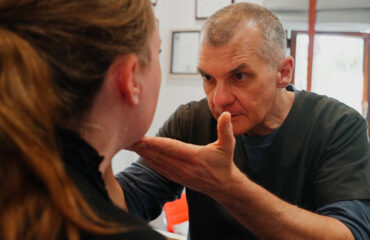
A consultation at Dr Alek Nikolic’s practice does not begin with a treatment list. It begins with a conversation about your concerns and a careful examination of your face in motion and at rest. The aim is to understand what is driving what you are seeing, not simply to identify a treatment that corresponds to a symptom.
For lower face and lift treatments, this assessment includes observing how your muscles move during natural expression, evaluating your resting facial proportions, and identifying any asymmetry in muscle activity between the two sides of your face. VISIA skin analysis provides objective data on skin surface and subsurface characteristics that may be relevant to the overall plan. Where appropriate, ultrasound technology supports the assessment by providing additional structural detail.
Dr Alek serves as Allergan Local Country Mentor in Facial Aesthetics and has lectured internationally on injection technique and facial anatomy. This formal training informs the diagnostic-first methodology that underpins every consultation at the practice. You will leave your first appointment with a clear understanding of what has been observed, what botulinum toxin can realistically achieve for your specific anatomy, and what the proposed approach involves. No decision about proceeding is expected at that stage.
The practice team includes Dr Lynelle, Vashnee (skincare therapist) and Sam (practice coordinator), each contributing to an environment where assessment precedes every treatment decision.
—
Frequently Asked Questions About Botulinum Toxin Uses Beyond Frown Lines
Can botulinum toxin actually lift my eyebrows, or is that just a marketing claim?
Yes, a brow lift using botulinum toxin is a well-established technique grounded in anatomy. By relaxing the muscles that pull the brow downward, the forehead’s natural elevating muscle is free to raise the brow position. The degree of lift depends on your individual muscle anatomy and brow position at baseline, which is why a careful assessment is essential before treatment.
How long does a botulinum toxin brow lift last?
Most people find the effect lasts between three and four months, similar to other botulinum toxin applications. Individual variation in muscle metabolism, treatment frequency and lifestyle factors all influence longevity. Your practitioner can advise on a maintenance schedule based on how your muscles respond over time.
Is botulinum toxin for a gummy smile safe, and how quickly does it work?
When performed by a medically trained practitioner with a detailed understanding of the upper lip musculature, this is a well-tolerated treatment. Most people notice a visible reduction in gum show within seven to fourteen days. The effect is temporary, typically lasting three to four months, and the dose can be refined at follow-up if needed.
Will botulinum toxin for my jawline make my face look slimmer?
Relaxing the masseter muscle can gradually reduce its bulk over a series of treatments, which often softens the lower face and creates a slightly more tapered jawline. This is not a weight-loss treatment, and outcomes depend on your baseline masseter size and facial structure. Changes in jaw shape typically become more noticeable after two or three treatment cycles.
Can botulinum toxin fix the downturned corners of my mouth?
A small amount of botulinum toxin placed into the depressor anguli oris muscle can allow the corners to rest in a more neutral or slightly upward position. This is a delicate area requiring precise dosing, as too much product in the wrong location can affect your smile. Assessment of your individual muscle anatomy guides the approach.
What causes chin puckering and can botulinum toxin treat it?
Chin puckering, sometimes described as an ‘orange peel’ texture on the chin, is caused by overactivity of the mentalis muscle. Botulinum toxin placed into this muscle relaxes the repetitive contractions responsible for the texture. It is one of the more straightforward lower face applications and tends to respond well to conservative dosing.
Is botulinum toxin for lip lines better than filler, or should I have both?
Botulinum toxin and dermal fillers address lip lines through different mechanisms. Botulinum toxin reduces the muscle activity that creates dynamic lines, whilst hyaluronic acid-based dermal fillers restore volume in static lines. For some people, one approach is sufficient; for others, a combination works better. This is determined during your consultation based on the nature and depth of your lines.
Can botulinum toxin improve facial symmetry, and how does the assessment work?
Botulinum toxin can address certain types of facial asymmetry by adjusting the activity of specific muscles on one side of the face relative to the other. The assessment involves careful analysis of muscle movement, resting position and proportions, often supported by VISIA skin analysis and clinical photography. Not all asymmetry is muscle-related, so a diagnostic assessment determines whether botulinum toxin is the appropriate tool.
What should I expect at my first botulinum toxin consultation in Cape Town?
At Dr Alek Nikolic’s practice, your first consultation begins with a detailed facial assessment rather than a treatment menu. This includes reviewing your concerns, examining muscle movement and facial proportions, and discussing what botulinum toxin can realistically achieve for your specific anatomy. You will leave with a clear understanding of the proposed approach, the expected timeline and what follow-up looks like, before any decision about proceeding is made.
Are lower face botulinum toxin treatments suitable for everyone?
Not everyone is a suitable candidate for every lower face application, which is precisely why assessment comes before treatment. Factors including muscle anatomy, skin laxity, previous treatments, medical history and your specific concerns all influence whether botulinum toxin is appropriate, whether another treatment would serve you better, or whether a combination approach makes more sense. Your practitioner will be direct with you if a different pathway is recommended.
Related Articles
- Botulinum Toxin for Jawline Softening and Facial Asymmetry: What to Expect
– Related cluster article - Botulinum Toxin for Brow Lift and Gummy Smile: What You Need to Know
– Related cluster article