Skinvive hydrates and improves skin texture without adding volume, whilst traditional dermal fillers reshape and add structure to specific facial features.
- Skinvive hydrates skin from within using micro-droplet hyaluronic acid technology, whilst traditional fillers add structural volume
- Traditional fillers target specific areas like lips and cheeks; Skinvive treats broader skin zones for overall texture improvement
- Skinvive results appear as improved skin quality rather than visible volume changes
- Treatment techniques differ significantly: Skinvive requires multiple micro-injections across treatment areas, fillers use targeted placement
- Both use hyaluronic acid but with different molecular weights and formulations designed for distinct outcomes
Skinvive differs from traditional dermal fillers in its primary purpose: whilst conventional fillers add volume and structure to specific facial areas, Skinvive focuses on deep skin hydration to improve texture and radiance without changing facial contours or dimensions.
When considering injectable aesthetic treatments, understanding the distinction between Skinvive and traditional dermal fillers is essential for making an informed decision. These treatments serve fundamentally different purposes, despite both involving injections into the skin. Whilst conventional fillers add volume and structure to specific facial areas, Skinvive focuses on deep skin hydration to improve texture and radiance without changing facial contours or dimensions.
The choice between these treatments depends entirely on your aesthetic goals. Traditional fillers excel at addressing volume loss, enhancing facial features, and creating structural changes. Skinvive, conversely, targets skin quality itself—improving texture, hydration, and overall radiance from within. Many patients find that understanding these core differences helps them articulate their concerns more clearly during consultations and set realistic expectations for their treatment outcomes.
This distinction matters because selecting the wrong treatment can lead to disappointing results or outcomes that don’t align with your vision. Someone seeking plumper lips will find traditional fillers more appropriate, whilst someone wanting smoother, more radiant skin texture without added volume will benefit from Skinvive’s approach. Understanding these differences empowers you to have more productive conversations with your aesthetic practitioner about your specific concerns.
Understanding the Fundamental Difference: Hydration vs Volume
The primary distinction between Skinvive and traditional dermal fillers lies in their intended purpose and mechanism of action. Traditional fillers are designed to add volume, lift sagging tissue, and create structural changes in facial contours. Skinvive, however, works by attracting and retaining moisture within the skin layers, improving texture and radiance without altering facial dimensions.
How Skinvive Works: The Hydration Mechanism
Skinvive utilises hyaluronic acid in a unique formulation specifically designed for widespread distribution throughout the skin. Rather than creating volume in a specific location, the product disperses evenly across treated areas, where it attracts and binds water molecules. This hydration occurs at the dermal level, meaning the moisture is held deep within the skin structure rather than sitting on the surface like topical moisturisers.
The hyaluronic acid molecules in Skinvive are formulated to integrate smoothly into the skin matrix, creating a reservoir of hydration that gradually releases moisture over time. This sustained hydration effect improves skin texture, reduces the appearance of fine lines caused by dehydration, and creates a subtle glow that reflects light more evenly across the skin surface. The treatment enhances what’s already there rather than adding something new.
Clinical experience shows that patients typically notice improvements in skin smoothness and texture within a few weeks, as the hyaluronic acid establishes its hydrating effect. The skin often appears more supple, with a healthier appearance that suggests well-hydrated, youthful tissue. This makes Skinvive particularly suitable for areas where volume isn’t needed but improved skin quality is desired—such as the lips for enhanced hydration, cheeks for radiance, or around the eyes for smoother texture.
How Traditional Fillers Work: The Volumising Approach
Traditional dermal fillers function through a completely different mechanism. These products are designed to physically occupy space beneath the skin, lifting tissue, filling hollows, and creating contour changes. When injected, they remain largely in the location where they’re placed, providing immediate structural support and volume enhancement.
The hyaluronic acid in traditional fillers typically has a higher concentration and different cross-linking properties compared to Skinvive. This creates a gel-like consistency that maintains its shape and position, allowing practitioners to sculpt specific areas with precision. The filler essentially acts as a scaffold, supporting tissue from beneath and creating the desired shape or fullness.
This volumising approach makes traditional fillers ideal for addressing concerns like nasolabial folds, hollow cheeks, thin lips requiring fullness, or areas where tissue has lost structural support due to ageing. The results are immediate and visible—you can see the change in contour or volume straight after treatment. Traditional fillers excel when the goal is to restore lost volume, enhance features, or create specific aesthetic changes to facial proportions.
The Molecular Structure Behind Each Treatment
The molecular differences between Skinvive and traditional fillers determine their behaviour once injected. Traditional fillers use hyaluronic acid with higher molecular weight and tighter cross-linking, creating a cohesive gel that maintains its structure. This cohesiveness is what allows the product to provide lift and volume in specific locations without migrating.
Skinvive’s formulation features hyaluronic acid designed for broader distribution and integration into the skin matrix. The molecular structure allows it to spread evenly throughout treated areas, creating uniform hydration rather than concentrated volume. This difference in molecular architecture explains why Skinvive improves overall skin quality whilst traditional fillers create targeted structural changes.
Understanding these molecular distinctions helps explain why each treatment produces its characteristic results. The science behind the formulation determines whether the product will stay put and provide volume or disperse and provide hydration—two entirely different outcomes from similar base ingredients.
Treatment Areas and Application Techniques
The areas where each treatment is typically applied reflect their different purposes. Skinvive and traditional fillers target different aesthetic concerns, which determines where practitioners inject them and how they approach the treatment process.
Where Skinvive Is Typically Applied
Skinvive is commonly used across larger surface areas where improved skin quality is the primary goal. The cheeks represent a popular treatment zone, where Skinvive can enhance overall radiance and texture without adding unwanted fullness. The treatment helps create that healthy, well-hydrated glow that suggests youthful, vital skin.
The area around the eyes also benefits from Skinvive’s hydrating approach. Whilst fillers might be too risky or create unwanted puffiness in this delicate zone, Skinvive can improve the texture and appearance of the skin itself. The under-eye area, where skin is particularly thin, often shows visible improvement in smoothness and fine line appearance.
For lips, Skinvive offers a unique benefit: enhanced hydration and texture improvement without adding volume. This makes it ideal for patients who like their lip size but want smoother, more supple lip tissue with better moisture retention. The treatment can reduce the appearance of vertical lip lines whilst maintaining natural dimensions—a distinct advantage for those seeking subtle enhancement.
Common Treatment Zones for Traditional Fillers
Traditional fillers are strategically placed in areas where volume restoration or enhancement is desired. The nasolabial folds—lines running from the nose to the corners of the mouth—are classic treatment zones. Fillers placed along these folds can soften their appearance by filling the depression and providing lift to the overlying tissue.
Lips represent another common area for traditional filler application, particularly when the goal is to add fullness, improve shape, or create more defined borders. The filler is carefully placed to achieve the desired volume increase whilst maintaining natural-looking proportions. This differs significantly from Skinvive’s approach to lip treatment, which focuses on texture rather than size.
Cheeks, temples, and jawline also frequently receive traditional filler treatments when volume restoration is needed. These areas often lose fullness with age, and strategic filler placement can restore youthful contours, provide lift to mid-face tissue, or create more defined facial structure. The precision placement of traditional fillers makes them ideal for these sculpting applications.
Injection Techniques: Micro-Droplets vs Strategic Placement
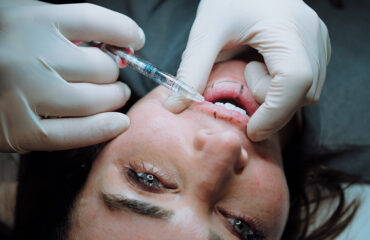
The injection technique differs substantially between Skinvive and traditional fillers. Skinvive is typically administered using a micro-droplet technique, where small amounts of product are placed at multiple points across the treatment area. This distribution pattern allows the product to spread evenly, creating uniform hydration throughout the region.
Traditional fillers require more strategic placement. Practitioners use various techniques—linear threading, fanning, or bolus injection—depending on the specific area and desired outcome. The goal is to place the product precisely where volume or lift is needed, creating the intended structural change. This requires detailed anatomical knowledge and artistic skill to achieve natural-looking results.
The difference in technique reflects each treatment’s purpose: Skinvive seeks to improve overall tissue quality across an area, whilst traditional fillers aim to create specific changes in targeted locations. Understanding this distinction helps explain why treatment sessions may feel different and why the number of injection points varies between the two approaches.
Expected Results and Timeline Differences
The results you can expect from Skinvive versus traditional fillers differ not only in appearance but also in how quickly they become apparent and how long they last. These timeline differences influence treatment planning and maintenance schedules.
What Skinvive Results Look Like
Skinvive produces subtle, natural-looking improvements in skin quality. Patients typically notice their skin feels smoother and more supple, with a healthy radiance that suggests well-hydrated tissue. Fine lines caused by dehydration may appear softened, and the skin often has a more even texture and tone.
The results are not dramatic in the way that volume-adding treatments are—you won’t see a change in facial contours or feature size. Instead, the improvement is in the quality and appearance of the skin itself. Many patients describe their skin as looking “healthier” or “more refreshed” rather than “different” or “enhanced”. This subtlety appeals to those seeking natural-looking improvements.
The full effect of Skinvive typically develops gradually over several weeks following treatment. Whilst some patients notice improvements within days, the optimal results generally appear as the hyaluronic acid fully integrates into the skin matrix and establishes its hydrating effect. This gradual improvement creates a natural-looking transition that others may not identify as the result of a treatment.
What Traditional Filler Results Look Like
Traditional filler results are immediate and visible. You can see the change in volume or contour straight after the treatment session, though some swelling may initially exaggerate the effect. Once any swelling subsides—typically within a few days—the true result becomes apparent.
The change is more obvious than with Skinvive because the treatment actually alters facial dimensions or proportions. Lips appear fuller, cheeks look more voluminous, and folds appear softened or filled. This visible change is precisely what many patients seek when they choose traditional fillers—they want to see a clear difference in their appearance.
The immediate nature of filler results allows for precise assessment during the treatment session. Practitioners can evaluate the outcome whilst the patient is still in the treatment room and make adjustments if needed. This real-time feedback differs from Skinvive, where the full effect develops over time and cannot be fully assessed immediately.
Duration of Results: How Long Each Treatment Lasts
Skinvive results typically last approximately six months, though individual experiences vary based on factors like metabolism, lifestyle, and skin condition. The hydrating effect gradually diminishes as the hyaluronic acid naturally breaks down and is absorbed by the body. Maintenance treatments are generally recommended every six months to sustain the improved skin quality.
Traditional filler longevity varies considerably depending on the specific product used, the treatment area, and individual factors. Some fillers last six to nine months, whilst others may provide results for twelve to eighteen months or longer. Areas with more movement, like the lips, typically metabolise filler more quickly than less mobile areas like the cheeks.
The difference in longevity influences treatment planning and investment considerations. Whilst Skinvive requires relatively consistent maintenance every six months, traditional filler schedules vary based on the product chosen and the treatment area. Understanding these timelines helps patients plan their aesthetic maintenance routine and budget accordingly.
Which Treatment Addresses Your Specific Concerns
Choosing between Skinvive and traditional fillers depends on accurately identifying your primary aesthetic concerns. Each treatment excels in specific situations, and understanding these applications helps ensure you select the approach that will deliver the results you’re seeking.
When Skinvive Is the Better Choice
Skinvive is ideal when your primary concern is skin quality rather than volume loss or feature enhancement. If you’re bothered by dull, dehydrated-looking skin, rough texture, or fine lines caused by lack of moisture, Skinvive’s hydrating approach directly addresses these issues. The treatment improves what’s already there without changing your facial proportions.
For patients who like their facial features but want healthier-looking skin, Skinvive offers an excellent solution. This includes people concerned about the texture of their cheeks, the appearance of their under-eye area (where volume-adding treatments might create puffiness), or those wanting more supple, hydrated lips without added fullness. The treatment enhances natural beauty without creating obvious changes.
Skinvive also suits patients seeking preventative care—those who want to maintain good skin quality before significant ageing concerns develop. By keeping skin well-hydrated at the dermal level, the treatment may help slow the visible signs of skin ageing. This preventative approach appeals to younger patients or those committed to proactive skincare maintenance.
When Traditional Fillers Are More Appropriate
Traditional fillers are the better choice when volume restoration or feature enhancement is the primary goal. If you’ve noticed hollowing in your cheeks, deep nasolabial folds, or loss of lip fullness, fillers can directly address these structural concerns by replacing lost volume or augmenting existing features.
Patients seeking specific aesthetic changes—such as fuller lips, more defined cheekbones, or a smoother jawline—will find traditional fillers more suitable for achieving these outcomes. The ability to sculpt and shape specific areas makes fillers ideal for targeted enhancement rather than overall skin quality improvement.
Traditional fillers also excel when the concern involves significant volume loss that cannot be addressed through hydration alone. As facial fat pads diminish with age, creating hollows and sagging, fillers can restore the three-dimensional structure that gives faces their youthful appearance. This structural restoration requires the volumising properties that traditional fillers provide.
Can These Treatments Be Combined?
Many patients benefit from combining Skinvive with traditional fillers, as the treatments address different aspects of facial aesthetics. Someone might receive traditional filler in their lips for added fullness whilst also receiving Skinvive in their cheeks for improved skin radiance. This combination approach allows for comprehensive facial rejuvenation that addresses both structure and skin quality.
The treatments complement each other well because they work through different mechanisms. Traditional fillers create the structural foundation—restoring volume and enhancing features—whilst Skinvive improves the quality of the skin covering that foundation. Together, they can create more complete aesthetic improvement than either treatment alone.
Combining treatments requires careful planning to ensure optimal results and avoid over-treatment. A thorough consultation helps determine which areas would benefit from volume enhancement versus hydration improvement, creating a customised treatment plan that addresses your specific concerns comprehensively. This personalised approach ensures that each treatment contributes meaningfully to your overall aesthetic goals.
Cost Considerations and Treatment Value
Understanding the investment required for Skinvive versus traditional fillers helps with treatment planning and long-term aesthetic budgeting. Both the initial investment and maintenance requirements differ between these approaches.
Investment Differences Between Skinvive and Fillers
The investment for Skinvive and traditional fillers varies based on several factors, including the treatment area size, the amount of product needed, and the specific filler product chosen. Skinvive treatments typically involve larger surface areas, as the product is distributed across zones like the entire cheek region rather than placed in specific points.
Traditional filler investment depends significantly on the area being treated and how much volume restoration is needed. Lip enhancement might require less product than cheek augmentation, affecting the overall investment. Additionally, different filler products have different pricing structures, with longer-lasting formulations generally representing a higher initial investment.
When evaluating investment, consider the treatment’s purpose and expected outcomes. Skinvive’s focus on skin quality improvement represents a different value proposition than traditional fillers’ structural enhancement. The appropriate investment depends on which outcome aligns with your aesthetic priorities—improved skin texture and hydration versus restored volume and enhanced features.
Maintenance Requirements and Long-Term Planning
Both Skinvive and traditional fillers require maintenance treatments to sustain results, but the schedules differ. Skinvive generally requires repeat treatments approximately every six months to maintain the hydrating effect. This consistent schedule makes long-term planning relatively straightforward—you can anticipate needing treatment twice annually.
Traditional filler maintenance varies more widely. Some areas and products require touch-ups every six to nine months, whilst others may last twelve to eighteen months or longer. Areas with more facial movement typically need more frequent maintenance than relatively static areas. This variability means your maintenance schedule depends on where you receive filler and which product is used.
Long-term planning should account for both the cumulative investment and the time commitment required for maintenance appointments. Some patients prefer the predictable schedule of Skinvive, whilst others appreciate that certain traditional fillers require less frequent maintenance. Understanding these patterns helps you plan your aesthetic care routine in a way that fits your lifestyle and budget.
Consider also that your aesthetic needs may evolve over time. Younger patients might begin with Skinvive for preventative skin quality maintenance, later incorporating traditional fillers as volume loss becomes a concern. This evolving approach allows you to address changing aesthetic priorities whilst maintaining overall facial harmony.
Frequently Asked Questions
Can Skinvive replace my regular dermal filler treatments?
Skinvive cannot replace traditional dermal fillers if your primary concern is volume loss or feature enhancement. The treatments serve different purposes—Skinvive improves skin hydration and texture, whilst traditional fillers restore volume and create structural changes. If you’ve been receiving fillers to address hollowing, deep folds, or to enhance lip fullness, Skinvive won’t provide these volumising effects. However, if your skin quality has become a concern alongside volume issues, you might benefit from incorporating Skinvive as a complementary treatment rather than a replacement.
Is Skinvive safer than traditional dermal fillers?
Both Skinvive and traditional dermal fillers have established safety profiles when administered by qualified practitioners. The safety of either treatment depends more on proper technique, anatomical knowledge, and appropriate patient selection than on the product itself. Skinvive’s widespread distribution pattern may reduce certain risks associated with concentrated volume placement, whilst traditional fillers’ precision placement allows for careful avoidance of sensitive structures. The most important safety factor is choosing an experienced practitioner who understands facial anatomy and uses proper injection techniques for whichever treatment you receive.
Will Skinvive make my face look fuller like fillers do?
Skinvive does not add volume or make your face look fuller. The treatment improves skin quality—texture, hydration, and radiance—without changing facial contours or dimensions. You won’t see the kind of volumising effect that traditional fillers provide. This makes Skinvive ideal for patients who are satisfied with their facial proportions but want healthier-looking skin. If you’re seeking added fullness in specific areas, traditional fillers would be more appropriate for achieving that goal.
How soon will I see results from Skinvive compared to traditional fillers?
Traditional fillers provide immediate visible results—you can see the change in volume or contour straight after treatment. Skinvive works differently, with results developing gradually over several weeks as the hyaluronic acid integrates into your skin and establishes its hydrating effect. Some patients notice improvements in skin texture within days, but optimal results typically appear after a few weeks. This difference in timeline reflects each treatment’s mechanism: fillers physically occupy space immediately, whilst Skinvive creates biological changes that take time to fully manifest.
Does Skinvive hurt less than traditional filler injections?
Discomfort levels vary between individuals and depend on multiple factors including the treatment area, injection technique, and personal pain tolerance. Skinvive uses a micro-droplet technique with multiple small injections across a broader area, whilst traditional fillers involve more strategic placement that may require deeper injection in some cases. Many patients find both treatments tolerable, particularly when topical anaesthetic is applied beforehand. The lip area tends to be more sensitive regardless of which treatment is used. Your practitioner can discuss comfort measures to ensure a more pleasant treatment experience.
Making the Right Choice for Your Aesthetic Goals
The decision between Skinvive and traditional dermal fillers ultimately depends on accurately identifying your primary aesthetic concerns. If you’re seeking improved skin quality—enhanced hydration, better texture, and natural radiance—Skinvive offers a targeted solution that works at the dermal level without changing your facial proportions. If you need volume restoration, feature enhancement, or structural changes, traditional fillers provide the volumising effect necessary to achieve those goals.
Many patients discover that the most effective approach combines both treatments, addressing skin quality and structural concerns simultaneously. This comprehensive strategy recognises that beautiful, youthful-looking skin requires both good tissue quality and appropriate volume distribution. A thorough consultation with an experienced practitioner helps determine which treatment—or combination of treatments—will best address your specific concerns and deliver results that align with your aesthetic vision.
Understanding these fundamental differences empowers you to have more productive conversations during consultations and set realistic expectations for your treatment outcomes. Whether you choose Skinvive, traditional fillers, or a combination approach, the key is selecting treatments that address your actual concerns rather than following trends or choosing based solely on what others have done. Your aesthetic journey should be as individual as you are, with treatments customised to your unique needs and goals.
Related Articles
- Skinvive for lip hydration without adding volume
– Links to parent pillar article explaining Skinvive’s hydration-focused approach for specific treatment area