Skinvive provides deep lip hydration through injectable hyaluronic acid microdroplets that improve texture and smoothness without adding volume, offering a fundamentally different approach from traditional lip fillers.
- Skinvive hydrates lips through microdroplet hyaluronic acid technology without adding volume or altering lip shape
- While FDA-approved for cheek smoothness, experienced practitioners use Skinvive off-label for lip hydration
- The treatment addresses lip texture, fine lines, and dryness rather than structural enhancement
- Results typically last 6 months and can complement existing lip filler for patients wanting both hydration and volume
- Ideal for patients seeking lip improvement without the ‘overdone’ filler appearance
Skinvive is an FDA-approved skin booster that uses microdroplet hyaluronic acid technology to hydrate the skin, improve texture, soften fine lines and wrinkles, and restore a natural, healthy glow. While Skinvive is approved for use on the cheeks, its use in the lips is considered off-label and should only be performed at a trained medical doctor’s discretion, following a thorough discussion with the patient during the pre-treatment consultation.
Lips reveal age and lifestyle habits more obviously than many other facial features. Whilst traditional dermal fillers have dominated aesthetic lip treatments for years, a different approach has emerged for patients whose concerns centre on texture, fine lines, and dryness rather than size or shape. Skinvive represents a fundamentally different category of lip treatment—one that hydrates tissue from within without adding structural volume or changing lip contours.
This distinction matters considerably. Many individuals experience lip texture concerns—vertical lines, dryness, uneven surface quality—yet feel apprehensive about traditional filler treatments that might alter their natural appearance. Others already have lip filler but notice their lips still lack the smooth, hydrated quality they desire. Skinvive addresses these specific concerns through microdroplet hyaluronic acid technology that works beneath the surface to improve tissue quality rather than augment structure.
Understanding the difference between hydration treatments and volumising fillers empowers patients to make informed decisions about their lip care. Not everyone seeking lip improvement wants larger lips; many simply want healthier-looking, smoother lips that maintain their natural character. This article explores how Skinvive works for lip hydration, who benefits most from this approach, and how it differs from traditional filler treatments. Whether you’re considering your first aesthetic lip treatment or looking to enhance existing results, understanding these distinctions helps you communicate your goals effectively during professional consultation.
What Is Skinvive and How Does It Work for Lip Hydration?
Skinvive represents a newer category of aesthetic injectable called a skin booster, designed specifically to hydrate tissue from within rather than add volume or structure. The product uses modified hyaluronic acid formulated to integrate throughout the dermal tissue, attracting and retaining moisture at a cellular level. Unlike traditional dermal fillers that create structural support and shape, Skinvive disperses through tissue to improve overall quality and hydration.
The Microdroplet Hyaluronic Acid Technology
The technology behind Skinvive involves injecting very small amounts of hyaluronic acid in multiple points across the treatment area using a microdroplet technique. This creates a network of hydration throughout the tissue rather than concentrated deposits in specific locations. The hyaluronic acid used in Skinvive has a lower molecular weight and different cross-linking than volumising fillers, allowing it to spread more evenly through tissue layers.
Once injected, the hyaluronic acid integrates with surrounding tissue and begins attracting water molecules—a natural property of hyaluronic acid. This process hydrates tissue from within, improving texture, smoothness, and overall skin quality. In lip tissue specifically, this hydration can soften fine vertical lines, improve surface smoothness, and create a healthier appearance without changing lip size or shape.
FDA Approval for Cheeks and Off-Label Lip Use
Skinvive received FDA approval specifically for improving cheek smoothness in adults, making it the first hyaluronic acid skin booster approved in the United States for this indication. When practitioners use Skinvive for lip hydration, this constitutes off-label use—a common and accepted practice in aesthetic medicine when clinical judgement supports the application.
Off-label use means employing an approved product for purposes beyond its specific regulatory approval. Many established aesthetic treatments began as off-label applications before gaining formal approval for additional indications. Experienced practitioners evaluate each patient individually to determine whether off-label Skinvive treatment for lip hydration represents an appropriate option based on the patient’s concerns and goals.
Skinvive vs Volite: International Context
Patients researching lip hydration treatments may encounter references to both Skinvive and Volite. These are essentially the same product marketed under different names in different regions. Volite is the brand name used internationally, whilst Skinvive is the name used in the United States market. Both products use the same microdroplet hyaluronic acid technology and work through the same mechanism to hydrate tissue and improve texture.
Why Lips Lose Hydration and Develop Texture Issues
Understanding why lips develop texture problems and lose hydration helps explain why treatments like Skinvive address these concerns effectively. Lip tissue differs from other facial skin in several important ways, making it particularly vulnerable to moisture loss and texture changes over time.
Age-Related Changes in Lip Tissue
Lips undergo significant changes with age that affect both appearance and texture. The natural production of hyaluronic acid in lip tissue decreases over time, reducing the tissue’s ability to retain moisture effectively. Collagen and elastin fibres that provide structure and resilience also diminish, leading to thinner lip tissue that shows fine lines more readily.
The vermilion border—the defined edge where lip meets surrounding skin—often becomes less distinct with age, whilst vertical lip lines become more prominent. These changes result partly from repetitive muscle movements over decades and partly from the intrinsic ageing process that affects all facial tissues. The combination creates lips that may appear drier, thinner, and more lined than in earlier years, even when lip size hasn’t changed dramatically.
Environmental Factors Affecting Lip Moisture
Lip skin lacks the protective sebaceous glands found in most facial skin, making it inherently more vulnerable to environmental moisture loss. Sun exposure, wind, dry air, and temperature extremes all extract moisture from lip tissue more readily than from surrounding skin. Over time, this constant environmental stress contributes to chronic dehydration at a tissue level.
Lifestyle factors compound these environmental effects. Smoking accelerates collagen breakdown and restricts blood flow to lip tissue, whilst certain medications and health conditions affect overall hydration status. Even habits like licking lips or breathing through the mouth can worsen lip dryness by removing the thin protective lipid layer that helps retain moisture.
The Role of Hyaluronic Acid in Lip Health
Hyaluronic acid occurs naturally throughout the body, with particularly high concentrations in skin tissue where it serves crucial functions in maintaining hydration and tissue quality. Each hyaluronic acid molecule can hold up to 1,000 times its weight in water, making it exceptionally effective at retaining moisture within tissues.
In healthy lip tissue, naturally occurring hyaluronic acid helps maintain plumpness, smoothness, and resilience. As natural hyaluronic acid levels decline with age, lips lose this built-in hydration system, becoming more prone to dryness, fine lines, and texture irregularities. Replenishing hyaluronic acid through treatments like Skinvive essentially restores this natural hydration mechanism, improving tissue quality from within rather than simply coating the surface with topical products.
Skinvive vs Lip Filler: Understanding the Fundamental Difference
The distinction between Skinvive and traditional lip filler represents one of the most important concepts for patients to understand when considering lip treatments. These products serve entirely different purposes and produce fundamentally different results, despite both being hyaluronic acid injectables.
Hydration vs Volume: Two Different Treatment Categories
Traditional lip fillers belong to the category of volumising dermal fillers—products designed to add structure, shape, and size to lips. They work by creating concentrated deposits of hyaluronic acid gel that physically augment lip tissue, making lips fuller and changing their contours. This structural approach suits patients wanting larger lips, enhanced definition, or correction of asymmetries.
Skinvive belongs to the skin booster category—products designed to hydrate and improve tissue quality without adding volume. Rather than creating structural changes, skin boosters work throughout the tissue to enhance hydration, texture, and overall quality. This approach suits patients whose lips are already the size they want but who desire improved smoothness, reduced fine lines, or better overall texture.
How Traditional Dermal Fillers Work in Lips
Traditional lip fillers use highly cross-linked hyaluronic acid with a gel-like consistency that maintains its structure after injection. Practitioners place this gel strategically within lip tissue to create specific effects—adding volume to the body of the lip, defining the border, enhancing the cupid’s bow, or correcting asymmetries. The filler remains where it’s placed, creating predictable volumising effects.
The hyaluronic acid in these fillers has high molecular weight and substantial cross-linking, giving it the cohesive properties needed to provide structural support. This allows practitioners to sculpt and shape lips precisely, creating results that range from subtle enhancement to dramatic transformation depending on the amount used and placement technique.
How Skinvive Works Differently in Lip Tissue
Skinvive uses hyaluronic acid with lower molecular weight and different cross-linking properties that allow it to disperse throughout tissue rather than remaining in concentrated deposits. When injected using the microdroplet technique, Skinvive spreads through the dermal layers of lip tissue, integrating with surrounding cells and attracting moisture throughout the treatment area.
This dispersed distribution means Skinvive doesn’t create the structural augmentation that fillers provide. Instead, it improves the quality of existing tissue by enhancing hydration at a cellular level. The result is smoother texture, reduced appearance of fine lines, and improved overall lip quality—without changing lip size, shape, or contours.
When to Choose Hydration Over Volume
Choosing between Skinvive and traditional filler depends entirely on your specific concerns and goals. Skinvive suits patients who are satisfied with their lip size and shape but want to address texture issues, vertical lip lines, or chronic dryness. It’s ideal for those seeking subtle improvement in lip quality without any risk of the “overdone” appearance sometimes associated with lip filler.
Traditional filler remains the appropriate choice when structural changes are desired—adding volume to thin lips, creating more defined borders, enhancing the cupid’s bow, or correcting asymmetries. Many patients ultimately benefit from both approaches: filler for structure and Skinvive for optimal hydration and texture.
Who Is an Ideal Candidate for Skinvive Lip Hydration?
Not every patient seeking lip improvement needs or wants Skinvive. Understanding who benefits most from this approach helps set appropriate expectations and ensures patients choose treatments aligned with their actual concerns and goals.
Patients Seeking Texture Improvement Without Structural Change
The ideal Skinvive candidate has lips that are already the size and shape they want but suffer from texture concerns—fine vertical lines, dryness, uneven surface quality, or a generally dehydrated appearance. These patients don’t want their lips to look different; they want them to look healthier and smoother whilst maintaining their natural character.
Clinical experience suggests Skinvive works particularly well for patients in their thirties through fifties who are beginning to notice age-related texture changes but aren’t yet ready for volumising treatments. It also suits younger patients with naturally dry lip tissue who want to improve hydration and prevent premature texture deterioration.
Those Nervous About the ‘Overdone’ Filler Look
Many individuals hesitate to try lip treatments because they fear achieving an unnatural or “overdone” appearance. Skinvive offers these patients a way to improve their lips without any risk of volumisation. Since Skinvive doesn’t add structure or change lip contours, it cannot create the overfilled appearance that concerns these patients.
This makes Skinvive an excellent first step for patients curious about aesthetic lip treatments but apprehensive about dramatic changes. The subtle, natural-looking improvements help patients become comfortable with injectable treatments whilst addressing genuine concerns about lip quality and texture.
Existing Filler Patients Wanting Enhanced Hydration
Patients who already have lip filler sometimes notice that whilst their lips have the volume and shape they want, the texture still isn’t optimal. Filler provides structure but doesn’t necessarily address hydration at a tissue level. These patients may benefit from adding Skinvive to enhance the hydration and smoothness of their filler-augmented lips.
Combining both approaches can create optimal results for patients wanting both structural enhancement and superior tissue quality. The filler provides the desired shape and volume, whilst Skinvive ensures the tissue itself is well-hydrated and smooth-textured.
When Skinvive May Not Be Appropriate
Skinvive isn’t suitable for every patient or every lip concern. Those seeking volume enhancement, lip augmentation, or correction of structural issues like asymmetry need traditional dermal fillers rather than a hydration treatment. Skinvive also may not be appropriate for patients with active infections, certain autoimmune conditions, or those who are pregnant or breastfeeding.
Professional consultation determines whether Skinvive addresses your specific concerns appropriately. Honest communication about your goals helps your practitioner recommend the most suitable treatment approach, whether that’s Skinvive, traditional filler, or a combination of both.
The Skinvive Lip Treatment Experience: What to Expect
Understanding what happens during a Skinvive lip treatment helps patients prepare appropriately and know what to expect throughout the process. The experience differs somewhat from traditional filler treatments due to the different injection technique and treatment goals.
Pre-Treatment Consultation and Assessment
A thorough consultation precedes any Skinvive treatment. Your practitioner assesses your lip tissue quality, discusses your specific concerns, and determines whether Skinvive appropriately addresses your goals. This consultation includes reviewing your medical history, current medications, and any previous lip treatments to ensure Skinvive represents a safe and suitable option.
During this assessment, your practitioner explains realistic expectations for Skinvive results—what improvements you can anticipate and what concerns require different treatment approaches. Photographs typically document your baseline lip appearance for comparison with post-treatment results. This consultation ensures both you and your practitioner have aligned expectations before proceeding.
During the Treatment: Technique and Comfort
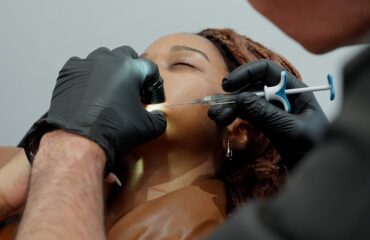
Skinvive lip treatment typically begins with application of topical anaesthetic cream to enhance comfort during the injections. After allowing time for the anaesthetic to take effect, your practitioner uses very fine needles to inject small amounts of Skinvive in multiple points across the lip area using the microdroplet technique.
The injection process usually takes 15-20 minutes, depending on the treatment area. Most patients describe the sensation as mild discomfort rather than significant pain, though lips are naturally sensitive tissue. The microdroplet technique involves more injection points than traditional filler placement, but each individual injection deposits only a tiny amount of product.
Immediate Aftercare and Recovery
Immediately following treatment, you may notice small injection marks, mild swelling, and possible bruising. These effects are generally less dramatic than with traditional filler treatments since Skinvive involves smaller volumes of product. Most patients can return to normal activities immediately, though avoiding strenuous exercise for 24 hours is typically recommended.
Your practitioner provides specific aftercare instructions, which generally include avoiding excessive heat, alcohol, and blood-thinning medications for a day or two to minimise bruising risk. Gentle ice application can help reduce any swelling. Most injection marks resolve within a day, whilst any bruising typically fades within a few days.
Timeline for Visible Results
Skinvive results develop gradually rather than appearing immediately. Some patients notice improved lip texture within a few days as initial swelling subsides and the hyaluronic acid begins integrating with tissue. Optimal results typically become apparent over 2-4 weeks as the product fully incorporates and attracts moisture throughout the treated tissue.
This gradual improvement timeline differs from traditional filler, which provides immediate volumising effects. The subtle, progressive nature of Skinvive results contributes to the natural-looking outcome that makes these treatments appealing to patients seeking improvement without obvious intervention.
Combining Skinvive with Lip Filler: The Best of Both Approaches
For some patients, optimal lip results require addressing both structural concerns and tissue quality. Combining Skinvive with traditional lip filler allows practitioners to enhance volume and shape whilst ensuring optimal hydration and texture.
When Patients Need Both Hydration and Volume
Patients who want fuller lips but also struggle with texture issues, fine lines, or chronic dryness may benefit from combining both treatment approaches. The filler provides the desired structural enhancement—adding volume, defining borders, or correcting asymmetries—whilst Skinvive ensures the augmented tissue maintains optimal hydration and smooth texture.
This combination approach particularly suits patients with naturally dry or textured lips who want volumising results. Without addressing the underlying hydration and texture concerns, filler alone might create fuller lips that still appear dry or lined. Adding Skinvive optimises the overall quality of the augmented tissue.
Treatment Sequencing and Timing
When combining treatments, proper sequencing and timing matter. Generally, practitioners prefer to establish the desired lip structure with filler first, then add Skinvive for hydration enhancement. This approach allows the filler to settle and integrate before introducing the hydration treatment.
The specific timing between treatments varies based on individual circumstances and practitioner preference. Some practitioners treat on the same day, whilst others prefer spacing treatments by a few weeks. Your practitioner determines the most appropriate timing based on your specific treatment plan and the products being used.
Maintenance Strategies for Optimal Lip Health
Maintaining optimal lip results with combined treatments requires a thoughtful maintenance schedule. Traditional lip fillers typically last 6-12 months depending on the specific product and individual factors, whilst Skinvive hydration generally lasts approximately 6 months. This creates a maintenance rhythm where Skinvive treatments occur more frequently than filler top-ups.
Many patients establish a maintenance schedule of Skinvive treatments twice yearly for hydration, with filler top-ups as needed to maintain desired volume—often once yearly. This approach ensures both structural enhancement and optimal tissue quality remain consistent over time.
Results, Longevity, and Realistic Expectations
Understanding what Skinvive realistically achieves helps patients develop appropriate expectations and evaluate whether this treatment addresses their specific concerns effectively.
What Improvements Patients Typically Experience
Patients generally report improved lip texture and smoothness as the primary benefits of Skinvive treatment. Fine vertical lines often appear softened, whilst the overall surface quality of lips becomes more even and refined. Lips typically appear healthier and more hydrated without looking noticeably different in size or shape.
Some patients describe their treated lips as feeling more supple and comfortable, with reduced tendency towards dryness. The hydration effect can make lips appear slightly fuller in the same way well-moisturised skin looks plumper than dehydrated skin, but this represents improved tissue quality rather than structural volume addition.
How Long Skinvive Lip Hydration Lasts
Clinical experience suggests Skinvive lip hydration typically lasts approximately 6 months, though individual results vary considerably. Factors including metabolism, lifestyle habits, and overall lip care influence how long results persist. Some patients maintain results slightly longer, whilst others notice gradual return of texture concerns within 4-5 months.
The gradual nature of Skinvive wearing off means results don’t disappear suddenly. Instead, patients notice a progressive return to baseline texture over time. Many patients schedule maintenance treatments twice yearly to sustain optimal hydration and texture improvements consistently.
Factors That Influence Results
Several factors influence both the quality and longevity of Skinvive results. Individual metabolism affects how quickly the body breaks down hyaluronic acid, with faster metabolisms generally experiencing shorter result duration. Lifestyle factors including sun exposure, smoking, and overall hydration status impact lip tissue quality and treatment longevity.
The skill and technique of your practitioner significantly influence results. Proper injection technique, appropriate product placement, and suitable treatment dosing all affect the outcome. This underscores the importance of choosing an experienced practitioner familiar with skin booster treatments and lip anatomy.
Choosing the Right Lip Treatment: Consultation-Led Decision Making
Selecting the most appropriate lip treatment requires professional guidance based on thorough assessment of your specific concerns, goals, and lip anatomy. Self-diagnosis rarely leads to optimal treatment selection.
Assessing Your Lip Concerns and Goals
Before consultation, consider what specifically concerns you about your lips. Are you bothered by texture issues, fine lines, or dryness? Do you want your lips to look exactly the same but smoother and healthier? Or do you want structural changes—more volume, better definition, or enhanced shape? Clarifying these goals helps guide treatment selection.
Bringing reference photos to consultation can help communicate your goals, but ensure these represent realistic expectations rather than heavily edited images. Your practitioner can then explain which treatments address your specific concerns and what results you can realistically expect.
The Importance of Professional Evaluation
Professional evaluation considers factors you might not recognise as relevant to treatment selection. Lip anatomy, tissue quality, existing asymmetries, and overall facial proportions all influence which treatments suit you best. Your practitioner assesses these factors alongside your stated goals to recommend appropriate options.
This evaluation might reveal that your concerns require different treatments than you initially expected. Perhaps you thought you needed filler when Skinvive better addresses your actual concerns, or vice versa. Trust your practitioner’s expertise whilst ensuring they understand your goals and preferences clearly.
HPCSA Guidelines and Ethical Practice in South Africa
In South Africa, aesthetic treatments fall under Health Professions Council of South Africa (HPCSA) regulations governing ethical medical practice. These guidelines emphasise informed consent, realistic expectations, and appropriate patient selection for all aesthetic procedures.
Reputable practitioners follow these ethical guidelines by conducting thorough consultations, providing honest assessments of what treatments can achieve, and declining to treat patients when procedures aren’t appropriate for their concerns or goals. This patient-centred approach ensures treatments serve genuine aesthetic goals rather than commercial interests, ultimately leading to higher patient satisfaction and safer outcomes.
Frequently Asked Questions
Is Skinvive the same as lip filler?
No, Skinvive is fundamentally different from lip filler. Traditional lip fillers add volume and structure to change lip shape and size, whilst Skinvive hydrates lip tissue from within to improve texture and smoothness without adding volume. Think of Skinvive as an injectable moisturiser rather than a volumising filler.
Is Skinvive approved for use in lips?
Skinvive is FDA-approved specifically for improving cheek smoothness. When used in lips, it is considered off-label treatment. Experienced aesthetic practitioners may use Skinvive off-label for lip hydration based on clinical judgement and patient needs, similar to many established aesthetic treatments.
How long do Skinvive lip hydration results last?
Clinical experience suggests Skinvive lip hydration typically lasts approximately 6 months, though individual results vary based on factors including metabolism, lifestyle, and lip care habits. Many patients schedule maintenance treatments twice yearly to sustain optimal hydration and texture.
Does Skinvive hurt when injected into lips?
Most patients experience mild discomfort during Skinvive lip injections, similar to other injectable treatments. Topical anaesthetic is typically applied before treatment to enhance comfort. The lips are sensitive, but the microdroplet injection technique generally causes less discomfort than traditional filler placement.
Can I combine Skinvive with traditional lip filler?
Yes, Skinvive can complement lip filler beautifully. Patients who want both structural enhancement and optimal hydration may benefit from combining treatments. Your practitioner will advise on appropriate timing and sequencing based on your specific goals and existing treatments.
Will Skinvive make my lips look bigger?
No, Skinvive does not add volume or change lip size. It works by hydrating tissue from within, which may make lips appear slightly fuller due to improved hydration—similar to how well-moisturised skin looks plumper than dehydrated skin—but without structural augmentation.
Is Skinvive safe for lip treatment?
When administered by qualified, experienced practitioners, Skinvive has a favourable safety profile. Hyaluronic acid is naturally present in the body, which minimises risk of adverse reactions. However, all injectable treatments carry some risk, which is why professional consultation and proper technique are essential.
What’s the difference between Skinvive and Volite?
Skinvive and Volite are essentially the same product with different names for different markets. Volite is the brand name used internationally, whilst Skinvive is the name used in the United States. Both use the same microdroplet hyaluronic acid technology for skin hydration.
How soon will I see results from Skinvive lip treatment?
Some patients notice improved lip texture within a few days, but optimal results typically develop over 2-4 weeks as the hyaluronic acid integrates with lip tissue and attracts moisture. Results are subtle and natural-looking rather than immediately dramatic.
Who should not have Skinvive lip treatment?
Skinvive may not be appropriate for patients with active lip infections, certain autoimmune conditions, or those who are pregnant or breastfeeding. It’s also not suitable for patients seeking volume enhancement or lip shape changes—traditional fillers would be more appropriate for those goals. Professional consultation determines suitability.
Conclusion
Skinvive represents an important addition to the range of lip treatment options available to patients seeking aesthetic improvement. By addressing hydration and texture concerns without adding volume or changing lip structure, it fills a genuine gap between topical lip care and traditional volumising treatments. For patients whose concerns centre on lip quality rather than size, Skinvive offers a targeted solution that enhances natural beauty without dramatic transformation.
Understanding the distinction between hydration treatments and volumising fillers empowers you to make informed decisions about your lip care. Not every lip concern requires filler, just as not every patient wanting fuller lips can achieve optimal results with filler alone. The growing sophistication of aesthetic treatments allows practitioners to address specific concerns precisely, creating personalised treatment plans that align with individual goals and preferences.
Whether Skinvive suits your needs depends entirely on your specific concerns and what improvements you’re seeking. Professional consultation with an experienced practitioner provides the individualised assessment necessary to determine the most appropriate approach for your lips. By clearly communicating your goals and understanding the different tools available to address various concerns, you can work collaboratively with your practitioner to achieve lip results that enhance your natural beauty whilst maintaining the authentic character that makes your appearance uniquely yours.