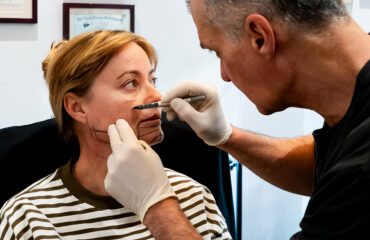
Careful preparation in the week before tear trough filler, particularly avoiding blood-thinning substances and timing your appointment well ahead of any event, is the most effective way to reduce bruising and swelling.
- Stop blood-thinning supplements including fish oil, vitamin E, and high-dose garlic at least seven to ten days before your appointment.
- Avoid aspirin, ibuprofen, and other non-steroidal anti-inflammatory medications for at least seven days unless medically prescribed.
- Cut out alcohol for at least 48 hours before treatment, as it dilates blood vessels and significantly increases bruising risk.
- Arnica, taken orally before and after treatment, is widely used to reduce bruising severity and speed recovery.
- Book tear trough filler at least three to four weeks before a wedding, event, or photoshoot to allow full resolution of swelling.
To prepare for tear trough filler and reduce bruising, avoid blood-thinning medications, alcohol, and supplements such as fish oil, vitamin E, and aspirin for at least seven to ten days beforehand. Book your appointment at least three to four weeks before any major event to allow adequate time for swelling and bruising to resolve.
How to Prepare for Tear Trough Filler and Reduce Bruising
The under-eye area is one of the most technically demanding sites for dermal filler, and it is also one of the most unforgiving when preparation is overlooked. A small bruise beneath a thin, translucent lower eyelid is far more visible than one on the cheek or lip, and it takes longer to fade. The good news is that much of your bruising risk is within your control in the days leading up to your appointment. Preparing carefully for tear trough filler reduces downtime, supports faster healing, and means you are far less likely to be cancelling plans or reaching for concealer a week later.
—
What to Stop Taking Before Tear Trough Filler to Reduce Bruising
Bruising after filler happens when a needle or cannula disrupts a small blood vessel beneath the skin. Your body’s clotting response normally limits how much blood escapes into the surrounding tissue. Anything that slows that clotting process makes bruising more likely and more pronounced.
Medications That Increase Bruising Risk
Non-steroidal anti-inflammatory medications, including ibuprofen and aspirin, inhibit platelet function. Platelets are the cells responsible for forming the initial clot at an injured vessel. When platelet function is reduced, bruising spreads more easily. Stop ibuprofen at least seven days before your appointment. Never stop prescribed aspirin without speaking to your cardiologist or GP first. If you take daily low-dose aspirin for cardiovascular protection, inform your practitioner at your consultation so the approach can be adapted. The risk of stopping a cardiac medication almost always outweighs the cosmetic benefit of reduced bruising.
Supplements to Avoid Before Under Eye Filler
Several commonly used supplements have meaningful blood-thinning properties. Fish oil, vitamin E, high-dose garlic, ginkgo biloba, and St John’s Wort all reduce platelet aggregation to varying degrees. High-dose vitamin C can also have a mild effect. Stop these seven to ten days before your appointment and resume a few days after treatment, once any bruising has begun to settle. If you are unsure whether a supplement you take belongs on this list, bring it up during your pre-treatment consultation.
Why Alcohol Before Filler Makes Bruising Worse
Alcohol causes vasodilation, meaning it widens blood vessels and increases blood flow to the skin. At the injection site, this translates directly into a higher likelihood of bruising and a more pronounced outcome if bruising does occur. Avoid alcohol for at least 48 hours before your appointment. Many practitioners also recommend avoiding it for 24 hours afterwards, whilst the injection sites are still settling. This is a straightforward step that makes a real difference to your recovery.
—
How to Use Arnica and Other Strategies to Minimise Swelling After Tear Trough Filler
Stopping blood-thinning substances before treatment reduces the likelihood of bruising. The strategies in this section support your recovery once treatment has taken place.
Does Arnica Actually Work for Filler Bruising?
Oral arnica montana is widely used after filler treatments, and clinical experience suggests it can help bruising resolve more quickly once it has appeared. It should not be taken before your appointment, however. Arnica has a mild blood-thinning effect, so taking it beforehand can increase bruising rather than reduce it, which places it alongside the supplements covered above. Begin oral arnica only after treatment and continue for several days while any bruising settles. Topical arnica gel applied gently around the area afterwards may offer additional benefit. Arnica helps recovery once bruising has occurred, but it is not a substitute for the steps that lower your risk in the first place: stopping blood-thinning medications and supplements, avoiding alcohol, and the on-the-day habits below.
On-the-Day Habits That Support Faster Healing
Arrive at your appointment with clean skin, free of makeup. Eat a light meal beforehand to keep your blood sugar stable, as low blood sugar can increase sensitivity and make the experience less comfortable. Stay well hydrated in the days leading up to treatment, since good tissue hydration supports healing. Avoid vigorous exercise on the day of your appointment, as elevated heart rate and increased blood pressure can worsen bruising at injection sites. After treatment, applying a cool compress gently to the area for short intervals during the first few hours can help reduce swelling. Sleep with your head slightly elevated on the first night to minimise fluid pooling beneath the eyes.
—
How to Time Tear Trough Filler Before a Wedding or Special Event
Timing is one of the most common areas where preparation for tear trough filler goes wrong. Many people underestimate how much recovery time the under-eye area needs compared to other filler sites.
Why the Under-Eye Area Needs More Recovery Time Than Other Filler Sites
The skin beneath the eye is amongst the thinnest on the face. There is very little subcutaneous tissue to absorb swelling, which means even modest post-treatment oedema is visible. Bruising in this area is also more noticeable due to the contrast against lighter skin and the natural shadowing of the orbital region. Whilst many people see swelling resolve within ten to fourteen days, individual variation is significant. Factors including skin laxity, the volume placed, your personal healing response, and whether this is your first treatment all influence how quickly the area settles.
What a Realistic Tear Trough Filler Timeline Looks Like
Book tear trough filler at least three to four weeks before a wedding, photoshoot, or significant event. If this is your first time having under-eye filler, four weeks is the minimum buffer worth building in, since you cannot know in advance how your body will respond. In the first 48 to 72 hours, expect some swelling and potentially mild bruising. By day seven to ten, most swelling has reduced substantially. By weeks two to three, the filler has typically settled into its final position and the outcome is visible. The four-week window also allows time for a brief review appointment if any minor asymmetry needs addressing. Planning ahead removes the anxiety of a tight timeline and allows you to attend your event feeling confident rather than still managing recovery.
—
Frequently Asked Questions
How many days before tear trough filler should I stop taking ibuprofen?
Stop ibuprofen and other non-steroidal anti-inflammatory medications at least seven days before your appointment. These medications inhibit platelet function, which means your blood takes longer to clot at the injection site and bruising becomes more likely. If you take ibuprofen for a medical condition, speak to your prescribing doctor before stopping it.
Can I take arnica before tear trough filler to prevent bruising?
No. Arnica has a mild blood-thinning effect, so taking it before treatment can increase bruising rather than prevent it. Use it after your appointment instead, where oral arnica may help any bruising resolve more quickly, supported by topical arnica gel applied gently around the area. Begin it once treatment is done and continue for several days while the bruising settles.
How long before a wedding should I get tear trough filler?
Book tear trough filler at least three to four weeks before a wedding or major event. The under-eye area is particularly prone to swelling and bruising due to the delicate, thin skin in that region. If this is your first time having under-eye filler, four weeks is the minimum buffer to consider.
Does alcohol really affect bruising after filler?
Yes. Alcohol causes vasodilation, widening blood vessels and increasing blood flow to the skin, which makes bruising at the injection site more likely and often more pronounced. Avoid alcohol for at least 48 hours before your appointment, and for 24 hours afterwards.
Which supplements should I stop taking before under eye filler?
Pause fish oil, vitamin E, high-dose vitamin C, garlic supplements, ginkgo biloba, Arnica, and St John’s Wort seven to ten days before your appointment. All have blood-thinning properties to varying degrees. Resume a few days after treatment once any bruising has begun to settle.
Is it safe to have tear trough filler if I take aspirin daily for my heart?
Never stop prescribed aspirin without speaking to your cardiologist or GP first. Inform your practitioner of all medications at your consultation so the approach can be adapted accordingly.
What should I expect on the day of my tear trough filler appointment?
Arrive with clean skin, eat a light meal, and stay well hydrated. Avoid vigorous exercise on the day of treatment. Your practitioner will assess the area carefully before proceeding, and the treatment typically takes around 30 to 45 minutes including preparation and aftercare discussion.
—
Preparing carefully for tear trough filler is not complicated, but it does require planning ahead. If you would like to discuss whether under-eye hyaluronic acid treatment is appropriate for your concerns, book a detailed assessment at Dr Alek Nikolic’s practice. Every treatment begins with a careful evaluation of your anatomy and skin health before any intervention is considered.
Related Articles
- Why Hyaluronic Acid Is the Preferred Choice for Tear Trough and Eye Rejuvenation
– Related cluster article - Managing Tear Trough Filler Complications: Recognition, Treatment, and Prevention
– Related cluster article - understanding under-eye hollows and whether tear trough filler is appropriate for you
– The parent pillar covers the anatomy of under-eye hollows, candidacy assessment, and how tear trough filler works at a broader level. Linking here gives readers the foundational context before this article explores the specific properties of hyaluronic acid in depth.