botulinum-toxin-type-a-medical-aesthetic-approach-assessment-botulinum-toxin-filler-explained
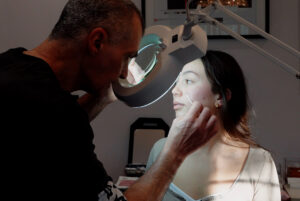
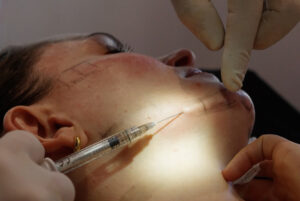
Medical aesthetic treatment begins with a comprehensive facial assessment where qualified doctors analyse facial anatomy, skin quality, muscle movement and ageing patterns. This assessment informs a personalised treatment plan combining botulinum toxin for dynamic lines and dermal fillers for volume restoration, ensuring natural-looking results tailored to individual facial structure.
Why-Pigmentation-Treatment-Works-Best-in-Winter
Pigmentation treatment works best in winter because reduced UV exposure minimises the risk of post-inflammatory hyperpigmentation and allows treated skin to heal without sun-induced melanin activation. Winter conditions enable deeper, more effective treatments like IPL and chemical peels with significantly better outcomes and lower complication rates.
IPL-for-Pigmentation-What-It-Treats,-How-It-Works,-and-What-to-Expect
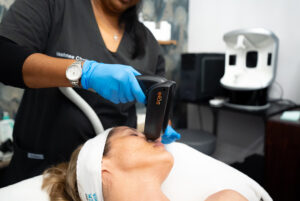
IPL treats pigmentation by delivering specific wavelengths of light that target melanin clusters beneath the skin's surface. The melanin absorbs this light energy, heats up, and fragments into smaller particles that the body naturally eliminates through the lymphatic system over 7-14 days, gradually lightening sun spots, age spots, and uneven skin tone.
Chemical-Peels-and-Dermapen-with-Tranexamic-Acid-for-Pigmentation-Correction
Deeper chemical peels (TCA 20-35%) and Dermapen microneedling with tranexamic acid correct sun-damage pigmentation by targeting melanin deposits in the dermal layer. These treatments address melasma, solar lentigines, and post-inflammatory hyperpigmentation that superficial treatments cannot reach, requiring controlled injury and precise recovery protocols.
TOP