tracking-pigmentation-treatment-progress-protocol
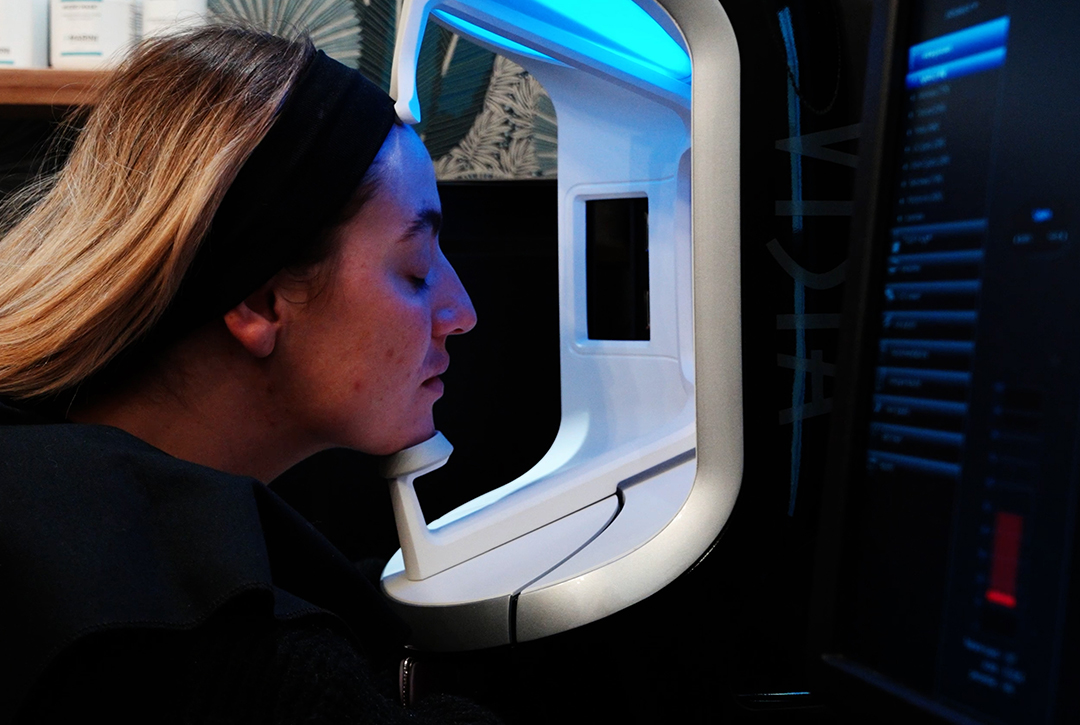
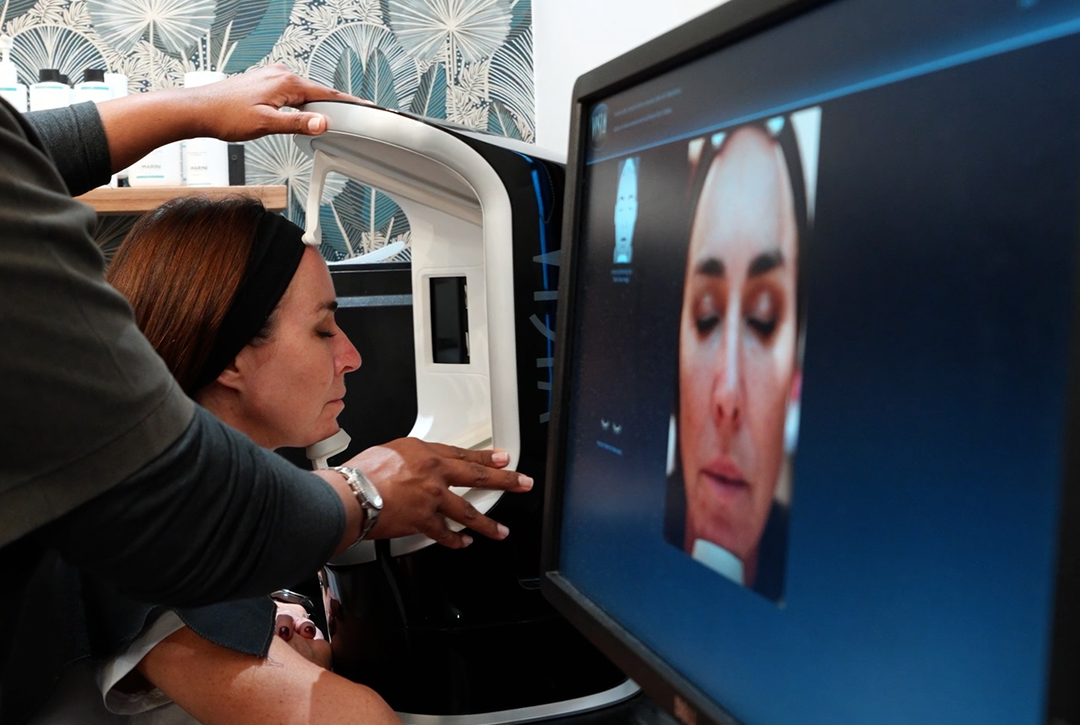
Pigmentation treatment progress is rarely linear. Genuine improvement in melasma typically becomes measurable after eight to twelve weeks, with meaningful change often visible only at the three to six month mark. Clinical tools such as VISIA imaging capture subsurface changes that the naked eye misses, making structured check-ins essential for accurate progress assessment.
hyperpigmentation-melasma-stubborn-pigmentation-treatment-protocol
Melasma is a chronic, hormonally influenced pigmentation condition that cannot be resolved by a single product or treatment. Lasting improvement requires a layered protocol combining skin assessment, targeted peels, microneedling with depigmentation solutions, strict UV avoidance, and ongoing maintenance, tailored to your specific pigmentation type and triggers.
dermal-fillers-how-dermal-fillers-restore-facial-structure
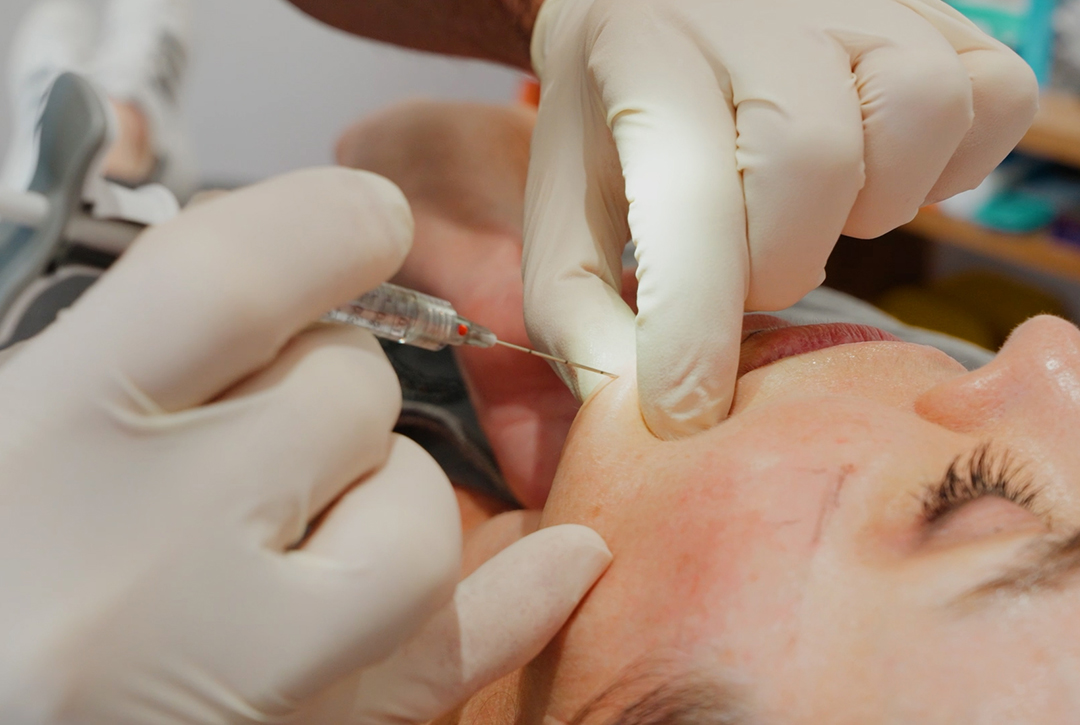
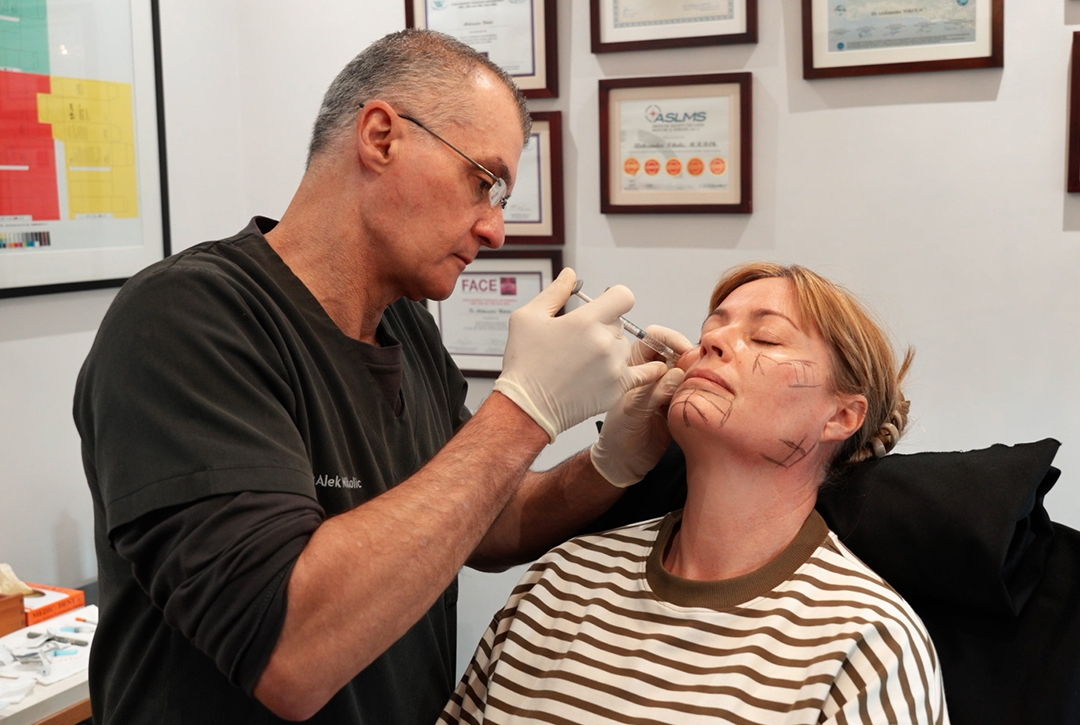
Dermal fillers restore facial structure by addressing the underlying causes of ageing: bone remodelling, fat pad migration, and soft tissue descent. Rather than simply adding volume, structural filler treatment repositions support, restores facial scaffolding, and creates natural enhancement that reflects how the face actually changes over time.
dermal-fillers-realistic-expectations-dermal-filler-results
Dermal filler results typically emerge over two to four weeks as initial swelling settles and hyaluronic acid integrates with surrounding tissue. Longevity varies by treatment area, product choice, and individual metabolism, generally ranging from nine to eighteen months. Natural enhancement, not dramatic transformation, is the realistic and appropriate goal.
TOP