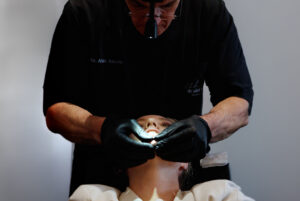
Polynucleotide injections: what the current evidence actually shows and the questions to ask before trying a trending treatment
Thursday, 09 July 2026
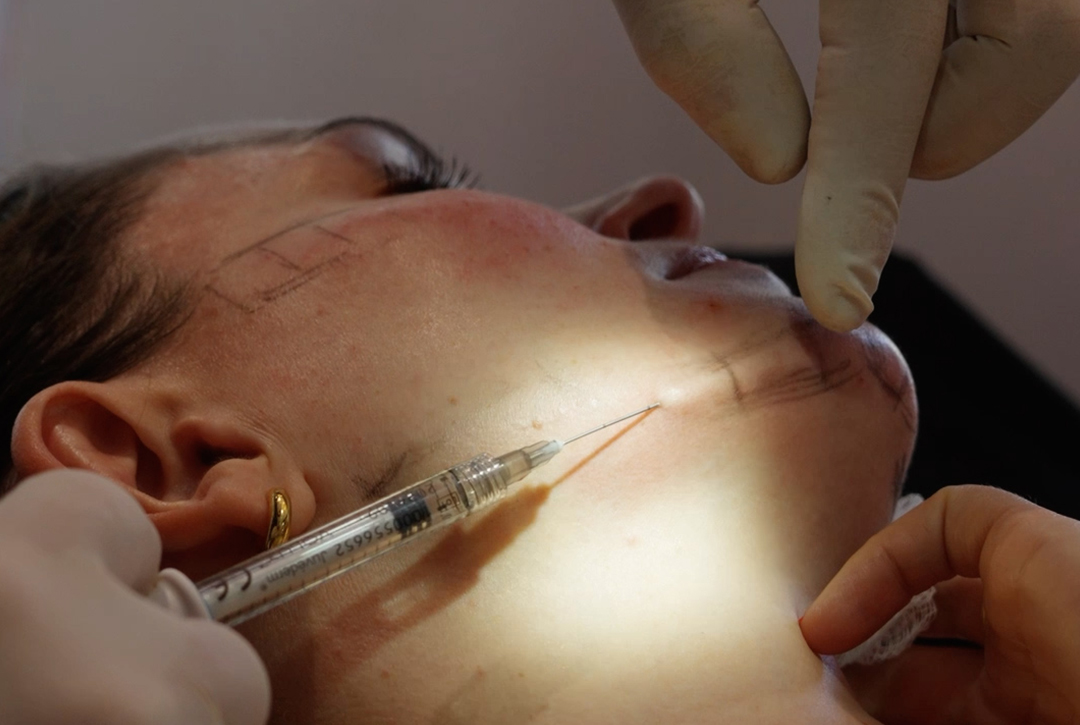
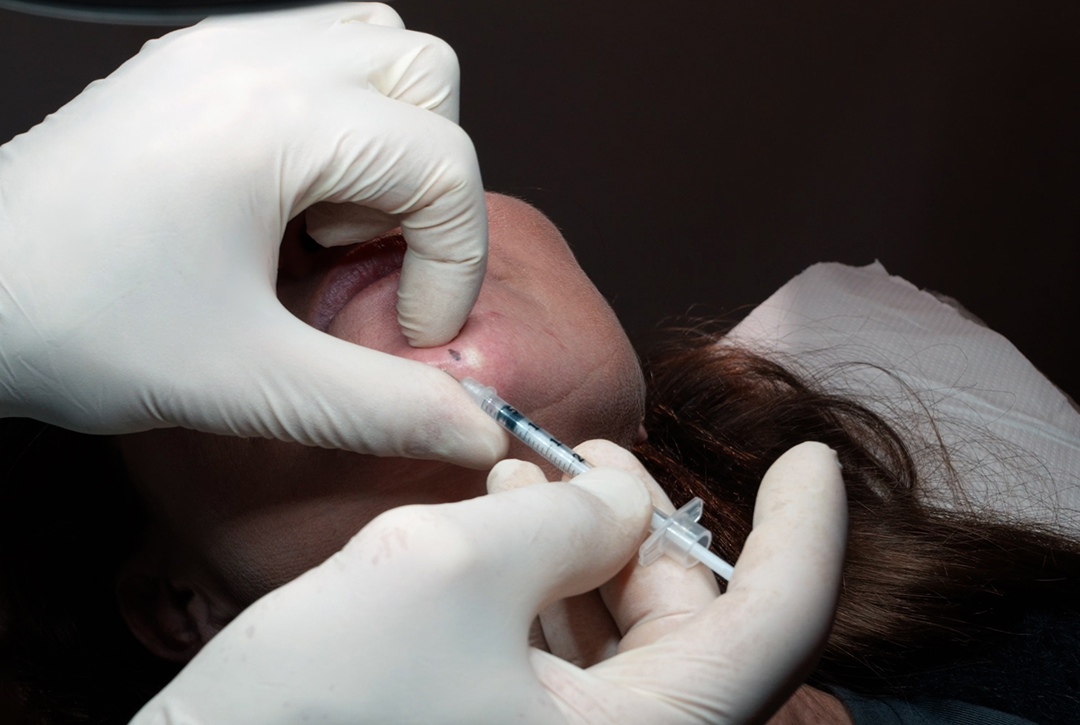
Polynucleotide injections are injectable treatments derived from purified DNA fragments that work by stimulating tissue repair and supporting the skin's natural regenerative processes. Clinical evidence suggests improvements in skin quality, hydration, and elasticity, though research is still maturing. Suitability depends on individual skin assessment rather than trend alone.
- Published in Regenerative Aesthetics
No Comments
Regenerative Aesthetics Explained: Which Collagen-Stimulating Treatments Are Evidence-Based and Which Are Still Unproven
Thursday, 09 July 2026
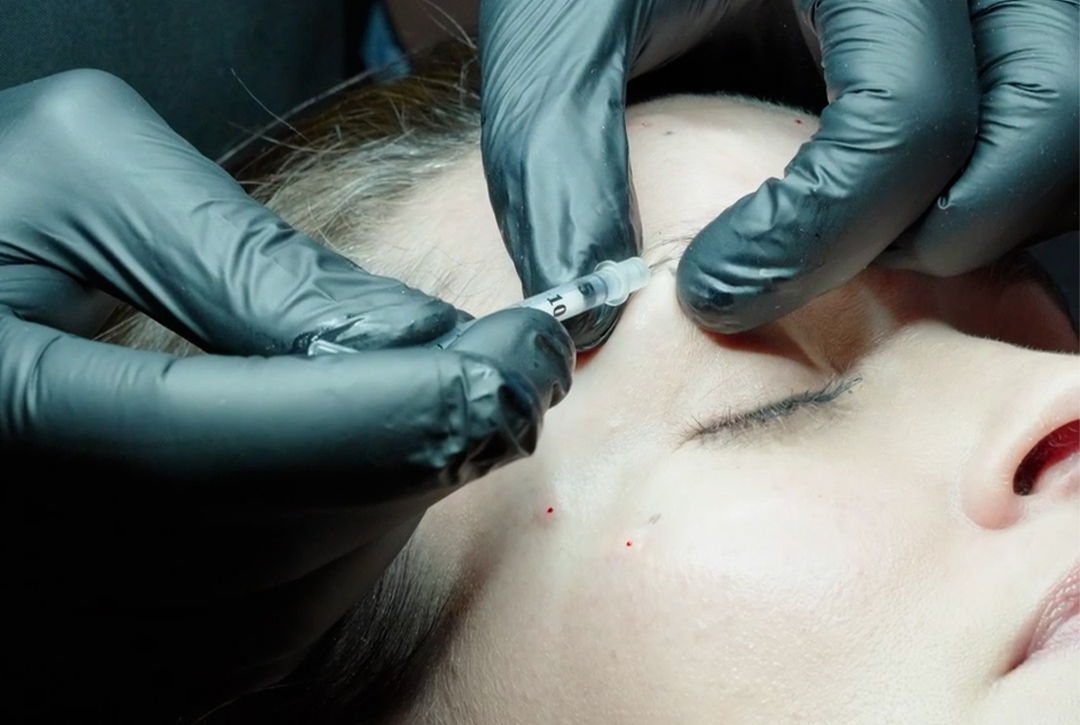
Regenerative aesthetics refers to treatments that stimulate the skin's own collagen and elastin production rather than simply filling or relaxing tissue. Evidence-based options include polynucleotides, hyaluronic acid skin boosters, calcium hydroxylapatite biostimulators, and medical-grade microneedling. Several newer modalities, including certain exosome therapies and growth factor serums, currently lack sufficient clinical data to support routine use.
- Published in Regenerative Aesthetics
Tracking Pigmentation Over a Treatment Protocol: What Progress Actually Looks Like
Wednesday, 08 July 2026
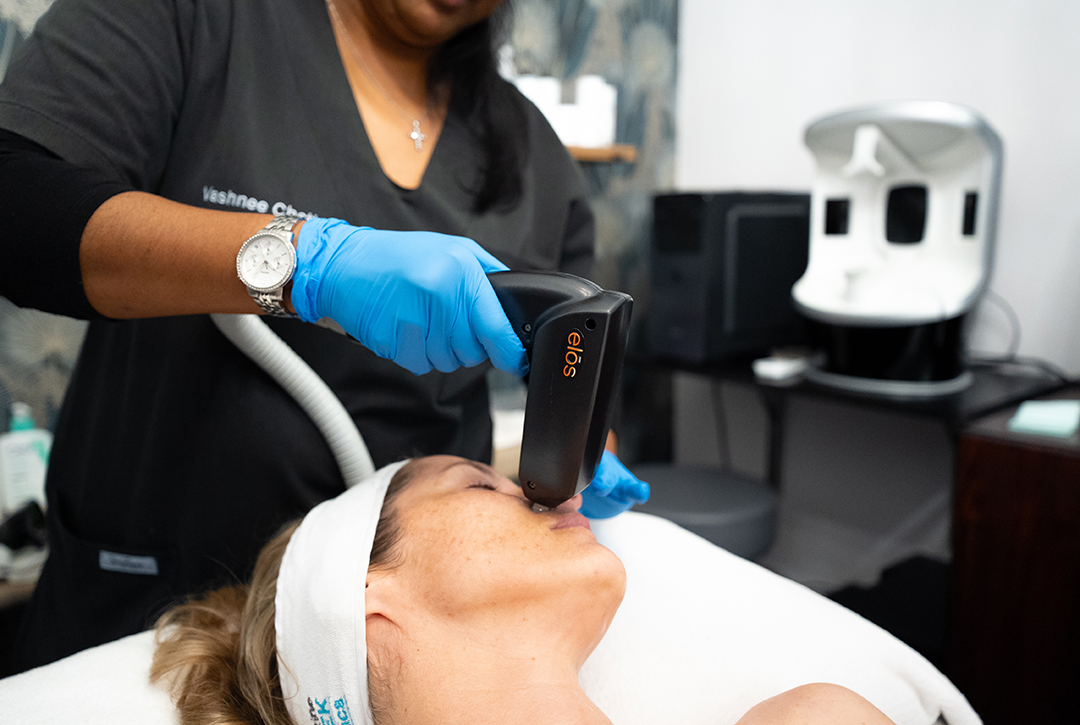
Pigmentation treatment progress is rarely linear. Genuine improvement in melasma typically becomes measurable after eight to twelve weeks, with meaningful change often visible only at the three to six month mark. Clinical tools such as VISIA imaging capture subsurface changes that the naked eye misses, making structured check-ins essential for accurate progress assessment.
- Published in Hyperpigmentation, Skin Concerns