dermal-fillers-prepare-tear-trough-filler-reduce-bruising
To prepare for tear trough filler and reduce bruising, avoid blood-thinning medications, alcohol, and supplements such as fish oil, vitamin E, and aspirin for at least seven to ten days beforehand. Book your appointment at least three to four weeks before any major event to allow adequate time for swelling and bruising to resolve.
dermal-fillers-hyaluronic-acid-eye-rejuvenation-tear-trough
Hyaluronic acid is favoured for tear trough and eye rejuvenation because it occurs naturally in the body, attracts and retains moisture, integrates gently with delicate periorbital tissue, and can be dissolved with an enzyme called hyaluronidase if adjustment is needed. These properties make it uniquely suited to the under-eye area.
dermal-fillers-managing-tear-trough-filler-complications
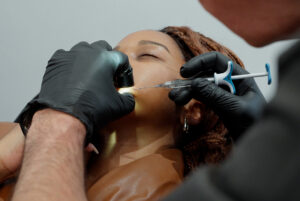
Tear trough filler complications include the Tyndall effect (a bluish discolouration), persistent swelling, visible lumps, asymmetry, and, in rare cases, vascular occlusion. Most complications are manageable when identified early. Hyaluronic acid-based fillers can be dissolved with hyaluronidase, making prompt assessment by a medically qualified practitioner the most important first step.
dermal-fillers-tear-trough-filler-under-eye-hollows
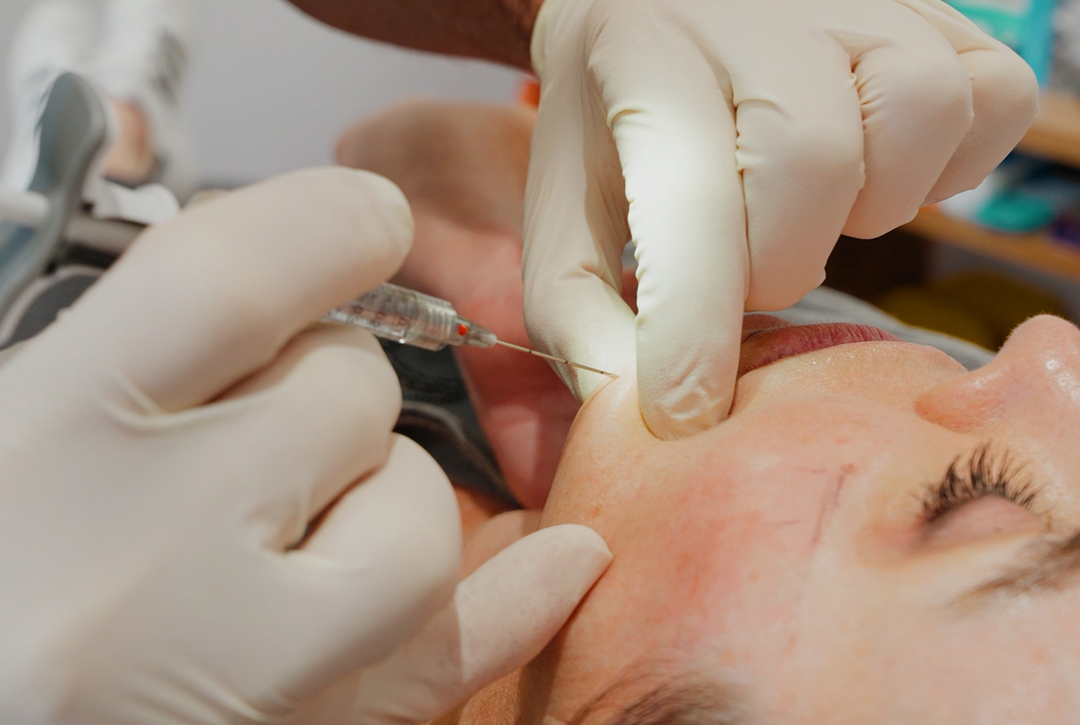
Under-eye hollows form when volume is lost in the tear trough area, creating a shadowed depression between the lower eyelid and cheek. Dermal filler can address this, but suitability depends on skin quality, anatomy, and the underlying cause. A careful assessment should always precede treatment to ensure safety and appropriate outcomes.
TOP